
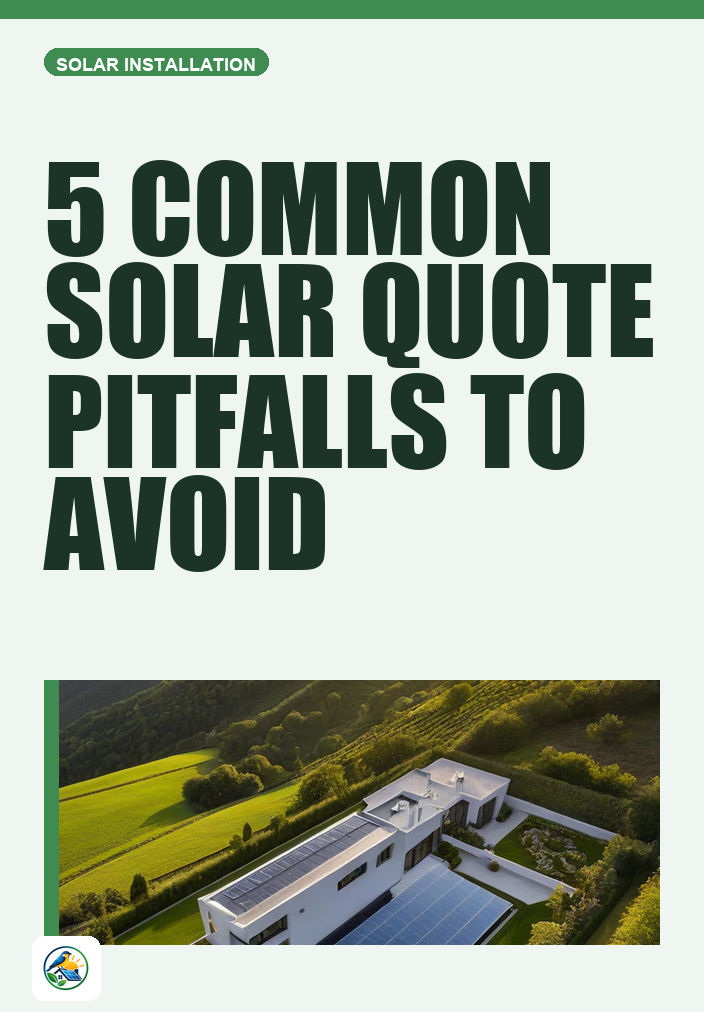
Understanding Common Mistakes When Requesting Multiple Solar Quotes
As more homeowners consider installing solar panels, the process of obtaining multiple quotes has become a common practice. While seeking quotes from various installers can provide valuable insights and help you make a more informed decision, there are several pitfalls that many homeowners inadvertently fall into. Understanding these common mistakes will help you navigate the solar installation landscape more effectively.
Failing to Define Your Goals and Needs
One of the first mistakes homeowners make is not clearly defining their goals for solar energy. Are you looking to significantly reduce your energy bills, increase your energy independence, or perhaps prepare for future energy needs with a battery backup system? Identifying your primary objectives will guide you in selecting the right system and help installers tailor their quotes to meet your specific needs.
Consider Your Energy Consumption
- Review past utility bills to understand your energy usage patterns.
- Consider future changes, such as adding electric vehicles or home expansion.
Not Comparing Apples to Apples
When requesting quotes, it’s crucial to ensure that you are comparing similar products and services. Different installers may offer various panel brands, inverter types, and warranties. Without standardizing your requests, you could end up with disparate quotes that are difficult to compare meaningfully.
Checklist for Comparison
- Type and brand of solar panels
- Type of inverters (string, micro, or power optimizers)
- Warranties on equipment and workmanship
- Inclusion of monitoring systems
- Estimated energy production and performance metrics
Overlooking Site-Specific Considerations
Your home’s unique characteristics can significantly influence the effectiveness and cost of a solar installation. Failing to take these factors into account can lead to unrealistic expectations and misinformed decisions.
Key Site Considerations
- Roof Condition: An old or damaged roof may require repairs before installing solar panels.
- Shade Analysis: Trees and nearby structures can impact solar production. Have a shade assessment done.
- Orientation and Tilt: South-facing roofs with a proper tilt typically produce more energy.
- Space Availability: Ensure there is enough roof space for the desired system size.
Ignoring Local Regulations and Incentives
Solar energy systems are subject to local regulations, permitting processes, and available incentives, which can vary significantly from one region to another. Homeowners often overlook these critical elements, leading to confusion and unexpected costs.
Understanding Your Local Context
- Investigate local permitting requirements for solar installations.
- Check for available incentives, rebates, or tax credits, and confirm their current status.
- Understand net metering policies in your area, which can affect your energy savings.
Neglecting to Ask Questions
Once you receive quotes, many homeowners make the mistake of not asking enough questions. Engaging with potential installers can help clarify uncertainties and ensure that their offerings align with your expectations.
Essential Questions to Consider
- What is included in your installation quote? Are there any hidden fees?
- What is the timeline for installation and interconnection?
- What financing options do you offer, and what are the terms?
- How will you handle maintenance and warranty claims?
Focusing Solely on Price
While cost is undoubtedly an important factor, making a decision based solely on the lowest price can lead to compromises in quality and service. A less expensive installation might use inferior products or lack proper warranties, which could cost more in the long run.
Evaluating Value Over Price
- Look for comprehensive warranties that cover both equipment and installation.
- Consider the reputation and experience of the installer.
- Assess the long-term value of the components being offered.
Not Considering Future Energy Needs
Many homeowners fail to account for future changes in their energy needs when selecting a solar system. For instance, if you plan to purchase an electric vehicle or add appliances that require more power, it’s wise to factor this into your solar design.
Planning for the Future
- Estimate how your energy consumption might change in the next 5-10 years.
- Consider whether you may want to add battery storage later on.
Overlooking the Importance of Professional Assessment
While it’s beneficial to gather quotes, it’s equally important to have a professional assessment of your home. Homeowners sometimes skip this step, relying solely on online calculators or general estimates. A thorough site evaluation by a qualified installer can uncover unique conditions that may affect system performance and installation.
Next Steps: Making an Informed Decision
Obtaining multiple solar quotes is an excellent way to explore your options, but it’s vital to approach the process thoughtfully. By avoiding common mistakes—such as failing to define your goals, overlooking local regulations, and neglecting to ask questions—you can make a more informed decision about solar energy for your home.
Once you have gathered quotes, compare them side by side, focusing on the details like equipment quality, warranties, and the overall value offered. This careful approach will help you choose a system that not only meets your current needs but also accommodates your future energy goals.
Remember, solar energy is not a one-size-fits-all solution. Take the time to evaluate your options, consult with qualified installers, and confirm local incentives and regulations to move forward confidently with your solar journey.


















