
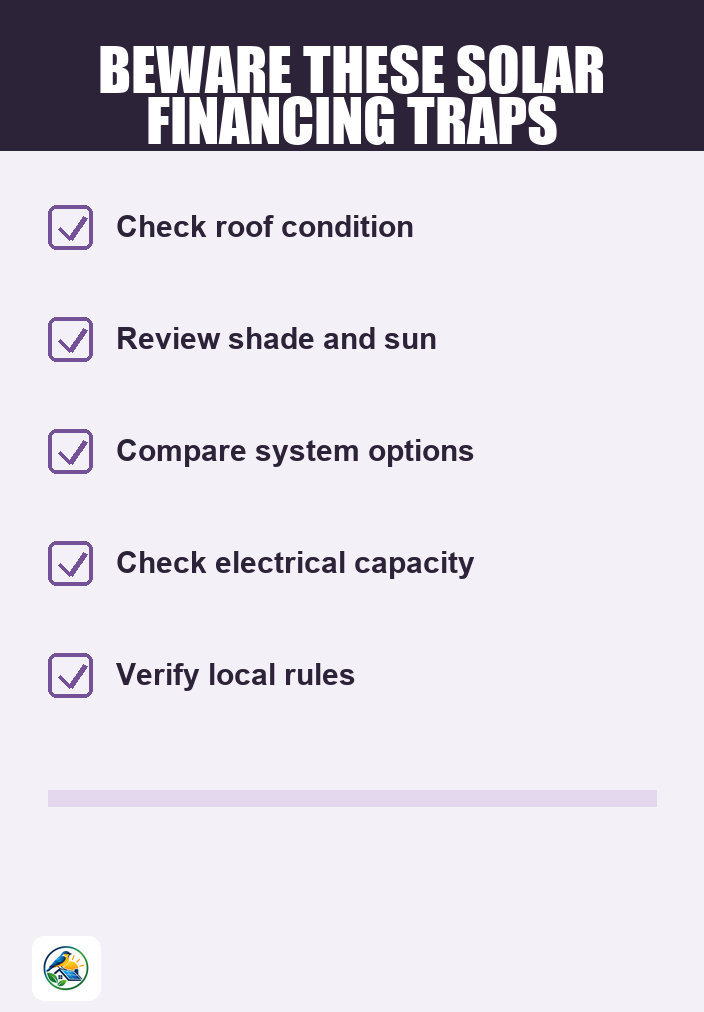
Common Pitfalls Homeowners Face When Financing Solar Installation for a 2000 Square Foot House
As homeowners increasingly consider solar energy as a viable option for powering their homes, financing the installation of a solar system can be a complex process. For a typical 2000 square foot house, the decision to go solar involves several financial considerations that can lead to pitfalls if not carefully navigated. Understanding these common challenges can help you make informed choices, ensuring that your solar investment is both beneficial and practical.
Underestimating Upfront Costs
One of the most significant pitfalls homeowners face is underestimating the initial costs associated with solar installation. While solar technology has become more affordable over the years, the upfront investment can still be substantial. For a 2000 square foot house, you might need to budget for:
- Solar panels
- Inverters
- Mounting hardware
- Electrical upgrades
- Installation labor
- Permitting fees
Each of these components can vary significantly in cost based on location, brand, and system complexity. Homeowners should obtain multiple quotes from qualified installers to ensure they have a comprehensive understanding of the total investment required.
Neglecting Long-Term Maintenance Costs
While solar panels generally require minimal maintenance, it’s essential to factor in long-term costs. Homeowners often overlook expenses such as:
- Cleaning and upkeep of solar panels
- Inverter replacement (typically every 5-10 years)
- Battery maintenance (if applicable)
- Roof repairs or replacements that may affect the solar system
Understanding these costs early on can prevent surprises down the road. Regular maintenance is crucial to ensure your system operates efficiently and remains in good condition.
Choosing the Wrong Financing Option
Homeowners have several financing options available, including cash purchases, solar loans, leases, and power purchase agreements (PPAs). Each option has its pros and cons:
- Cash Purchase: While this option offers the highest potential savings over the system’s lifespan, not everyone can afford to pay upfront.
- Solar Loans: These allow homeowners to spread the cost over time but come with interest rates that can increase overall expenses.
- Leases and PPAs: These options require little to no upfront cost but often do not allow homeowners to benefit from tax incentives or rebates.
Carefully evaluating the details of each financing option is essential. Homeowners should consider their financial situation, how long they plan to stay in their home, and whether they want ownership of the solar system.
Ignoring Energy Needs and System Sizing
Properly sizing a solar system is crucial and often overlooked. Many homeowners may assume that a single quote is sufficient to determine the right system size. However, factors such as:
- Your average energy consumption
- Seasonal variations in energy use
- Local climate conditions
- Roof orientation and shading
must all be considered for an accurate estimate. A professional installer can perform a thorough energy audit and help you understand how much energy you need to offset with solar power.
Overlooking Local Incentives and Regulations
Federal and state incentives can significantly impact the overall cost of solar installation. However, these incentives vary by location and can change periodically. Homeowners often fail to verify the following:
- Current federal and state tax credits
- Local utility rebates
- Net metering rules
- Permitting and interconnection requirements
Failing to understand local regulations and incentives can lead to unanticipated expenses or delays in the installation process. Always consult local resources or a qualified installer for the most current information.
Not Considering System Lifespan and Performance
Solar systems typically last 25 years or more, but their performance can decline over time. Homeowners often underestimate how performance degradation can affect energy output, thus impacting long-term savings. Factors influencing system performance include:
- Quality of components
- Installation quality
- Environmental conditions (e.g., dust, shading)
When reviewing quotes, consider warranties and performance guarantees to protect your investment. It’s advisable to choose reputable installers who offer comprehensive warranties on both equipment and installation.
Failing to Compare Quotes Thoroughly
Many homeowners make the mistake of accepting the first quote they receive without thoroughly comparing multiple estimates. To effectively evaluate quotes, you should:
- Examine the equipment specifications and warranties
- Understand the financing terms
- Consider the experience and reputation of the installer
- Assess the projected timeline for installation
Getting at least three itemized quotes from different installers allows you to make an informed decision and potentially negotiate better terms.
Next Steps for Homeowners
Financing solar installation for a 2000 square foot house involves navigating various complexities. By understanding common pitfalls and taking proactive steps, you can make a sound investment in solar energy. Start by:
- Researching reliable solar installers in your area
- Requesting multiple quotes with itemized breakdowns
- Verifying current incentives, utility rules, and financing options
- Conducting an energy audit to better understand your needs
With careful planning and thorough research, you can make an informed decision about whether solar is the right fit for your home and financial situation.


















