
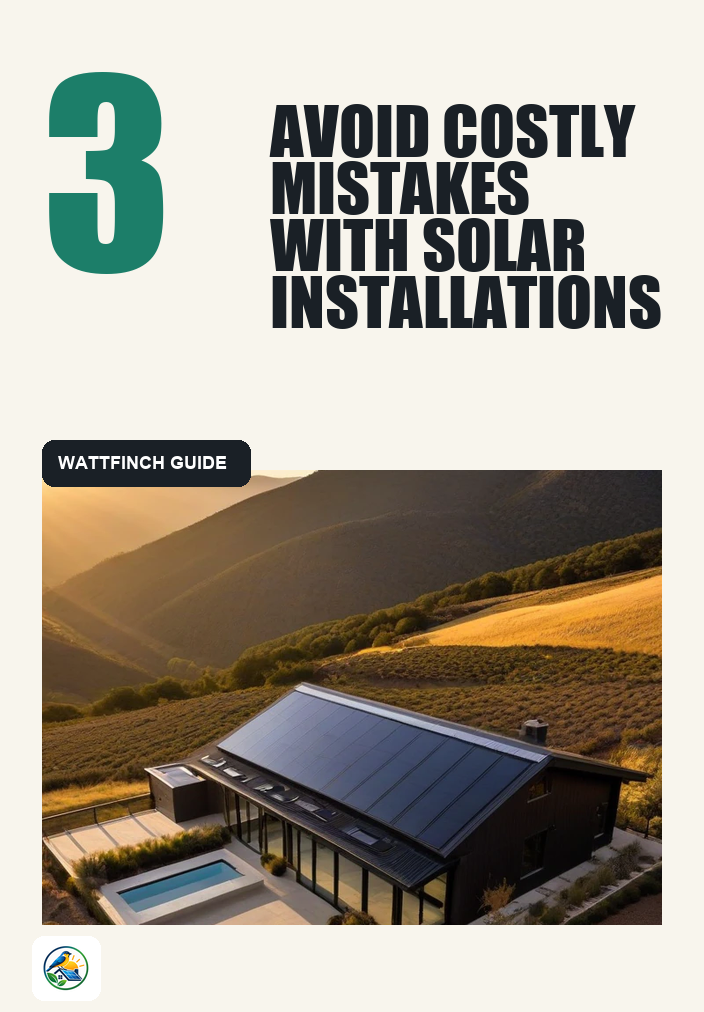
Understanding the Unique Challenges of Two-Story Homes
Installing solar panels on a two-story home presents unique challenges and considerations compared to single-story residences. Homeowners need to be aware of certain pitfalls that can complicate the installation process. Recognizing these issues in advance can help you make informed decisions when considering a solar energy system.
1. Assessing Roof Condition and Structure
Before proceeding with solar panel installation, evaluating your roof’s condition is crucial. Two-story homes often have more complex roof structures, which can influence the installation process.
Check for Damage
- Inspect for Leaks: Look for water stains, sagging, or cracked shingles that might indicate leaks or structural damage.
- Consider Age: If your roof is nearing the end of its lifespan, it may be more cost-effective to replace it before installing solar panels.
- Roof Material: Different roofing materials can affect installation techniques and costs. Metal roofs, for example, may require specific mounting systems.
Evaluate Roof Pitch
The pitch of your roof can impact both the installation complexity and the efficiency of the solar system. A steep roof may require additional safety measures during installation, while a flatter roof might not provide optimal sun exposure.
2. Navigating Shade and Orientation Issues
Two-story homes may face unique shading challenges due to trees, nearby buildings, or the second story itself blocking sunlight. Understanding how shade impacts solar efficiency is vital.
Conduct a Shade Analysis
- Seasonal Changes: Assess how shade patterns change with the seasons, as trees may block sunlight in summer but not in winter.
- Solar Pathway: Determine the sun’s path over your property throughout the day to identify ideal panel placement.
Optimize Panel Orientation
Solar panels should ideally face south to maximize sun exposure. However, the orientation can vary based on your roof’s layout and the surrounding environment. A professional installer can help determine the best configuration for your home.
3. Understanding Electrical System Upgrades
When installing solar panels, it’s essential to consider your home’s electrical system. Two-story homes may have more complex wiring setups, which could necessitate upgrades to accommodate solar energy.
Evaluate Electrical Capacity
- Current Load: Analyze your existing electrical load to determine if it can handle the additional load from solar panels.
- Panel Size: Larger systems may require electrical service upgrades, which can increase installation costs.
4. Permitting and Local Regulations
Each locality has different regulations regarding solar panel installations. Two-story homes may be subject to additional zoning laws or building codes that could complicate the process.
Research Local Laws
- Setback Requirements: Some areas have rules about how far solar panels must be set back from property lines or the street.
- HOA Guidelines: If you live in a community with a homeowners association, check their regulations regarding solar installations.
5. Evaluating the Cost of Installation
While solar panel installations can provide long-term savings, the upfront costs can vary widely based on several factors, especially for two-story homes.
Consider Installation Costs
- Labor Complexity: Installing panels on a two-story roof may involve higher labor costs due to safety measures and equipment needed.
- Structural Reinforcements: If your roof requires reinforcements to support the panels, this can add to the overall cost.
Get Multiple Quotes
Because costs can widely vary, obtaining multiple itemized quotes from qualified installers will help you understand the full scope of potential expenses. Ensure each quote includes detailed information about labor, materials, and any necessary upgrades.
6. Considering Battery Backup Options
If you’re contemplating adding a home battery to your solar system, it’s vital to understand how this integration works with a two-story home.
Battery Placement
- Space Availability: Two-story homes may have limited space for battery installation, especially if you want to keep it indoors.
- Temperature Control: Batteries need a climate-controlled space for optimal performance. Consider where they will be installed in relation to your home’s temperature fluctuations.
7. Maintenance and Weather Considerations
Two-story homes may be more challenging to maintain when it comes to solar panels. It’s essential to consider your climate and the associated weather conditions for optimal performance.
Regular Maintenance Needs
- Access for Cleaning: Ensure that you can safely access the panels for regular cleaning and maintenance, especially if your home is tall.
- Weather Resilience: Assess how local weather patterns, like heavy snow or high winds, could impact your solar system’s performance and maintenance needs.
Next Steps for Homeowners
Installing solar panels on a two-story home can be a rewarding investment, but it requires careful planning and consideration of various factors. Start by evaluating your roof condition, electrical system, and local regulations. Then, obtain multiple quotes from qualified installers to compare costs and options accurately.
With the right information and preparation, you can successfully navigate the installation process and enjoy the benefits of solar energy in your home.


















