
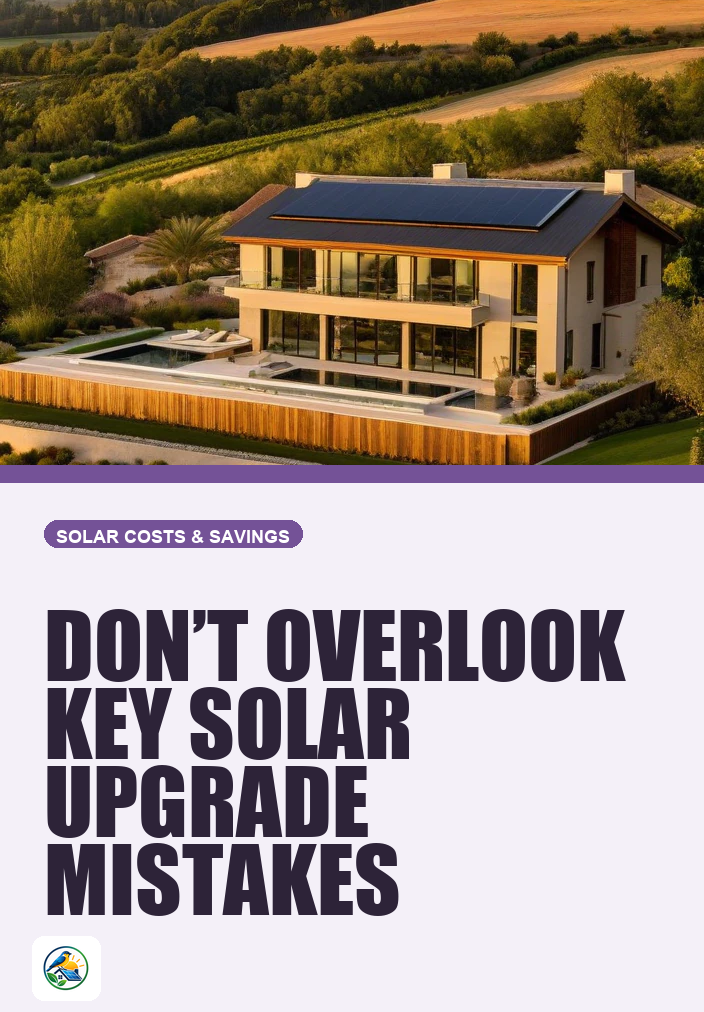
Understanding the Importance of Electrical Upgrades for Solar Installation
As more U.S. homeowners consider the transition to solar energy, many overlook a critical step: upgrading their electrical systems. This oversight can lead to safety risks, increased costs, and inefficiencies in energy production. Before making a decision, it’s vital to understand common mistakes homeowners make when upgrading electrical systems for solar installation.
Common Mistakes in Electrical Upgrades
When preparing for a solar installation, homeowners often encounter several pitfalls related to their existing electrical infrastructure. Here are some crucial mistakes to avoid:
1. Ignoring Electrical System Assessment
One of the first steps in preparing for solar installation is to assess your home’s current electrical system. Many homeowners neglect to do this, assuming their existing wiring and panels are sufficient. An outdated electrical system can lead to safety hazards and inefficiencies.
- Panel Age: If your electrical panel is over 20 years old, it may not handle the additional load from a solar system.
- Wiring Condition: Damaged or outdated wiring can pose fire risks and may not support modern solar technology.
2. Underestimating Power Requirements
Homeowners often fail to accurately calculate their power needs when considering solar energy. This miscalculation can lead to undersized systems that do not meet energy demands.
- Current Usage: Review your energy bills to determine your average monthly usage and peak demand.
- Future Needs: Consider future additions, like electric vehicles or home expansions, that may increase your energy consumption.
3. Skipping Professional Consultations
While DIY projects can be tempting, electrical upgrades are best left to professionals. Homeowners sometimes attempt upgrades without consulting qualified electricians or solar installers, which can lead to costly mistakes.
- Building Codes: Professionals understand local building codes and regulations, ensuring compliance and safety.
- Permitting Issues: Proper permits are crucial for solar installation, and professionals can help navigate this process.
4. Neglecting Compatibility with Solar Technology
Not all electrical systems are compatible with solar technology. Homeowners often overlook this compatibility, which can result in costly retrofits.
- Inverter Selection: Ensure your inverter is compatible with both your solar panels and electrical system.
- Battery Integration: If considering battery storage, verify that your electrical system can accommodate it.
5. Overlooking Safety Considerations
Safety should always be a priority when upgrading your electrical system. Homeowners sometimes prioritize cost over safety, which can lead to dangerous situations.
- Grounding Issues: Proper grounding is essential for safety and system efficiency.
- Overloaded Circuits: Upgrading without addressing circuit overloads can result in tripped breakers or electrical fires.
Evaluating Your Home’s Needs for Solar Installation
Before diving into electrical upgrades, assess your home’s specific needs and characteristics. Each home is unique, and certain factors will influence your solar system’s design and electrical requirements.
1. Roof Condition and Orientation
The condition and orientation of your roof affect solar panel efficiency. Ensure your roof is structurally sound and can support the weight of solar panels. Additionally, consider:
- Shade Analysis: Evaluate any trees or buildings that may cast shadows on your roof.
- Roof Orientation: South-facing roofs typically receive the most sunlight, which can impact system performance.
2. Local Climate and Weather Conditions
Climate will affect your solar system’s performance and longevity. Understand how your local weather conditions can impact energy production and maintenance needs.
- Snow and Ice: In colder climates, ensure your system can withstand heavy snowfall.
- Wind Loads: Homes in windy areas may require additional structural support for solar panels.
3. Future Plans for Your Home
Your future plans for your home should also influence your electrical upgrades. If you anticipate changes, consider how these will impact your electrical needs and solar installation.
- Home Expansion: If you plan to expand your home, factor in additional energy requirements.
- Electric Vehicles: Plan for electric vehicle charging stations if you intend to purchase an EV.
Next Steps: Getting Accurate Quotes and Assessments
Once you’ve evaluated your electrical system and considered your home’s unique needs, it’s time to gather quotes from qualified solar installers. Here are some practical steps:
- Itemized Quotes: Request detailed quotes that break down equipment, installation, and upgrade costs.
- Multiple Installers: Compare quotes from multiple installers to ensure you’re getting a fair deal.
- Professional Assessment: Consider hiring an electrician to assess your existing electrical system before solar installation.
In conclusion, upgrading your electrical system for solar installation requires careful consideration and planning. By avoiding common mistakes, homeowners can ensure a safer and more efficient transition to solar energy. Always consult qualified professionals to navigate the complexities of electrical upgrades and solar installations effectively.


















