
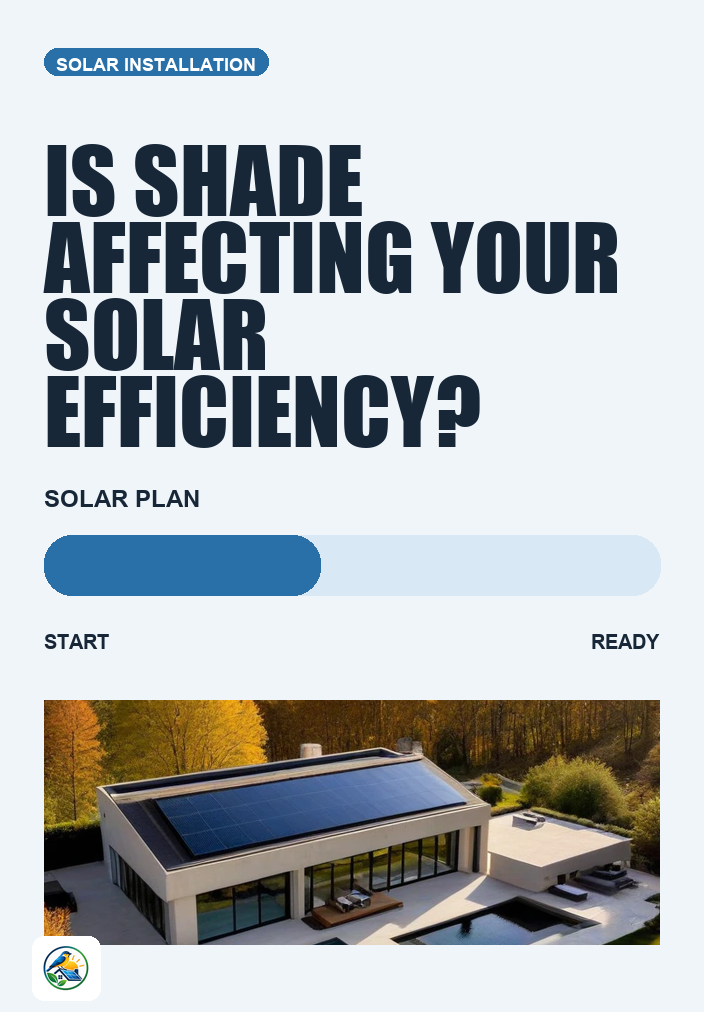
Understanding the Importance of Solar Panel Placement in Shaded Areas
When considering a solar panel installation, one of the most critical factors to evaluate is the placement of the panels, especially in homes with shaded areas. Shade can significantly affect a solar system’s efficiency and overall energy production. Therefore, understanding how shade impacts solar energy generation and the various options available is essential for homeowners looking to invest in a solar energy system.
How Shade Affects Solar Energy Production
Solar panels rely on sunlight to generate electricity. When panels are shaded, their ability to produce electricity diminishes. The extent of this reduction can vary based on several factors, including:
- Degree of Shade: The more extensive and denser the shade, the greater the impact on energy production.
- Time of Day: Shade can change throughout the day. Morning or late afternoon sun might be obstructed by trees or buildings, affecting output during peak hours.
- Panel Type: Some solar panels are designed to perform better in partial shade than others. Understanding your panel options can help mitigate the effects of shading.
Assessing Your Property for Shade
Before deciding on solar panel placement, it’s vital to assess your property for potential shading issues. Here are some practical steps to consider:
1. Evaluate Surrounding Trees and Structures
Take a walk around your property at different times of the day to observe how trees, buildings, and other structures cast shadows. Note which areas remain in full sun and which are consistently shaded.
2. Use Shade Analysis Tools
Some solar installers use tools like solar pathfinders or software to analyze shading on your roof. This analysis can provide a clearer picture of how much sunlight reaches your potential installation area throughout the year, helping you make informed decisions.
3. Consider Seasonal Changes
Be mindful of seasonal variations. Trees may have dense foliage in summer but be bare in winter, impacting how much sunlight your panels receive throughout the year. Consider how shade patterns may change with the seasons.
Options for Dealing with Shade
If you find that shading is a significant concern for your home, there are several strategies to mitigate its effects:
1. Optimizing Panel Placement
Work with a professional installer to identify areas of your roof that receive the most sunlight. This might involve placing panels on less shaded sections or utilizing different roof orientations to maximize exposure.
2. Installing Microinverters or Power Optimizers
Microinverters and power optimizers can help improve energy production in shaded conditions. These devices allow each panel to operate independently, ensuring that shade on one panel doesn’t affect the performance of others.
3. Tree Trimming or Removal
If feasible, consider trimming or removing trees that cause significant shading on your roof. However, this decision should be made cautiously, weighing the benefits against the ecological impact and aesthetic changes to your landscape.
4. Ground-Mounted Systems
In cases where rooftop placement is not optimal due to shading, a ground-mounted solar array might be a viable alternative. This option allows for better positioning away from shade and may provide more flexibility in terms of system size.
Other Considerations for Solar Installations
When planning a solar installation, shade is just one of many factors to account for. Here are additional considerations to keep in mind:
- Roof Condition: Ensure your roof is in good condition before installation. If it requires repairs or replacement, it’s best to address these issues beforehand.
- Orientation and Tilt: The direction and angle of your roof can influence energy production. South-facing roofs typically receive the most sunlight in the U.S.
- Utility Policies: Understand your local utility’s net-metering policies, as they can impact how you are compensated for excess energy produced by your solar panels.
- Battery and Backup Options: If you are considering a battery backup system, evaluate how shade might affect your overall energy consumption patterns and backup needs.
Next Steps for Homeowners
Deciding to install solar panels can be a significant investment, and understanding the nuances of shade and placement is crucial for maximizing your system’s performance. Here are some practical next steps:
- Conduct a Shade Assessment: Spend time evaluating your property and consider using professional tools for an accurate analysis.
- Consult with Qualified Installers: Reach out to multiple solar installers for quotes, and ask them to evaluate your home’s shading issues specifically.
- Compare Itemized Quotes: Review and compare the specifics of each quote, focusing on how they plan to address shading concerns and optimize your solar installation.
- Verify Local Incentives: Research current local incentives and rebates, and ensure you understand the implications for your installation.
By taking the time to assess shade concerns and understanding your options, you can make informed decisions that suit your home’s unique characteristics and energy needs. Solar energy has the potential to provide significant benefits, but careful planning is essential to ensure you get the most out of your investment.


















