
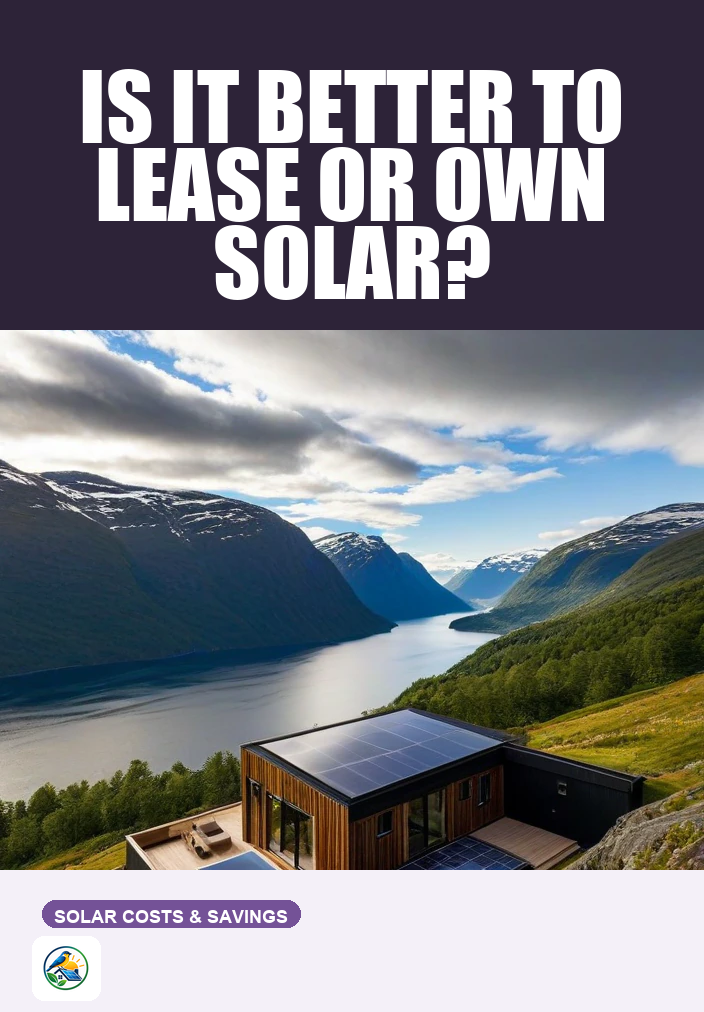
Understanding Your Solar Options: Leases vs. Owned Panels
As a homeowner considering a solar energy system, one of the most significant decisions you’ll face is whether to enter into a solar lease or purchase the panels outright. Both options have unique advantages and drawbacks that can impact your financial situation, energy independence, and overall satisfaction with your solar investment. This article aims to guide you through the considerations involved in making this choice, ensuring that you have the information needed to determine what fits your home and lifestyle best.
What Are Solar Leases and Owned Panels?
Before diving into the differences between solar leases and owned panels, let’s define each option:
- Solar Lease: In a solar lease arrangement, you pay a fixed monthly fee to use the solar energy system installed on your property. The solar provider retains ownership of the system and is responsible for maintenance and repairs. This option usually requires little to no upfront cost.
- Owned Panels: When you purchase solar panels, you own the system outright. This involves a larger upfront investment but allows you to benefit from any energy savings and incentives available. You’re also responsible for maintenance, although many installers offer warranties and service agreements.
Evaluating Your Financial Situation
One of the first considerations in choosing between a solar lease and owned panels is your financial situation. Here are some points to reflect on:
- Upfront Costs: If you have the capital to invest in purchasing solar panels, you might benefit from long-term savings. Conversely, if upfront costs are a barrier, a lease can provide an immediate solution with lower initial expenses.
- Monthly Payments: With a lease, you’ll have consistent monthly payments that can help with budgeting, while owned systems can reduce or eliminate your utility bills, depending on your energy consumption.
- Financing Options: If you choose to buy, consider your financing options. Loans can be available to cover the upfront costs, but they may come with interest that affects your overall savings. Always compare interest rates and terms when evaluating financing.
Understanding Incentives and Tax Credits
Incentives and tax credits can significantly impact your decision. When you own your solar panels, you may be eligible for various incentives, including:
- Federal Tax Credit: As of now, there is a federal tax credit that allows you to deduct a percentage of the installation cost from your federal taxes. However, verify the current rate and eligibility requirements, as they can change.
- State and Local Incentives: Many states offer additional incentives, rebates, or tax credits for solar installations. Research what is available in your area.
- Net Metering: If your state has net metering policies, owning your solar system allows you to receive credits for any excess energy your system produces and feeds back into the grid.
In contrast, when leasing, you typically do not receive these incentives, as the solar provider reaps those benefits. This can affect your overall savings and return on investment.
Assessing Your Home’s Suitability for Solar
Not every home is equally suitable for solar energy. Here are some factors to consider when determining how well your home can accommodate a solar system:
- Roof Condition: Ensure your roof is in good condition and capable of supporting solar panels. A roof that requires replacement soon may not be the best candidate for a solar installation.
- Shade and Orientation: Evaluate the shading from trees, buildings, or other structures. South-facing roofs receive the most sunlight, while shaded areas can significantly reduce solar production.
- Available Space: Consider how much roof space is available for panels. This will influence how much energy you can produce, affecting the feasibility of either a lease or ownership.
Maintenance and Responsibilities
The responsibilities for maintenance can differ significantly between leased systems and owned panels:
- Leased Systems: Generally, the solar provider is responsible for maintenance and repairs. This can be beneficial for homeowners who prefer a hands-off approach.
- Owned Panels: If you own the system, you’ll need to manage maintenance, which may include cleaning the panels and ensuring inverter functionality. Some installers provide warranties, which can help mitigate repair costs.
Future Considerations and Homeowner Plans
Your long-term plans can also influence your decision. Ask yourself:
- How long do you plan to stay in your home? If you anticipate moving soon, a lease may be more suitable as it typically allows for easier transfer to a new homeowner.
- Are you planning any major renovations? If you’re considering significant changes that could affect your roof or energy needs, these should be factored into your decision.
Comparing Quotes from Qualified Installers
Before making a final decision, obtaining quotes from qualified solar installers can provide you with a clearer financial picture. Here are some steps to follow:
- Research reputable solar installation companies in your area.
- Request detailed, itemized quotes that compare both leasing and purchasing options.
- Review the terms, conditions, and any hidden costs associated with each option.
- Consult with installers about the specific conditions of your home, including roof orientation, shading, and any necessary electrical upgrades.
- Ask about warranties, maintenance responsibilities, and the process for handling repairs.
Conclusion: Making Your Decision
Choosing between a solar lease and owning panels involves careful consideration of your financial situation, home suitability, and future plans. While a solar lease can be appealing for those looking for lower upfront costs and less responsibility, owning panels may provide more long-term savings and incentives. Conduct thorough research, compare quotes, and consult with professionals to make an informed decision that aligns with your needs.
By taking these steps, you can better evaluate whether solar energy is a good fit for your home and lifestyle.


















