
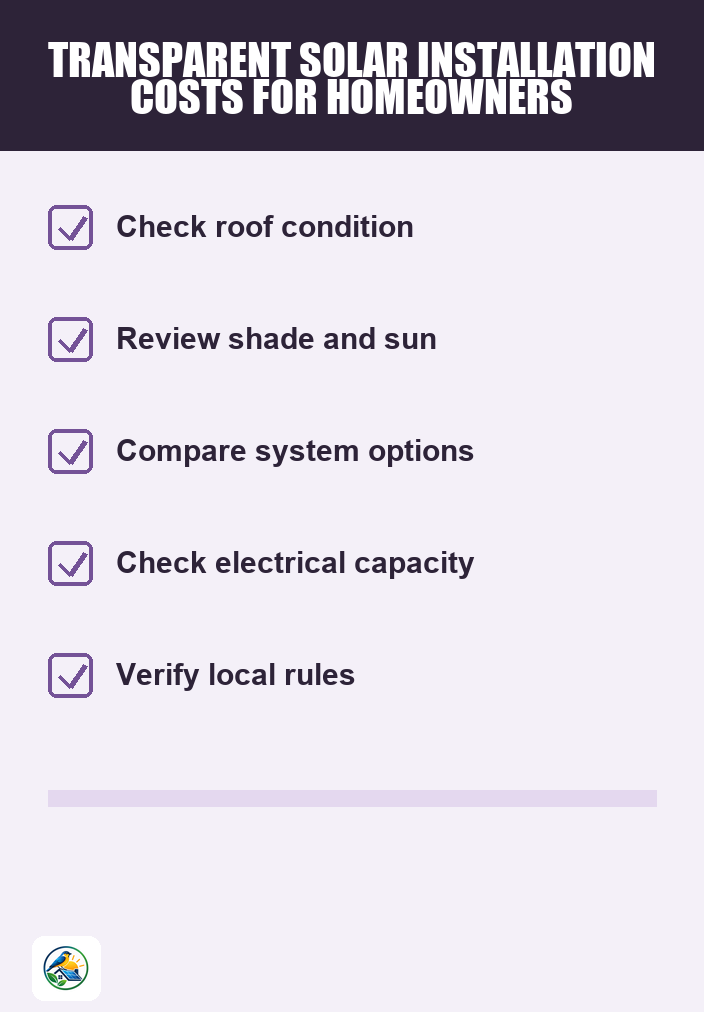
Understanding Solar Installation Costs for a 3000 Square Foot Home
If you’re considering solar energy for your 3000 square foot home, it’s essential to understand the installation costs involved. Solar systems can vary significantly in price based on various factors, such as location, equipment choice, and installation specifics. In this guide, we’ll break down the potential costs you might encounter while ensuring you’re aware of any hidden fees that can arise during the process.
Estimating Solar Installation Costs
On average, solar installation costs for a residential rooftop system in the U.S. can range from $15,000 to $30,000 before any incentives. For a 3000 square foot home, the price will largely depend on the system size needed, which is typically measured in kilowatts (kW).
Calculating System Size
To determine the right size of the solar system for your home, consider the following:
- Energy Consumption: Review your past electricity bills to find your average monthly usage in kilowatt-hours (kWh).
- Sunlight Exposure: The amount of sunlight your roof receives will impact the system’s efficiency. A south-facing roof typically yields the best results.
- System Efficiency: Different solar panels have varying efficiency ratings. Higher efficiency panels can generate more energy from the same amount of sunlight.
As a rough estimate, a typical solar system for a 3000 square foot home might range from 6 kW to 10 kW, depending on your energy needs and roof conditions. This translates to an installation cost of approximately $18,000 to $30,000, assuming an average price of $3,000 to $6,000 per kW installed. These figures can vary significantly based on your specific situation.
Factors Influencing Solar Installation Costs
Several factors can influence the overall costs of a solar installation:
1. Roof Condition and Type
The condition of your roof can significantly impact the installation cost. If your roof requires repairs or replacement, this will add to the upfront costs. Additionally, the type of roofing material (asphalt shingles, metal, tile) can affect installation complexity and price.
2. Installation Complexity
If your roof is steep, has multiple angles, or requires additional structural support, it may require more labor and time, increasing the overall cost of installation.
3. Location and Permitting
Local permitting and regulations can differ greatly from one area to another, affecting both the time and cost of installation. Some regions may have more stringent codes, requiring additional planning or inspections.
4. System Design
The layout of your solar system will also play a role in the overall cost. Factors like the number of panels, inverter types, and whether you want a battery backup system will influence the price.
Considering Battery Backup
Many homeowners are now considering adding battery storage to their solar systems. While this can increase the overall installation cost, it provides several benefits:
- Energy Independence: Batteries store excess energy generated during the day for use at night or during power outages.
- Load Shifting: You can use stored energy during peak utility hours when rates are higher.
However, adding a battery system can increase your costs by $10,000 to $15,000 or more, depending on the capacity and technology chosen.
Avoiding Hidden Fees
While comparing quotes from solar installers, it’s essential to be aware of potential hidden fees that can inflate your costs. Here are some common ones to watch out for:
- Permitting Fees: Some installers may not include permitting costs in their initial estimates.
- Interconnection Fees: This fee is charged by your utility for connecting the solar system to the grid.
- Maintenance Fees: Be sure to ask about any ongoing maintenance costs associated with your system.
Comparing Quotes Effectively
When seeking quotes from installers, make sure to obtain itemized estimates that break down all costs, including installation, equipment, permits, and any potential fees. This transparency will help you make an informed decision.
What to Ask Potential Installers
When speaking with potential installers, consider asking the following questions:
- What warranties do you offer for the solar panels and the installation?
- Can you provide references or testimonials from previous clients?
- How do you handle permitting and interconnection with the utility?
- What happens if my energy needs change in the future?
Next Steps for Homeowners
As you navigate the process of installing solar on your 3000 square foot home, take time to research and compare itemized quotes from qualified installers. Ensure you fully understand the costs involved, potential savings, and any specific requirements unique to your situation. By staying informed and asking the right questions, you can make a confident decision about whether solar energy is the right fit for you.


















