Understanding the Importance of Battery Storage in Your Solar Quote
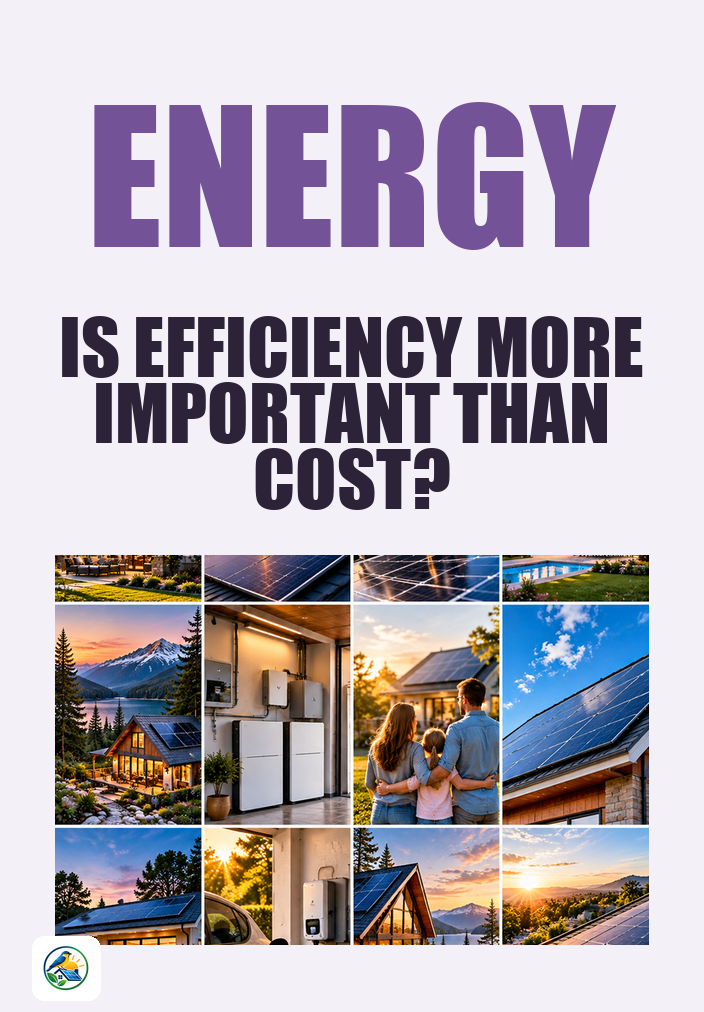
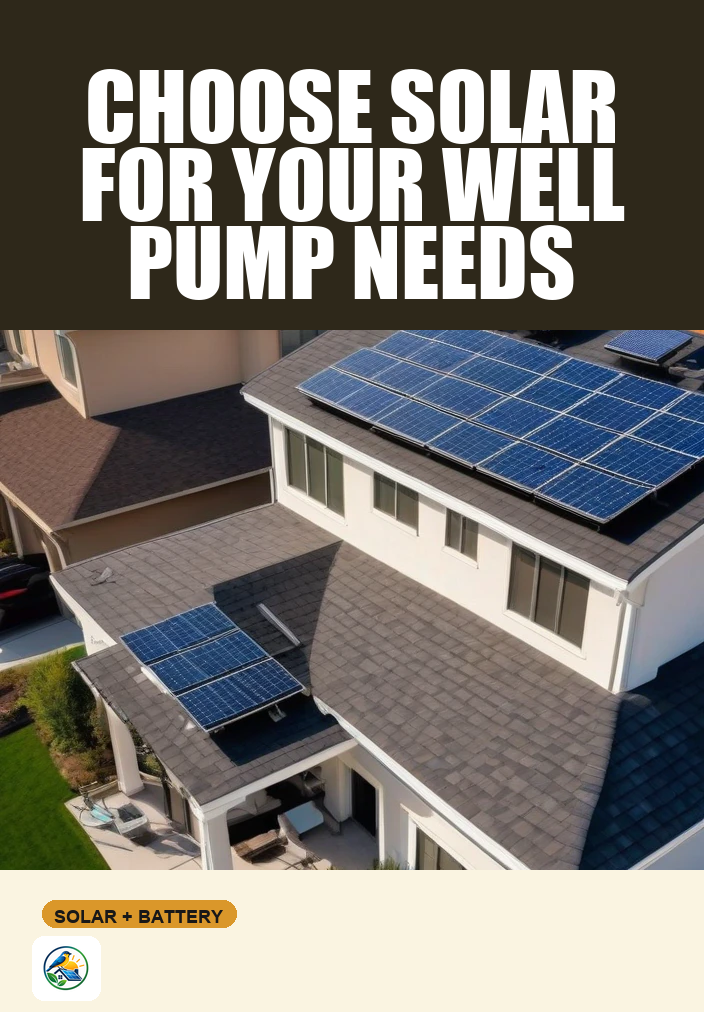
When considering a residential rooftop solar system, many homeowners focus on the immediate benefits of generating their own electricity. However, an often-overlooked aspect is the inclusion of effective battery storage solutions in your solar quote. Battery storage can significantly enhance the performance and reliability of your solar system, making it crucial to understand the options available and how they impact your overall energy strategy.
What is Battery Storage and Why is it Important?
Battery storage systems work in conjunction with solar panels to store excess energy generated during the day for use at night or during power outages. This capability is particularly beneficial in areas with inconsistent utility power or for homeowners looking to maximize their energy independence. When requesting a solar quote, it’s essential to ensure that battery storage solutions are included, especially if you want to optimize your solar investment.
Types of Battery Storage Solutions
There are several types of battery storage solutions available, each with its own set of advantages and limitations:
- Lithium-ion batteries: These are the most common type of battery used in residential solar systems due to their high energy density, longer lifespan, and faster charging times. They tend to be more expensive but offer greater efficiency.
- Lead-acid batteries: These batteries are less expensive but have a shorter lifespan and lower energy density compared to lithium-ion batteries. They may be suitable for smaller systems but are generally not recommended for larger installations.
- Saltwater batteries: A newer option, saltwater batteries are environmentally friendly and safe. They have a longer lifespan than lead-acid batteries but may not provide the same performance as lithium-ion options.
Key Considerations for Homeowners
When evaluating battery storage solutions in your solar quote, consider the following factors:
1. Energy Needs
Assessing your household’s energy consumption will help you determine the appropriate battery size. Consider factors like:
- Average daily energy usage (in kilowatt-hours).
- Peak energy demands (the maximum energy needed at one time).
- Usage patterns (how much energy you consume during the day versus at night).
2. System Size and Compatibility
Ensure that the battery system is compatible with your solar panels and inverter. An installer can help you identify the right combination, but make sure your quote clearly outlines these components.
3. Local Climate and Weather Conditions
Your local weather plays a significant role in the effectiveness of your solar system and battery storage. Areas with frequent power outages or extreme weather may benefit more from robust battery solutions to maintain energy availability during emergencies.
4. Cost and Financial Considerations
Battery storage adds to the initial cost of a solar installation. While it can provide energy savings over time, it’s essential to evaluate whether the added expense aligns with your financial goals. Keep in mind:
- The upfront cost of batteries versus potential savings on utility bills.
- Financing options, as some lenders may offer specific products for solar and battery installations.
- Incentives or rebates that may be available for battery storage in your area.
Common Trade-offs in Battery Storage Solutions
While battery storage offers numerous benefits, there are trade-offs to consider:
- Cost vs. Return: Higher-capacity batteries can be more expensive, and homeowners should weigh the cost against the expected return on investment.
- Maintenance: Battery systems require maintenance and monitoring to ensure optimal performance, which can entail additional costs.
- Capacity Limitations: Not all battery systems can store enough energy to power your home during extended outages. Make sure to understand the limitations of the options you’re considering.
Evaluating Quotes from Installers
When you receive solar quotes, look for detailed itemization that includes battery storage options. This transparency will make it easier to compare different installers and their offerings. Here’s what to look for:
- Clear breakdown of costs associated with both the solar panels and the battery storage system.
- Specifications for the battery type, capacity, and warranty.
- Details about the installation process, including any necessary upgrades to your home’s electrical system.
- Information on any ongoing maintenance services offered.
Making Your Decision
Ultimately, the decision to include battery storage in your solar quote should be based on your energy needs, financial situation, and how much energy independence you desire. Consulting with qualified installers can provide valuable insights tailored to your specific circumstances.
Next Steps
To ensure you make an informed decision, compare itemized quotes from qualified installers. Pay close attention to the details regarding battery storage options, costs, and warranties. Additionally, verify any local incentives or rebates that may apply to your situation. With careful consideration, you can find a solar solution that not only meets your energy needs but also aligns with your financial goals.