
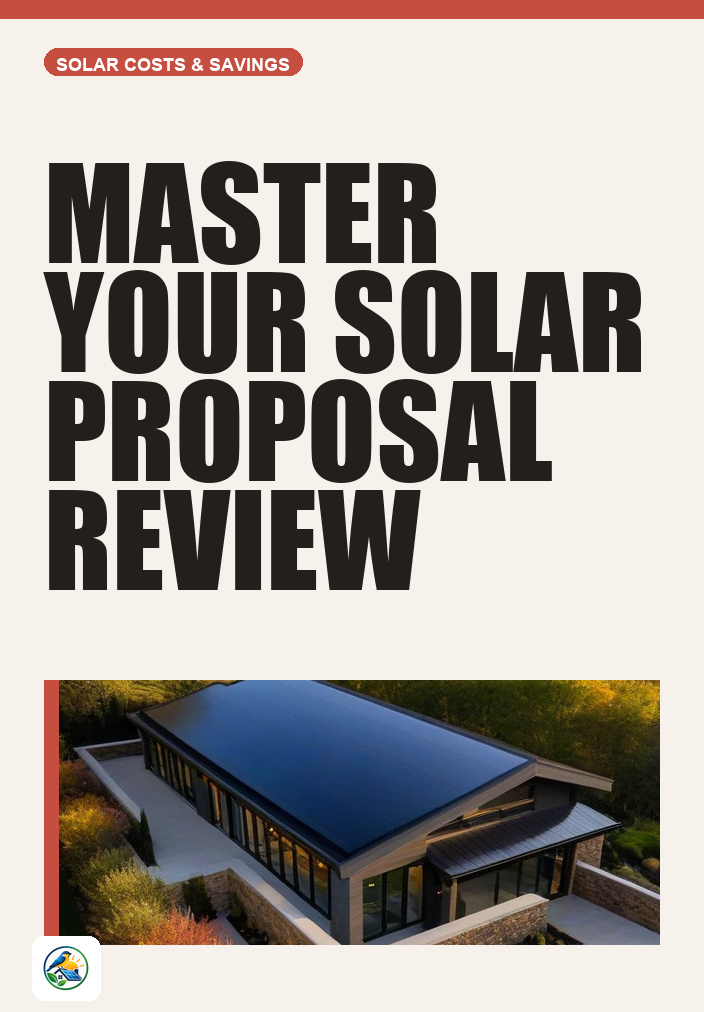
Understanding Solar Proposals: Key Considerations for Homeowners
As a homeowner contemplating the installation of a residential rooftop solar system, you may find yourself navigating a sea of proposals that vary widely in price, equipment, and terms. To make an informed decision, it’s essential to have a structured approach to reviewing these proposals. This article provides an essential checklist to help you evaluate solar quotes effectively, ensuring that you choose the best option for your specific needs.
1. Assess Your Energy Needs
Before diving into solar proposals, take a moment to assess your energy consumption patterns. Understanding your monthly electricity usage will help you determine how much solar energy you’ll need to generate. Here are some steps to consider:
- Review Past Bills: Look at your electricity bills for the past year to identify your average monthly usage in kilowatt-hours (kWh).
- Consider Future Needs: Anticipate any changes in your household that may affect energy consumption, such as adding new appliances or electric vehicles.
2. Compare Equipment and Technology
Solar proposals will often include different types of panels, inverters, and battery options. Understanding these components is crucial to making an informed choice. Here’s what to look for:
Types of Solar Panels
- Monocrystalline: Generally more efficient and take up less space, but often more expensive.
- Polycrystalline: Usually less expensive but less efficient, requiring more roof space.
- Thin-Film: Lightweight and flexible, but typically less efficient than crystalline options.
Inverters
- String Inverters: Cost-effective but can be less efficient if one panel is shaded.
- Microinverters: More expensive but allow for individual panel optimization.
- Power Optimizers: Combine benefits of string and microinverters by optimizing each panel.
Battery Options
If you’re considering a home battery, evaluate its capacity, efficiency, and warranty terms. Key points include:
- Capacity: Measured in kilowatt-hours (kWh), it indicates how much energy the battery can store.
- Round-Trip Efficiency: The percentage of energy you can use from the battery compared to what you put in.
- Warranty: Look for warranties that cover both performance and replacement.
3. Evaluate Financial Aspects
Solar investments require careful financial consideration. While it’s tempting to focus solely on the upfront cost, other factors can significantly impact your bottom line:
Upfront Costs vs. Financing
- Cash Purchase: Typically offers the best long-term savings but requires a significant initial investment.
- Loans: Spread the cost over time but may incur interest charges.
- Leases & PPAs: Lower upfront costs but may not provide the same financial benefits as ownership.
Incentives and Tax Credits
Incentives vary by location and can change over time. Verify local, state, and federal programs that may reduce your costs. Remember:
- Federal tax credits or local rebates can significantly impact your investment but must be verified for current eligibility.
- Check with your installer for details on specific incentives available in your area.
4. Analyze Installation and Performance Metrics
Understanding the installation details and expected performance is vital for assessing the proposals:
System Size and Design
- System Size: Ensure the proposed system size aligns with your energy needs. A system that’s too small may not meet your consumption, while an oversized system could be unnecessarily expensive.
- Layout and Orientation: Review how the panels will be positioned on your roof. Optimal orientation (usually south-facing) and tilt angles can maximize energy production.
Performance Guarantees
Check for performance guarantees or production estimates provided in the proposals. A reputable installer should offer:
- A clear estimate of expected energy production based on your location and system design.
- Performance guarantees that outline what happens if the system underperforms.
5. Review Permitting and Interconnection Processes
The permitting and interconnection process can vary greatly based on local regulations. Here are key points to consider:
- Permitting: Ask the installer about the permitting process and timeframes. Delays can impact your installation timeline.
- Interconnection: Understand the requirements to connect your system to the grid, including any fees and timelines.
6. Assess Installer Credentials and Reputation
The installer you choose can significantly affect your solar experience. Consider the following when evaluating proposals:
- Experience: Look for installers with a proven track record and years of experience in your area.
- Certifications: Ensure they have necessary certifications, such as NABCEP (North American Board of Certified Energy Practitioners).
- Reviews and References: Check online reviews and ask for references to gauge customer satisfaction.
Next Steps: Making Your Decision
After reviewing proposals using this checklist, your next step is to compare the itemized quotes from qualified installers. Focus on the total costs, equipment quality, installation timeline, and service terms. Consider reaching out to multiple installers to clarify any questions and ensure you have a comprehensive understanding of each proposal.
Solar energy can be a valuable investment for many homeowners, but it isn’t the right choice for everyone. By thoroughly assessing proposals with this checklist, you can make a more informed decision that aligns with your energy needs and financial goals.


















