
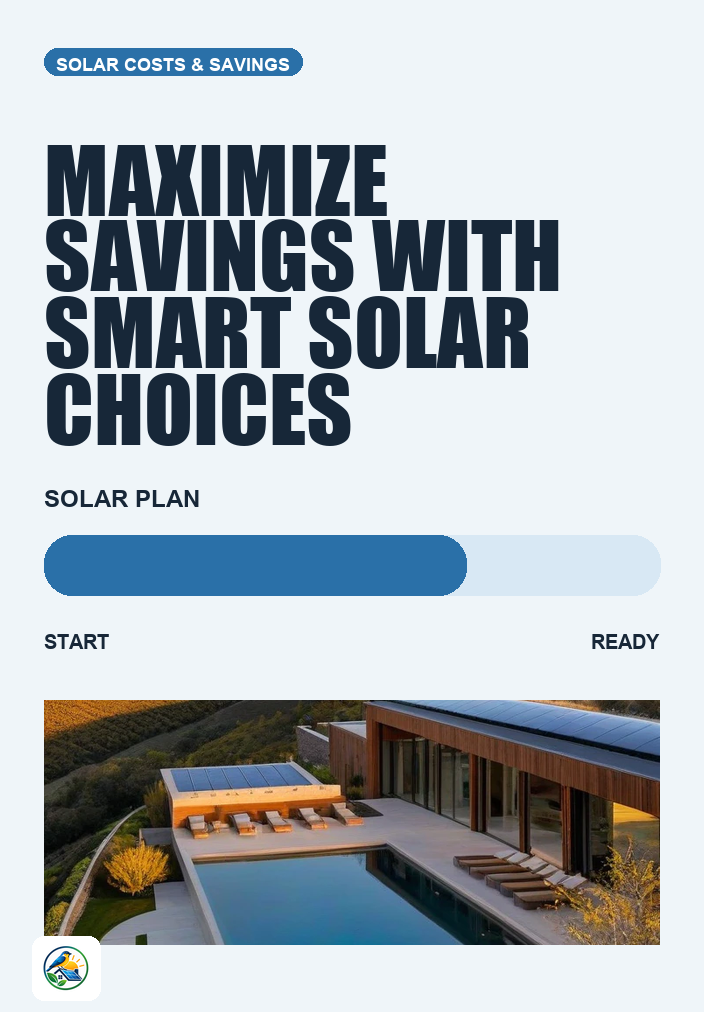
Understanding Your Electricity Costs and Solar Options
If you’re a U.S. homeowner grappling with high electricity bills, considering a solar installation can feel like a daunting task. The promise of renewable energy and potential savings is appealing, but it’s crucial to understand your specific situation before making any decisions. Solar isn’t a one-size-fits-all solution, and various factors will influence its feasibility and financial implications for your household.
Assessing Your Electricity Usage
Before diving into solar options, start with a clear understanding of your electricity consumption. Review your utility bills over the past year to identify trends in usage and costs. Consider the following:
- Monthly Usage: Track your kilowatt-hours (kWh) used each month. This will give you a baseline to determine how much solar power you might need.
- Peak Usage Times: Identify when your electricity usage is highest. This is often during the evening when many household appliances are in use.
- Seasonal Variations: Be aware of how your energy needs change with the seasons, especially in extreme weather conditions.
Understanding these factors will help you gauge whether solar is a viable solution for reducing your bills.
Evaluating Your Home’s Solar Potential
Not every home is equally suited for solar energy. Several physical characteristics of your property can influence the effectiveness and cost of a solar installation:
- Roof Condition: A roof in poor condition may require repairs or replacement before solar panels can be installed.
- Roof Orientation: South-facing roofs generally receive the most sunlight, making them ideal for solar panels. East and west-facing roofs can still work, but may produce less energy.
- Shade Factors: Trees, buildings, and other obstructions can cast shadows on your roof, reducing solar panel efficiency. A site assessment can help evaluate shading issues.
- Space Availability: Ensure there is enough roof space for the number of panels required to meet your energy needs.
Consider hiring a professional for a solar site assessment to better understand these factors.
Understanding Solar System Types
When considering solar, it’s essential to know the different system types available. Each has its own advantages and trade-offs:
- Grid-Tied Systems: These systems connect directly to the utility grid, allowing you to draw power from the grid when your solar system isn’t producing enough energy. They often qualify for net metering, where you can receive credits for excess energy you generate.
- Battery Backup Systems: These systems store excess energy generated during the day for use at night or during outages. They provide more energy independence but come with higher upfront costs.
- Off-Grid Systems: If you live in a remote area, an off-grid solar system can provide power without relying on the utility grid. However, these systems typically require larger battery banks and may be more expensive.
Each system type has unique costs, benefits, and maintenance requirements, so think about what aligns best with your energy needs and lifestyle.
Financing Your Solar Project
Financing options for solar systems can vary widely. Consider the following approaches:
- Cash Purchase: Paying upfront can eliminate finance charges, but it requires significant capital.
- Solar Loans: Many lenders offer loans specifically for solar installations. Compare interest rates, terms, and fees.
- Leases and Power Purchase Agreements (PPAs): These options allow you to pay for solar power without purchasing the system outright. However, they may offer limited savings over time compared to ownership.
Evaluate your budget and consider how financing will affect your overall costs and savings.
Understanding Incentives and Rebates
Incentives can significantly reduce the upfront cost of solar installations. However, these programs vary by state and locality. Here are a few types of incentives to look out for:
- Federal Tax Credit: The federal government offers tax credits for solar installations, but the percentage can change, so verify current details.
- State and Local Incentives: Many states have their own incentives, which can include rebates, grants, or additional tax credits.
- Utility Incentives: Some utility companies offer incentives for solar panel installations or net metering programs.
Always verify the current status of these incentives, as they can change frequently.
Comparing Quotes from Installers
Once you’ve assessed your needs and home suitability, it’s time to get quotes from solar installers. Here’s what to look for:
- Itemized Quotes: Request detailed quotes that break down costs for equipment, installation, permits, and any additional fees.
- Warranties and Maintenance: Check what warranties are offered on the solar panels and the installation work. Understand what maintenance is required and who is responsible.
- Experience and Reputation: Research installers’ reputations through reviews and ratings. Experienced contractors may provide better service and installation quality.
Comparing multiple quotes can help you make an informed decision based on your specific needs and financial situation.
Practical Next Steps
Choosing solar for a home with high electricity bills requires careful consideration of various factors. Start by assessing your electricity usage and understanding your home’s solar potential. Evaluate the types of solar systems available, explore financing options, and research local incentives. Finally, gather quotes from qualified installers to make an informed decision.
Solar can provide an excellent opportunity for energy independence and potential cost savings, but it’s essential to ensure it aligns with your unique circumstances. Take the time to explore your options thoroughly, and you’ll be better prepared to make the right choice for your home.


















