
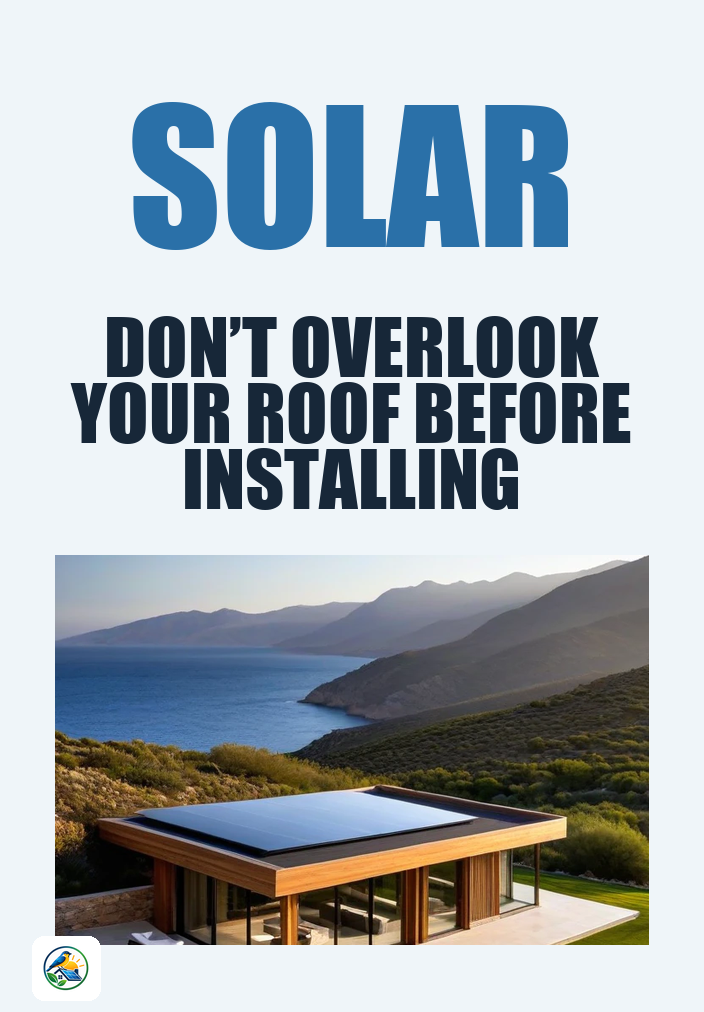
Understanding the Importance of Roof Inspection Before Solar Installation
Considering solar energy for your home can be an exciting venture. However, before you dive into installation, it’s crucial to evaluate your roof’s condition, structure, and other essential factors. A comprehensive roof inspection checklist can help you understand any potential issues that may affect your solar installation costs and overall system performance.
Key Considerations for Your Roof Inspection
Before proceeding with solar installation, consider the following elements of your roof. Each factor plays a vital role in determining the feasibility and cost of your solar system.
1. Roof Condition
The first step is to assess the overall condition of your roof. A roof in poor condition may require repairs or even complete replacement before solar panels can be installed. Here are some points to check:
- Surface Damage: Look for missing shingles, cracks, or other visible damage.
- Age of the Roof: If your roof is nearing the end of its lifespan (typically 20-30 years), consider replacing it before installation.
- Leaks: Ensure there are no leaks, as they can cause damage to both your home and the solar equipment.
- Structural Integrity: Check for sagging or any signs of structural weakness that could affect the installation.
2. Roof Type and Material
The type of roof you have can significantly influence the installation process and costs. Common roofing materials include:
- Asphalt Shingles: Generally compatible with solar panels and easier to install.
- Tile: More complex installation may require additional support.
- Metal: Excellent for solar and often offers longevity, but installation may vary.
- Flat Roofs: Require specialized mounting systems, which can affect overall costs.
Determine the material and type of your roof to communicate it accurately with potential installers.
3. Roof Orientation and Pitch
The orientation and pitch of your roof can affect the efficiency of solar panels. South-facing roofs generally receive the most sunlight, while east and west-facing roofs can also be effective, albeit to a lesser extent. Consider the following:
- Pitch: A steeper pitch can complicate installation and may require additional safety measures.
- Shading: Assess any trees, buildings, or structures that may cast shadows on your roof, as this can significantly reduce energy production.
Additional Structural Considerations
Beyond the basic roof inspection, several other structural factors can impact solar installation.
4. Electrical Upgrades
Your existing electrical system may need upgrades to accommodate the new solar system. Consider the following:
- Older wiring may not support a solar installation, requiring an upgrade.
- Ensure your electrical panel can handle the additional load from solar energy.
- In some cases, you may need to upgrade to a grid-tied system for better performance.
5. Local Climate and Weather Conditions
Your local climate can also influence the installation process and costs. For example:
- Heavy snowfall may require extra mounting considerations.
- High winds can necessitate additional securing measures.
- Frequent storms may impact the longevity and maintenance of your solar system.
Estimating Solar Installation Costs
Once you’ve completed your roof inspection, you can begin to estimate the potential costs associated with installing solar panels. Here’s how to approach this:
6. Cost Factors to Consider
Several factors will influence the overall cost of your solar installation:
- Roof Repairs or Replacement: If your roof requires work, factor these costs into your budget.
- Installation Complexity: A roof with a steep pitch or unique design may increase labor costs.
- Type of Solar System: Decide whether you want a simple grid-tied system, a battery backup, or an off-grid setup, as each has different costs.
- Permitting and Interconnection Fees: These can vary significantly by location and may require additional budgeting.
7. Comparing Quotes from Installers
Once you have a clear understanding of your roof’s condition and the associated costs, it’s time to collect quotes from qualified solar installers. Here’s how to approach this:
- Request itemized quotes that break down costs for materials, labor, permits, and any necessary upgrades.
- Compare the quotes to ensure you’re getting a fair price.
- Ask questions about warranties, maintenance, and the expected lifespan of the equipment.
Taking the Next Steps
Before committing to solar installation, ensure you have completed a thorough roof inspection and have a clear understanding of the costs involved. By comparing itemized quotes from qualified installers, you can make informed decisions that align with your home’s specific needs. Don’t forget to verify any current local incentives or tax credits that may apply to your situation to ensure you’re maximizing your investment.


















