Understanding Solar Batteries and Generators
When considering how to power your home, especially in the context of a residential solar rooftop system, two popular options often emerge: solar batteries and generators. Both have their unique benefits and limitations, and your choice will largely depend on your home’s specific needs, location, and energy usage patterns. This article will help you weigh the options and make an informed decision for your home.
Solar Batteries: A Modern Energy Solution
Solar batteries store energy generated by your solar panels for use when the sun isn’t shining. This technology has rapidly evolved, offering homeowners a reliable way to harness solar energy and provide backup power during outages.
Advantages of Solar Batteries
- Energy Independence: By storing solar energy, you reduce reliance on the grid, which is particularly beneficial during peak usage times or outages.
- Environmental Benefits: Utilizing stored solar energy minimizes your carbon footprint, contributing to a cleaner energy future.
- Flexible Usage: Batteries can power essential appliances during outages, ensuring that you remain comfortable and safe.
Considerations When Choosing Solar Batteries
Before investing in a solar battery system, consider the following:
- Cost: Batteries can be a significant investment. You’ll need to evaluate whether the upfront costs align with your long-term energy goals.
- Capacity: Assess your energy needs to determine the size and capacity of the battery you’ll require. Consider factors like peak usage and the number of appliances you wish to power during outages.
- Longevity: Battery lifespan varies. Research the expected lifespan and warranty of the batteries you are considering.
- Installation: Proper installation is crucial for performance and safety. Partnering with a qualified installer can help ensure that your system meets local regulations.
Generators: A Traditional Backup Power Source
Generators have long been a staple for homeowners seeking reliable backup power. They can run on various fuels, including gasoline, propane, or natural gas, and are often used during extended outages.
Advantages of Generators
- Immediate Power: Generators can provide power almost immediately when the grid goes down, making them a reliable choice for unexpected outages.
- High Power Output: Generators can typically supply more energy than a battery system, allowing you to power larger appliances and systems.
- Lower Initial Cost: Generally, generators have a lower upfront cost compared to battery systems, making them more accessible for some homeowners.
Considerations When Choosing Generators
As with solar batteries, there are several factors to consider when selecting a generator:
- Fuel Availability: Depending on the fuel type, availability can impact your generator’s effectiveness during an outage.
- Noise Levels: Generators can be noisy, which may be an issue in residential areas, especially during nighttime outages.
- Maintenance: Generators require regular maintenance and fuel replenishment, adding to your ongoing costs and responsibilities.
- Environmental Impact: Fuel-burning generators produce emissions, which may not align with sustainability goals for some homeowners.
Comparing Solar Batteries and Generators
To help you assess which option may be better suited for your home, consider the following comparison:
- Energy Source: Solar batteries rely on renewable energy, while generators depend on fossil fuels.
- Installation Costs: Solar battery systems often have higher upfront costs compared to generators.
- Power Duration: Batteries may provide power for a shorter duration, while generators can run as long as there is fuel available.
- Environmental Considerations: Solar batteries are generally more eco-friendly than generators, which emit greenhouse gases.
Evaluating Your Home’s Needs
Ultimately, the right choice depends on your individual circumstances. Here are some questions to consider:
- What is your typical energy usage? Are there critical appliances you need to keep powered during an outage?
- How often do you experience power outages in your area? Are they short-term or long-term?
- What is your budget for backup energy solutions? Are you looking for a long-term investment or a temporary fix?
- Do you prioritize environmental sustainability in your energy choices?
Next Steps: Getting Professional Advice
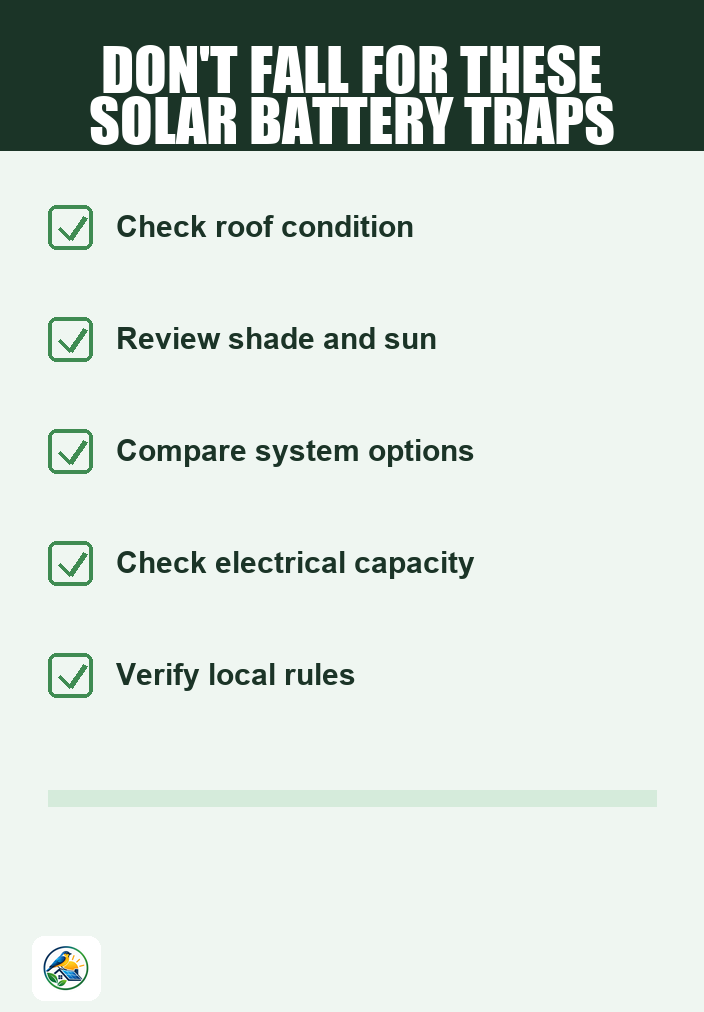
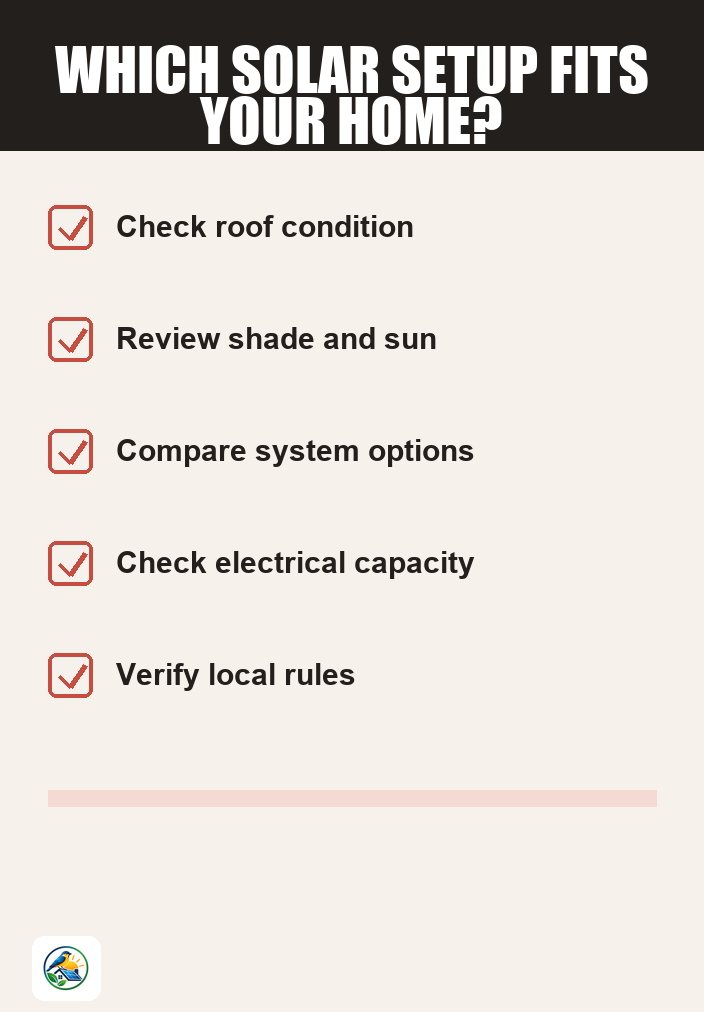
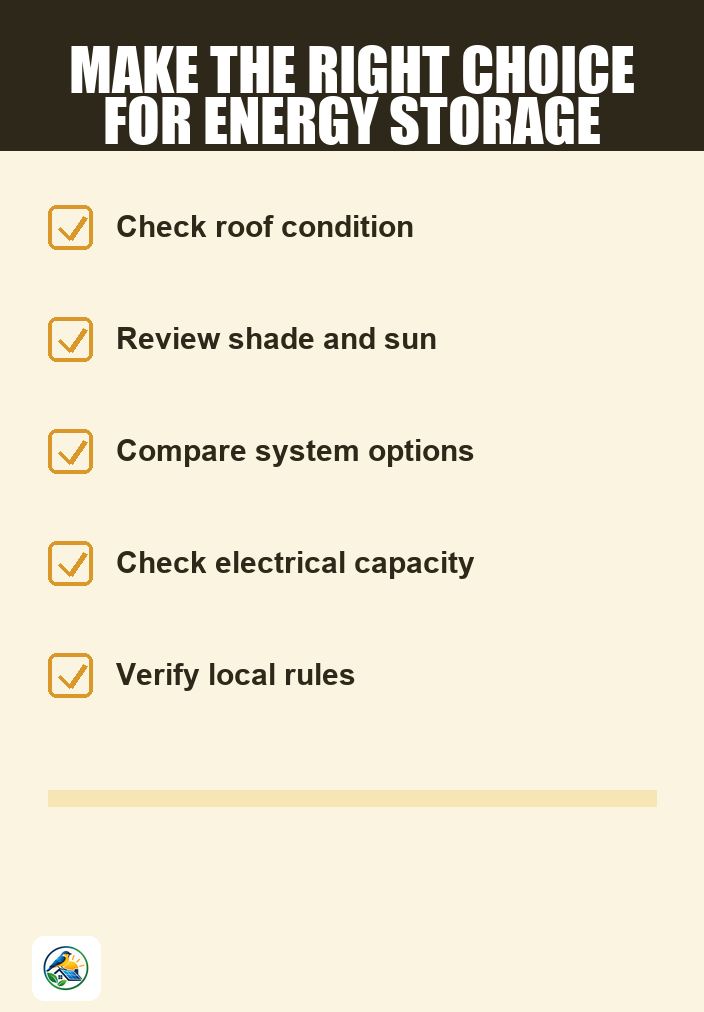
Once you have a clearer understanding of your needs, the next step is to obtain quotes from qualified installers. A professional assessment can provide valuable insights tailored to your specific property, including factors like roof condition, orientation, and local utility policies.
As you compare quotes, ensure they are itemized and cover all aspects, including installation costs, equipment specifications, and any ongoing maintenance requirements. Additionally, verify current local incentives and regulations that may apply to your situation.
Choosing between solar batteries and generators can be complex, but with the right information and professional guidance, you can find a solution that meets your home’s energy needs effectively.