
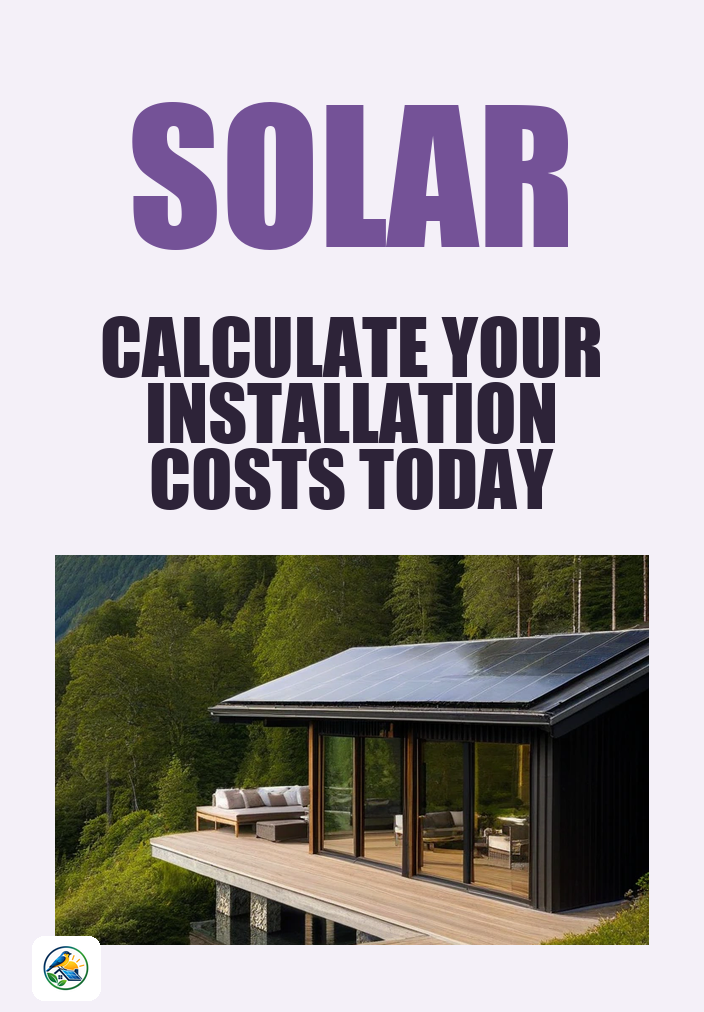
Understanding the Cost of Solar Installation for Your 3000 Sq Ft Home
As a U.S. homeowner considering solar energy, estimating the costs associated with a solar installation for your 3000 sq ft home is a critical first step. While many factors influence the overall price, understanding the key components can help you make informed decisions about whether solar is right for your property.
Estimating Solar Installation Costs
The average cost of a residential solar installation typically ranges between $15,000 and $30,000 before any incentives or financing options. For a 3000 sq ft home, you can expect to pay anywhere from $20,000 to $40,000, depending on various factors such as your location, energy needs, and system specifications. Here’s a breakdown of the costs you might encounter:
- System Size: The size of the solar system is measured in kilowatts (kW). For a home of this size, you might need a system ranging from 6 kW to 12 kW, depending on your energy consumption and the efficiency of the panels.
- Equipment Costs: This includes solar panels, inverters, mounting hardware, and wiring. Equipment prices can vary widely based on brand and technology.
- Installation Labor: Labor costs can vary by region and the complexity of the installation. Professional installation is essential for safety and efficiency.
- Permitting and Inspection Fees: Most local governments require permits for solar installations, which can incur additional costs.
- Utility Interconnection Fees: Connecting your solar system to the grid may require fees or upgrades to your electrical system.
Understanding System Components and Their Costs
When considering solar, it’s important to understand the different components that contribute to overall costs. Here are the main elements:
Solar Panels
Solar panels are the most visible part of your system and come in various types, such as monocrystalline, polycrystalline, and thin-film. Each type has its price point and efficiency levels. Higher efficiency panels may cost more upfront but can produce more energy.
Inverters
An inverter converts the direct current (DC) electricity produced by the panels into alternating current (AC) electricity used in your home. There are string inverters, microinverters, and power optimizers, each with different costs and benefits.
Battery Systems
If you are considering a home battery for backup power, this will add to your installation costs. Battery systems vary in capacity and price, and while they can provide energy during outages, they may not be necessary for all homeowners.
Factors Influencing Costs
Several factors can influence the total cost of your solar installation:
- Roof Condition and Type: The condition of your roof affects installation costs. A roof in good shape will require fewer repairs, while older roofs may need reinforcement or replacement.
- Shading and Orientation: If your roof is heavily shaded by trees or buildings, it may not be ideal for solar. The orientation of your roof also greatly affects energy production.
- Location: Installation costs can vary significantly based on your geographic location and local regulations. Urban areas may have higher labor costs, while rural areas may experience different permitting requirements.
- Energy Consumption: Homes with higher energy needs will require larger systems, resulting in higher upfront costs.
Financing Options for Solar Installation
Many homeowners opt for financing to manage the upfront costs of solar installations. Here are some common options:
- Cash Purchase: Paying in full upfront can save you money in the long run, as you avoid interest and financing fees.
- Solar Loans: Financing through a solar loan allows you to pay for your system over time, typically with fixed monthly payments.
- Leases and Power Purchase Agreements (PPAs): These arrangements allow homeowners to install solar with little or no upfront cost, but they may result in higher overall costs in the long run.
Evaluating Incentives and Tax Credits
Before making a decision, check for current local and federal incentives that can lower your installation costs. These incentives can vary widely by location and may include:
- Federal Tax Credit: Homeowners may qualify for a federal tax credit for a percentage of the installation cost. Verify the current percentage and eligibility requirements.
- State and Local Incentives: Many states and municipalities offer additional rebates, grants, or tax credits for solar installation.
- Net Metering: This arrangement allows homeowners to receive credits for excess energy generated by their solar system, which can offset future utility bills.
Next Steps: Getting Quotes from Installers
Once you have a basic understanding of the potential costs and considerations, the next step is to obtain quotes from qualified solar installers. Here are some tips:
- Compare Itemized Quotes: Request detailed quotes that break down the costs for equipment, installation, permits, and any additional fees.
- Check Credentials: Ensure that installers are licensed, insured, and have positive reviews or testimonials from previous customers.
- Ask Questions: Don’t hesitate to ask installers about the specific equipment they recommend, warranties, and maintenance plans.
Solar energy can be a valuable addition to your home, but it’s essential to carefully evaluate your options and understand the costs involved. By comparing quotes and thoroughly researching, you can make an informed decision that aligns with your energy needs and financial goals.


















