
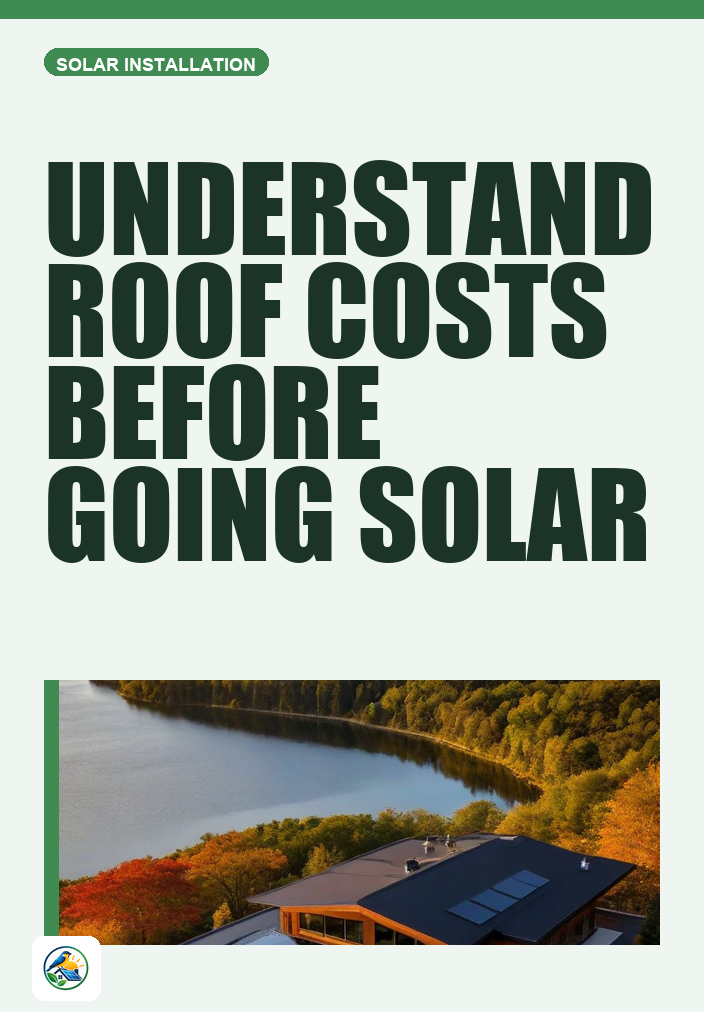
Understanding Roof Inspection Costs: A Key Factor in Solar Installation Decisions
As homeowners consider the transition to solar energy, one crucial aspect that often gets overlooked is the condition of the roof. Before investing in a solar installation, it’s essential to evaluate the roof’s suitability and associated inspection costs. This article will guide you through the factors that influence roof inspection costs and how these costs affect your solar installation decision.
The Importance of a Roof Inspection
A roof inspection serves as an assessment of your roof’s current condition, determining its ability to support a solar system. A well-maintained roof can enhance the efficiency and longevity of solar panels, while a compromised roof may require repairs or even replacement before installation.
Why Get a Roof Inspection?
- Safety: Ensures that the structural integrity of your roof can handle the weight of the solar panels.
- Longevity: Identifies potential issues that could lead to water damage or roof failure.
- Efficiency: A sound roof maximizes solar energy production by ensuring optimal panel placement.
- Cost-Effectiveness: Addressing roof issues upfront can save money on future repairs and solar system adjustments.
Typical Costs of Roof Inspections
The cost of a roof inspection can vary widely based on several factors, including your location, roof size, and the type of roofing material. On average, homeowners can expect to pay between $100 and $500 for a professional roof inspection. Here’s a breakdown of what influences these costs:
Factors Influencing Roof Inspection Costs
- Geographic Location: Inspection costs can differ significantly from one region to another. Urban areas may have higher rates due to increased demand.
- Roof Size and Complexity: Larger roofs or those with multiple slopes and features may require more time and expertise to inspect, leading to higher costs.
- Roofing Material: Different materials, such as asphalt shingles, tile, or metal, may require specialized knowledge, impacting inspection fees.
- Inspection Type: Some inspectors provide basic visual assessments, while others may offer comprehensive evaluations, including infrared scans or moisture detection, which come at an additional cost.
Evaluating Your Roof’s Condition
Before you schedule a roof inspection, it’s helpful to have a basic understanding of your roof’s condition. Here are some common signs that may indicate the need for an inspection:
- Age: If your roof is nearing the end of its lifespan (typically 20-30 years for asphalt shingles), an inspection is warranted.
- Visible Damage: Look for missing shingles, cracks, or sagging areas, which may indicate underlying issues.
- Water Stains: Interior water stains on ceilings or walls can be a sign of roof leaks.
- Moss or Algae Growth: This can trap moisture and lead to deterioration.
Roof Repairs and Their Financial Impact
If your roof inspection reveals issues, you may need to consider repairs or even a full roof replacement. These costs can vary significantly based on the extent of the damage and the materials used. Here’s what to keep in mind:
Types of Roof Repairs
- Minor Repairs: These can range from $200 to $1,000 and typically involve fixing leaks, replacing a few shingles, or sealing penetrations.
- Major Repairs: More extensive work, such as replacing sections of the roof or addressing structural issues, can cost $1,000 to $5,000 or more.
- Full Replacement: If your roof is beyond repair, a full replacement may cost $5,000 to $20,000, depending on size and materials.
Comparing Roof and Solar Installation Costs
When planning your solar installation, it’s crucial to factor in the cost of roof repairs. Here’s how to approach the financial aspect:
Cost-Benefit Analysis
Consider the following when evaluating costs:
- Inspection and Repair Costs: Add the total inspection and potential repair costs to your solar installation budget.
- Solar Installation Costs: Obtain itemized quotes from installers, which will help you understand the full financial picture.
- Financing Options: If repairs are necessary, consider how financing will affect your overall budget for solar.
Next Steps for Homeowners
As you weigh the decision to install solar panels, here are some practical next steps:
- Schedule a Roof Inspection: Find qualified professionals in your area to assess your roof’s condition.
- Request Quotes: When you’re ready, reach out to multiple solar installers for detailed, itemized quotes that include potential roof work.
- Compare Costs: Evaluate both the roof inspection/repair costs and the solar installation quotes to determine the best path forward.
- Stay Informed: Verify local incentives, utility policies, and tax information before making any commitments.
By carefully evaluating roof inspection costs and understanding the condition of your roof, you can make an informed decision about whether solar energy is a suitable option for your home. Remember, this is a significant investment, and taking the time to assess all factors will ultimately lead to better outcomes.


















