Understanding Solar Installation Quotes in California
When considering the transition to solar energy for your home in California, comparing solar installation quotes is a crucial step. With the state’s abundant sunshine, many homeowners are exploring the benefits of solar energy, but navigating the various quotes can be complex. This article will guide you through the process of comparing solar installation quotes to ensure you make an informed decision.
Why Comparing Quotes Matters
Each solar installation company may present different pricing, equipment options, and financing solutions. By comparing multiple quotes, you can gain a better understanding of the market, find the right system for your needs, and potentially save on costs. However, it’s important to remember that the lowest price does not always equate to the best value. Evaluating the details of each quote is essential.
Key Elements to Look for in Solar Quotes
When reviewing solar installation quotes, focus on the following elements:
- System Size: The size of the solar system, measured in kilowatts (kW), will directly affect the energy production and overall cost. Ensure that the quotes specify the system size recommended for your household’s energy needs.
- Equipment Quality: The type of solar panels and inverters used can vary significantly. Look for details on the brands, efficiency ratings, warranties, and certifications of the equipment.
- Installation Costs: This includes labor and any additional materials needed. Check if the quote covers all aspects of the installation process, including permits and inspections.
- Financing Options: Understand the financing methods available, such as cash purchase, loans, or leases. Each option has different impacts on your long-term savings and ownership of the system.
- Incentives and Tax Credits: California offers various incentives for solar installations. Ensure the quote outlines any applicable rebates or tax credits. However, always verify these with local authorities as they can change.
- Estimated Energy Production: Although estimates can vary, some quotes may provide projections based on your location and roof characteristics. This can help gauge the potential benefits of the system.
- Net Metering Policies: Familiarize yourself with the net metering policies in your area, as this impacts how excess energy produced by your system is credited back to you.
Comparing Solar Installation Quotes: A Step-by-Step Approach
To effectively compare solar installation quotes, follow these steps:
- Gather Multiple Quotes: Reach out to at least three different solar installers to get a range of quotes. This will provide a better understanding of the market.
- Standardize Your Comparisons: Create a simple spreadsheet to list and compare the key elements from each quote. This can help you visualize differences and similarities across proposals.
- Ask Questions: Don’t hesitate to seek clarification on any part of the quote. Understanding the reasoning behind costs and equipment choices can help you make a more informed decision.
- Evaluate the Installer’s Reputation: Check reviews, ratings, and the installer’s track record. A company with a strong reputation may offer better service and support.
Considerations Unique to California Homes
California’s diverse climate and housing styles can influence solar installation. Here are some factors to consider:
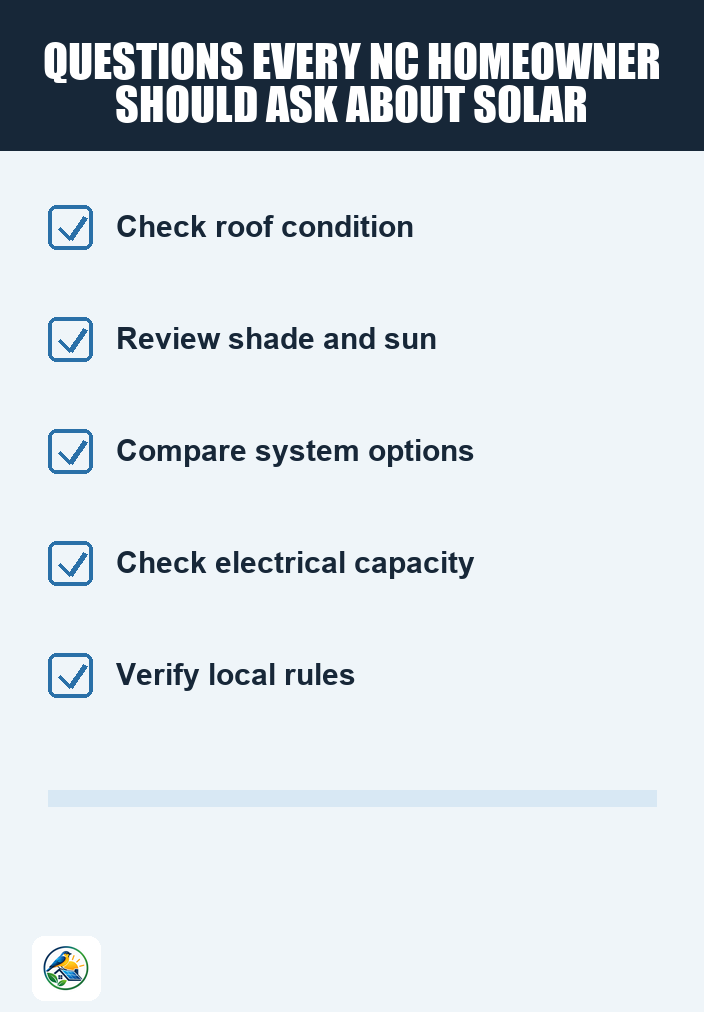
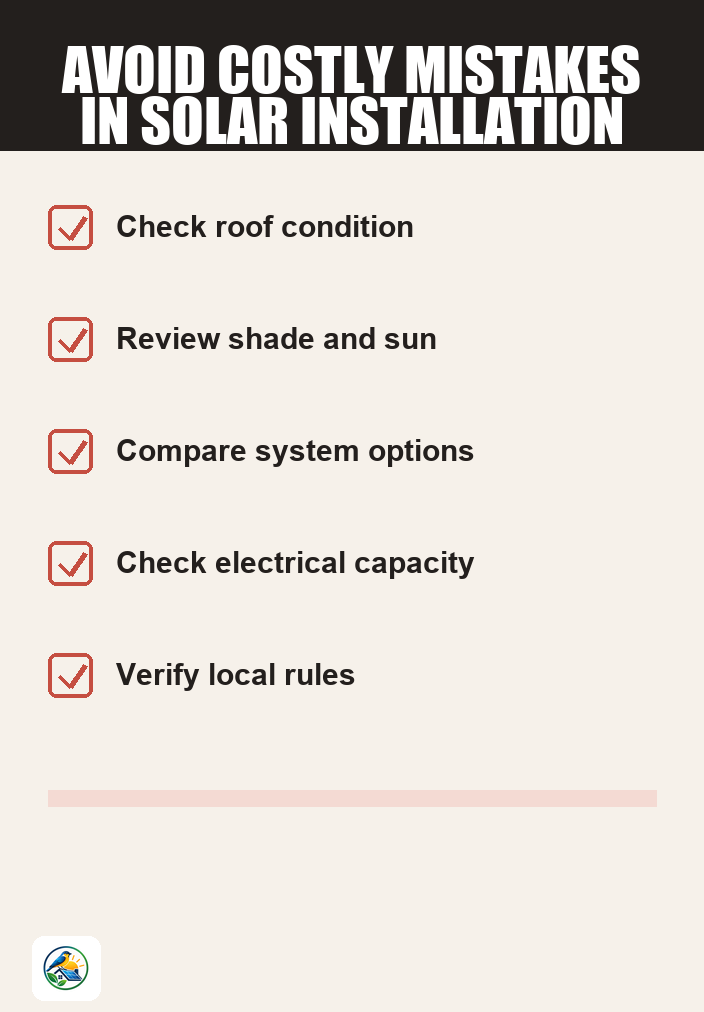
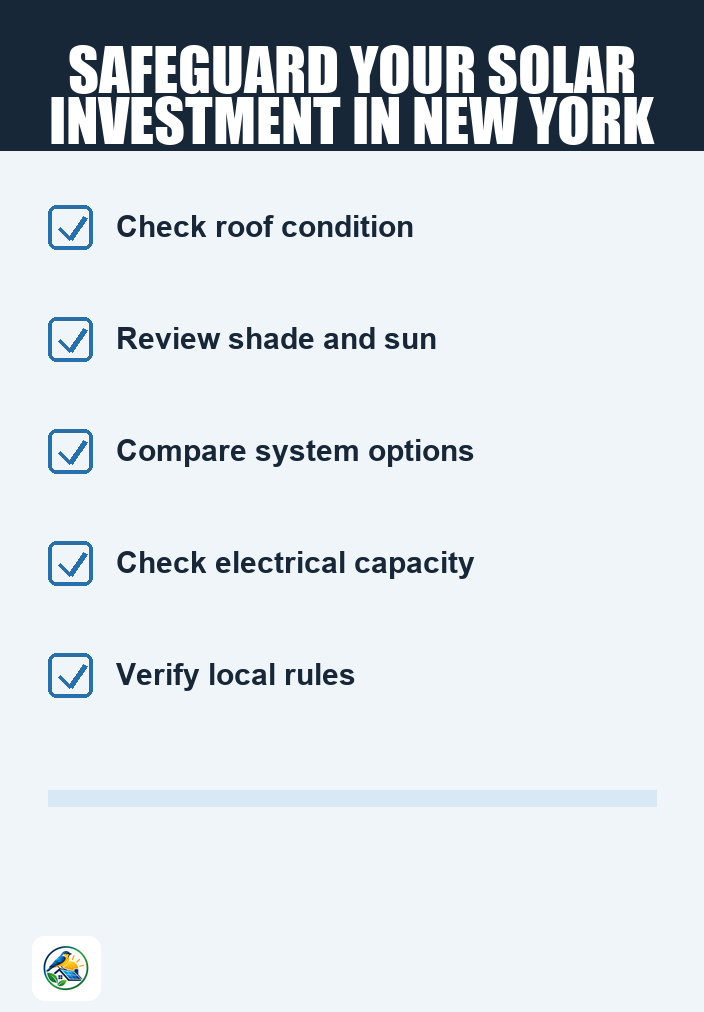
- Roof Condition: Ensure your roof is in good repair before installation. If your roof requires work, this should be factored into the overall cost and timeline for installation.
- Shade and Orientation: Assess your roof’s orientation and any potential shading from trees or nearby structures. These factors can affect energy production and should be discussed with your installer.
- Home Battery Options: If you’re considering a battery backup, clarify how this affects the overall cost and installation process. Batteries can provide energy during outages but come with additional costs and maintenance considerations.
- Permitting and Utility Regulations: Each municipality may have different permitting requirements. Ensure that the installer is familiar with local regulations to avoid unexpected delays.
Understanding Trade-offs and Limitations
Every solar installation comes with its own set of trade-offs. Here are a few to keep in mind:
- Initial Costs vs. Long-Term Savings: While solar can lead to savings over time, the initial investment can be significant. Assess your financial situation when considering financing options.
- Production Variability: Solar energy production can fluctuate based on weather conditions and seasonal changes. Understand how this may impact your energy needs.
- Maintenance Requirements: Although solar systems require minimal maintenance, regular inspections and cleaning may be necessary to ensure optimal performance.
Next Steps After Receiving Quotes
After gathering and comparing solar installation quotes, it’s time to take the next steps:
- Discuss Options with Family: Review the quotes together and discuss any concerns or preferences.
- Consult with a Financial Advisor: If financing is a significant concern, consider consulting a financial advisor to understand the implications of different options.
- Verify Current Incentives: Before making a final decision, verify current state and federal incentives, as they can change frequently.
- Finalize Your Choice: Choose the installer that best meets your needs, balancing costs, equipment quality, and reputation.
By following these guidelines, you can effectively compare solar installation quotes in California and make a well-informed decision that aligns with your home’s needs and your family’s energy goals.