
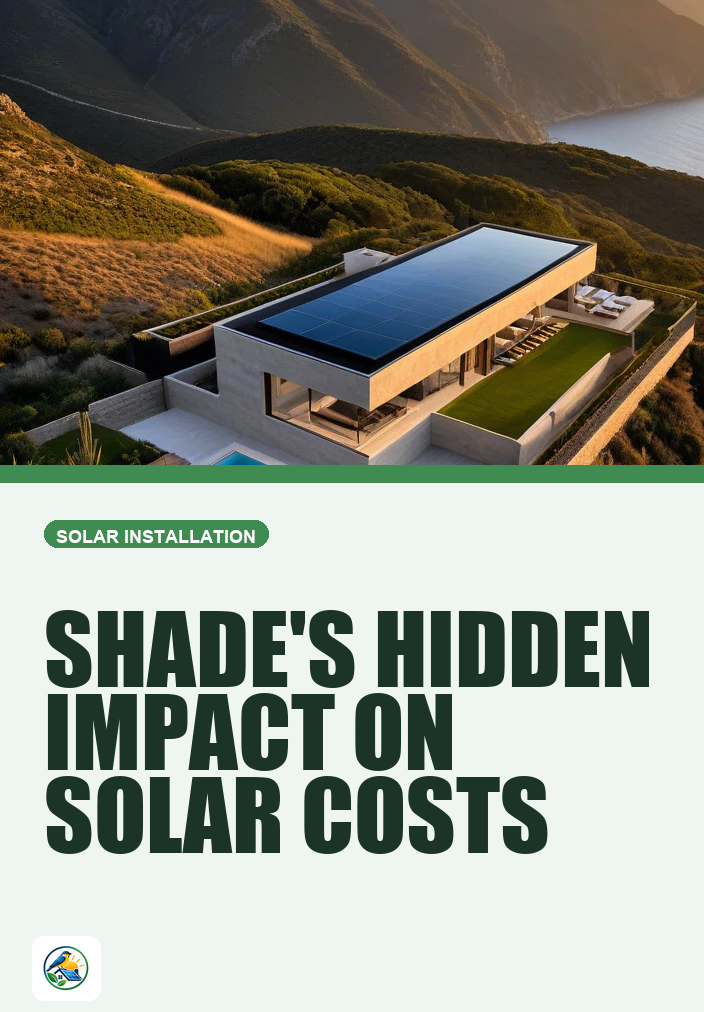
Understanding the Role of Shade in Solar Panel Placement Costs
When considering a residential rooftop solar system, one of the key factors that can significantly influence costs is shade. Shade can arise from various sources, including trees, neighboring structures, and even chimneys. Understanding how shade impacts solar panel placement can help homeowners make informed decisions about their solar investments.
How Shade Affects Solar Energy Production
The primary goal of installing solar panels is to generate electricity. Shade can reduce the amount of sunlight that reaches the solar panels, directly affecting their energy output. Even partial shading can cause a significant drop in performance, making it essential to evaluate the potential shading on your roof.
Types of Shade
There are several types of shade that may affect solar panel performance:
- Consistent Shade: This is caused by permanent structures like trees or buildings that block sunlight throughout the day.
- Intermittent Shade: This occurs when objects like moving clouds or temporary obstructions (e.g., construction) block sunlight at various times.
- Seasonal Shade: Some structures or trees may only cast shade during certain seasons, depending on the angle of the sun.
Evaluating Your Property for Shade
Before installing solar panels, it’s crucial to assess your property’s shading situation. Here are some practical steps to evaluate shade impact:
- Conduct a Site Assessment: Walk around your property at different times of the day to observe how sunlight interacts with your roof. Take note of any structures or trees that cast shade.
- Use Solar Assessment Tools: Online tools and mobile apps can help you visualize sun exposure and shading. Some solar installers offer free assessments using specialized equipment.
- Consider Seasonal Changes: Pay attention to how shade varies with the changing seasons. Trees may have leaves in summer but be bare in winter.
Cost Implications of Shade on Solar Panel Installation
The presence of shade can influence several cost-related aspects of solar panel installation:
1. Reduced Energy Production
As mentioned earlier, shade can diminish the energy output of your solar system. This may lead to a lower return on investment, as you might not generate as much electricity as anticipated. Understanding this can help you gauge whether solar is a financially viable option for your home.
2. Additional Equipment Costs
To mitigate the effects of shading, you may need to invest in additional equipment:
- Microinverters: These convert DC electricity from individual solar panels into AC electricity. They can optimize energy production even when some panels are shaded.
- Power Optimizers: Similar to microinverters, power optimizers help maximize the output of each panel, particularly useful in partially shaded situations.
- Battery Backup Systems: If your solar system produces less energy due to shading, a battery can store excess energy generated during peak sun hours for later use.
3. Roof Modifications
In some cases, homeowners may need to modify their roofs to accommodate solar panels effectively. This could involve trimming trees or installing panels at a different angle to reduce shading. Such modifications can add to your overall installation costs.
Trade-offs and Considerations
When evaluating shade and its impact on solar panel placement costs, it’s essential to consider the following trade-offs:
- Cost vs. Benefit: Assess whether the potential energy savings from solar panels outweigh the costs associated with additional equipment or roof modifications.
- Long-term Plans: Consider your plans for the property. If you plan to keep trees or nearby structures, it may be worthwhile to explore options for solar installations that can still operate efficiently.
- Professional Evaluations: A professional installer can provide a detailed analysis of your property’s shading and recommend optimal solutions tailored to your specific situation.
Practical Examples of Shade Impact
Let’s look at a few examples to understand how shade can affect different homes:
Example 1: Urban Home with Nearby Buildings
A homeowner in a densely populated urban area may find their roof partially shaded by neighboring buildings. In this case, the homeowner might need to install microinverters to maximize energy production, which could increase upfront costs but improve efficiency.
Example 2: Suburban Home with Tall Trees
A suburban homeowner with large trees in their yard may need to consider tree trimming or removal to enhance solar exposure. While this could be a significant initial expense, it may lead to better energy production from the solar panels.
Example 3: Rural Home with Seasonal Shade
For a rural homeowner whose property experiences seasonal shading from trees, it might be beneficial to plan for a solar system that accounts for variations in sun exposure throughout the year. This could involve a larger system to ensure sufficient energy production during peak seasons.
Next Steps for Homeowners
As you assess the impact of shade on your solar panel placement, consider the following next steps:
- Conduct a thorough evaluation of your property’s shading at different times of day and seasons.
- Consult with qualified solar installers to get detailed quotes, including itemized costs related to shading considerations.
- Ask for professional assessments to explore the best equipment and installation options to mitigate shading impacts.
Remember that solar energy can be a valuable investment, but it’s essential to understand how factors like shade can affect your costs and overall energy production. By taking the time to evaluate these elements, you can make a more informed decision about whether solar is right for your home.


















