Understanding Your Financing Options: Cash vs. Solar Loans
When considering the installation of a residential rooftop solar system, one of the most significant decisions you’ll face is how to finance the project. For many homeowners, the choice often boils down to two primary options: using cash to pay for the system outright or taking out a solar loan. Each option has its own advantages and disadvantages, and the right choice will depend on your unique financial situation and long-term goals. This article will guide you through the key considerations to help you make an informed decision.
Weighing the Pros and Cons of Cash Payments
Paying for your solar system in cash can provide several immediate benefits:
- No Monthly Payments: By paying upfront, you eliminate the burden of monthly loan payments, freeing up your budget for other expenses.
- Immediate Ownership: You own the system outright from day one, which means you can take full advantage of any available incentives without any lender involvement.
- No Interest Costs: Paying in cash means you won’t incur any interest, which can reduce the overall cost of your solar investment.
However, paying in cash also comes with drawbacks:
- High Initial Expense: The upfront cost of a solar system can be substantial, which may require depleting savings or investments.
- Opportunity Cost: Using cash for a solar system might prevent you from investing that money elsewhere, potentially missing out on alternative investment opportunities.
- Cash Flow Impact: If your financial situation changes unexpectedly, having less cash on hand could create challenges.
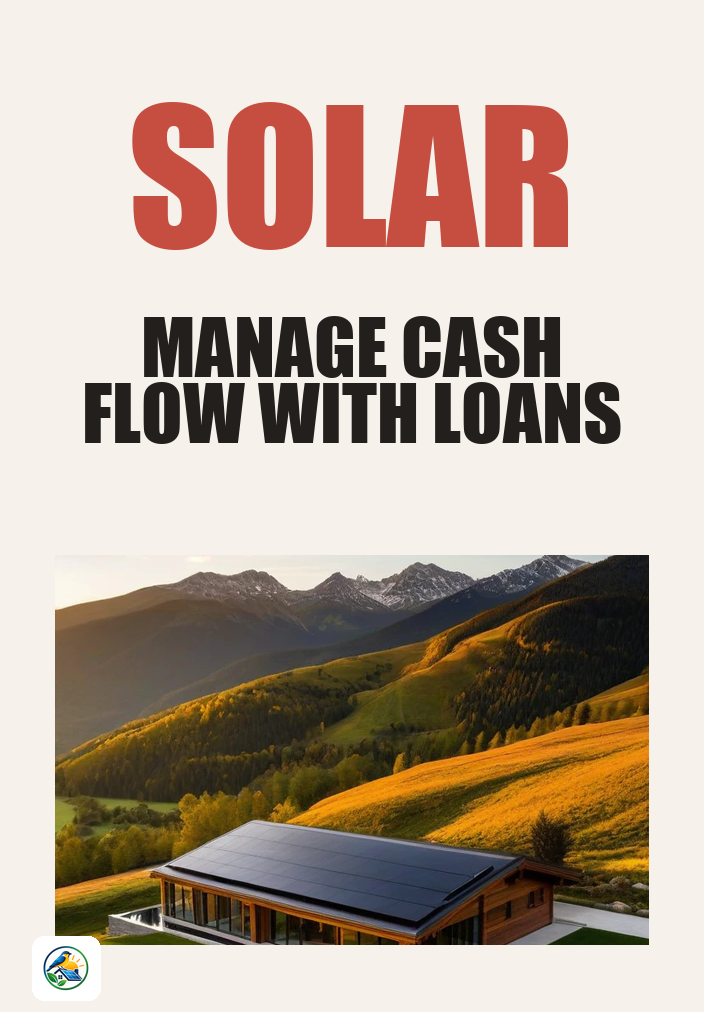
Exploring Solar Loans: Flexibility and Affordability
On the other hand, financing your solar installation with a loan can make the system more accessible:
- Lower Upfront Costs: Solar loans typically allow you to spread the cost over several years, making it easier to manage payments within your monthly budget.
- Potential for Immediate Savings: Some homeowners may find that their monthly loan payments are less than their current electricity bills, allowing for immediate cash flow improvements.
- Preservation of Capital: By financing the system, you can keep your savings intact for emergencies or other investments.
Yet, there are also considerations to keep in mind when opting for a solar loan:
- Interest Rates: Loans typically come with interest rates, which can increase the overall cost of your solar system. Understanding the terms of the loan is crucial.
- Monthly Payments: While lower than traditional electricity bills, monthly payments can still strain your budget if not carefully planned.
- Long-Term Commitment: A loan requires a long-term commitment, which might not align with your future plans, especially if you’re considering moving.
Evaluating Your Financial Situation
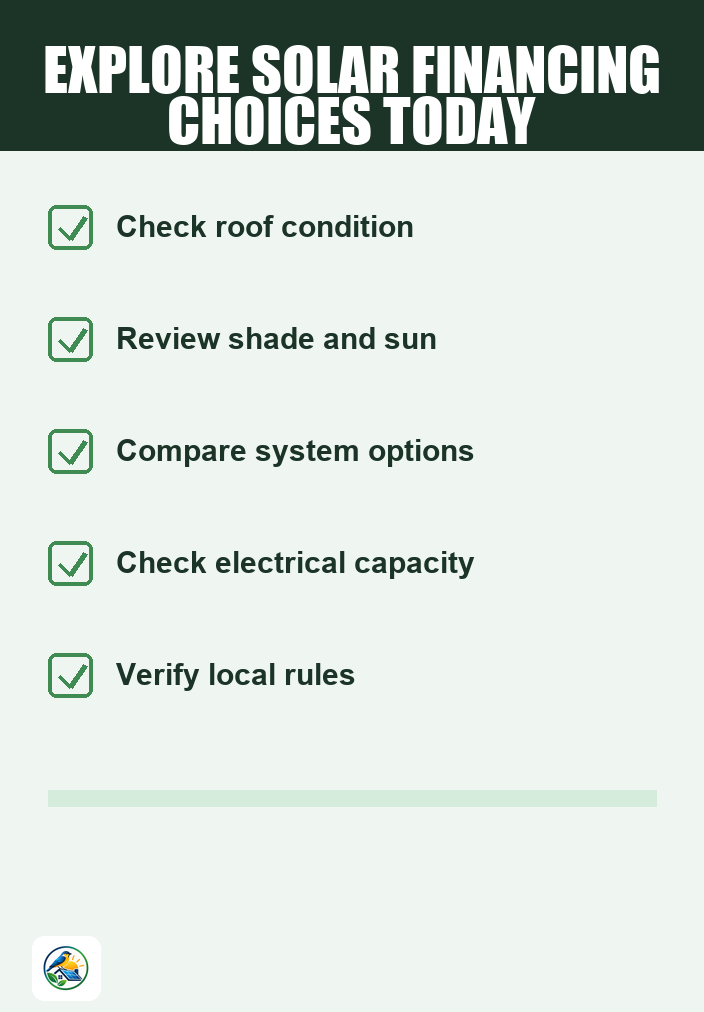
Before deciding between cash and a solar loan, it’s important to evaluate your personal financial situation. Here’s a checklist to help guide your decision:
- Assess Your Savings: Determine how much you can comfortably spend upfront without sacrificing your emergency fund or other financial goals.
- Review Your Monthly Budget: Analyze how a loan payment would fit into your monthly expenses. Would it be manageable alongside your other bills?
- Consider Future Moves: If you plan to sell your home within a few years, think about how the financing option might affect the sale of your home and any remaining payments.
- Understand Current Incentives: Research current state and federal incentives for solar installations, as these can impact the overall cost and your financing needs. Incentives can vary significantly, so independent verification is essential.
When to Consult with a Professional Installer
Consulting with a professional installer can provide clarity and detailed insights tailored to your specific situation. A qualified installer can:
- Provide Itemized Quotes: Get quotes that break down the costs of equipment, installation, and financing options. This can help you understand the total investment required.
- Assess Your Home’s Suitability: A professional can evaluate your roof’s condition, orientation, and shading to determine if solar is a viable option for your home.
- Explain Financing Options: An installer can walk you through various financing options, including any available partnerships with lenders, to find a solution that fits your needs.
Comparing Cash and Solar Loans: A Simple Calculation
To help illustrate the financial implications of each option, consider this simple calculation:
If you plan to install a solar system that costs $20,000:
- Cash Payment: You pay $20,000 upfront.
- Solar Loan: If you finance the system at a 5% interest rate over 10 years, your monthly payment might be about $212, totaling approximately $25,440 over the loan term.
While the initial cash payment is higher, the solar loan spreads the cost over time but may result in a higher total cost due to interest. This example highlights the importance of considering both upfront and long-term financial impacts.
Next Steps in Your Solar Journey
Deciding between cash and a solar loan is a personal choice that requires careful thought and consideration. To make the best decision, start by:
- Evaluating your financial situation and long-term goals.
- Researching local solar installers and obtaining itemized quotes to compare costs and financing options.
- Consulting with financial advisors if necessary to fully understand the implications of each choice.
By weighing the pros and cons of both financing options and aligning them with your financial strategy, you can make a well-informed decision about how to proceed with your solar installation.