
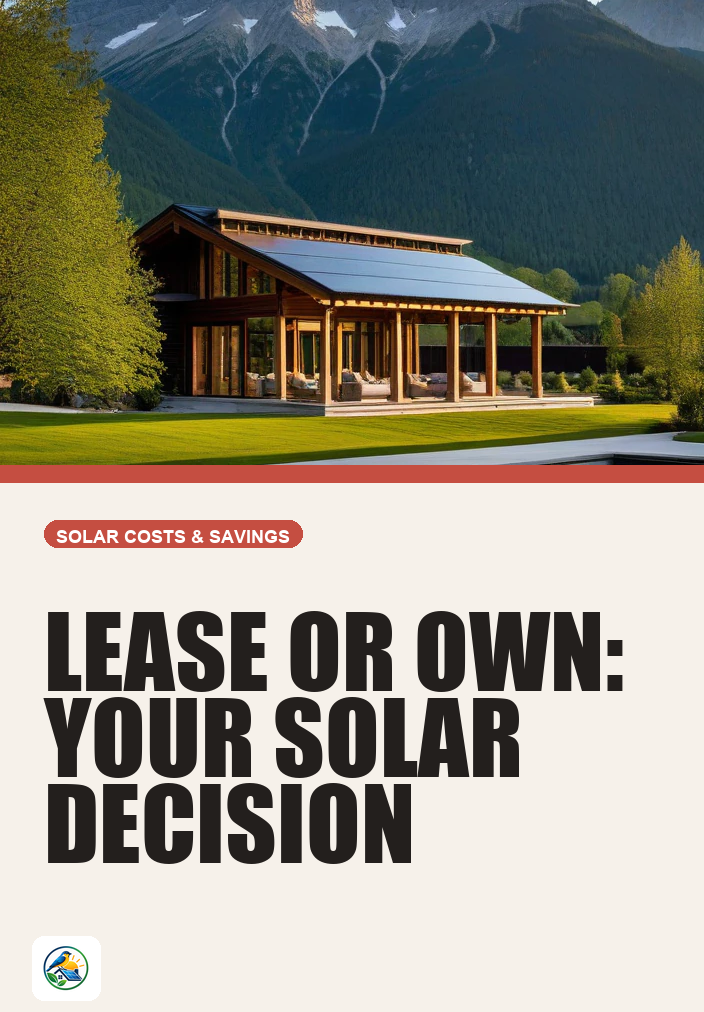
Evaluating Your Options: Should You Lease or Own Solar Panels?
As a homeowner considering a solar energy system, one of the first decisions you’ll face is whether to lease or own your solar panels. This choice can significantly impact your finances, energy needs, and overall satisfaction with your system. Here, we’ll explore both options, their respective trade-offs, and important considerations to help you make an informed decision tailored to your circumstances.
The Basics: Leasing vs. Owning Solar Panels
At its core, leasing solar panels means you pay a monthly fee to use the solar equipment owned by a third-party company. In contrast, owning solar panels—either outright or through financing—means you take full responsibility for the installation, maintenance, and overall performance of the system.
Leasing Solar Panels
Leasing can be an attractive option for homeowners who want to go solar without the upfront costs associated with purchasing a system. Here are some key points to consider:
- Lower Initial Costs: With a lease, you typically don’t have to pay much upfront. You may only need to cover installation fees and any necessary upgrades to your electrical system.
- Maintenance Included: Most leases come with maintenance and monitoring services, so you won’t have to worry about repairs or system performance issues.
- Fixed Monthly Payments: Your lease payment is generally fixed over the term of the lease, which can help with budgeting.
However, there are also notable downsides to leasing:
- No Ownership Benefits: You won’t qualify for tax credits, rebates, or incentives that are typically available to owners of solar systems.
- Long-Term Commitment: Solar leases often last 20-25 years. If you sell your home, the lease may transfer to the new owner, which could complicate the sale.
- Less Control: You may have limited control over the system’s performance and any necessary upgrades or changes.
Owning Solar Panels
Owning solar panels can be a more advantageous option in the long run for many homeowners. Here’s why:
- Tax Incentives and Rebates: When you own your system, you can take advantage of federal tax credits, state incentives, and local rebates, which can significantly reduce your overall costs.
- Increased Property Value: Solar panels can enhance your home’s value. Studies suggest that homes with solar systems sell for more than comparable homes without them.
- Control Over Your System: You have the freedom to choose your equipment, upgrades, and maintenance practices, giving you more control over your energy production.
On the downside, owning solar panels comes with its own set of challenges:
- Higher Upfront Costs: Purchasing a system outright requires a larger initial investment, which may not be feasible for everyone.
- Maintenance Responsibility: As the owner, you are responsible for maintenance and repairs, which can be an added cost.
- Financing Costs: If you finance your purchase, you may incur interest charges that could offset some savings.
Considerations for Your Home
Before making a decision, assess how specific factors related to your home and situation might influence your choice:
- Roof Condition and Orientation: A well-maintained roof with optimal orientation for solar production is ideal for both leasing and owning. If your roof requires repairs, it may affect your decision.
- Energy Usage: Evaluate your energy consumption patterns. If you have high usage, owning may provide better long-term savings through higher energy production.
- Future Plans: Consider how long you plan to stay in your home. If you anticipate moving within a few years, leasing might be less complicated.
- Financial Situation: Analyze your financial health. If you have the means to invest upfront and can manage ongoing maintenance, ownership may be advantageous.
- Incentives and Utility Policies: Research your local utility’s net metering rules, incentives, and any potential changes to solar policy that could affect your decision.
Comparing Costs: A Practical Approach
To make an informed choice, it’s essential to compare the costs between leasing and owning. Here’s a simple checklist to guide you:
- Gather quotes from multiple solar installers for both leasing and purchasing options.
- Request itemized breakdowns of the costs associated with each option, including installation, maintenance, and financing.
- Investigate any available tax credits or incentives that apply to your situation.
- Calculate long-term costs—not just upfront expenses—over the expected lifespan of the solar system.
- Consider the potential impact on your home’s value and marketability if you own the solar panels.
When to Consult a Professional Installer
Understanding the intricacies of solar energy options can be challenging. Consulting with a professional installer can provide clarity based on your specific circumstances. They can offer tailored recommendations and help you navigate local regulations, permitting processes, and financing options.
Before making your final decision, ensure you have a comprehensive understanding of both leasing and owning solar panels. In some cases, a professional installer can help you run the numbers and visualize the potential energy savings and costs associated with each option.
Next Steps: Making Your Decision
Choosing between leasing or owning solar panels is a significant decision that requires careful consideration of your financial situation, home condition, and future plans. Start by comparing itemized quotes from qualified installers and evaluating the specifics of your local market. Don’t hesitate to ask questions and seek advice to ensure you’re making the best choice for your needs.


















