
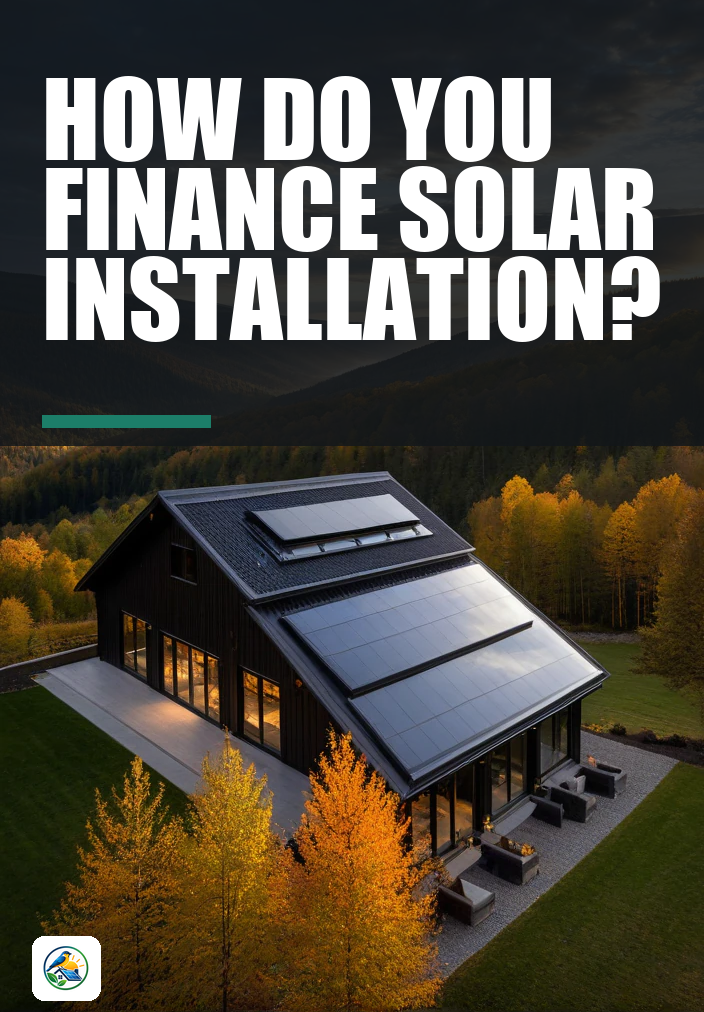
Understanding Your Solar Financing Options
As a U.S. homeowner considering a professionally installed rooftop solar system, understanding your financing options is critical to making an informed decision. The right financing can significantly impact your overall investment and your system’s long-term viability. This article will explore various solar financing options, their advantages and disadvantages, and key considerations to keep in mind as you embark on your solar installation journey.
Types of Solar Financing Options
When it comes to financing your solar installation, there are several options to consider. Each option has its unique characteristics, and the best choice for you will depend on your financial situation, your long-term goals, and the specifics of your home and energy needs.
1. Cash Purchase
Paying cash for your solar system is the most straightforward option. By paying upfront, you own the system outright from day one. This option comes with several benefits, including:
- No monthly payments: You eliminate financing costs and increase your return on investment.
- Full control: You have complete ownership of your system and can take advantage of any available tax credits or incentives.
- Long-term savings: While the initial investment may be high, owning your system can lead to significant savings on your energy bills over time.
However, the cash purchase method requires a substantial upfront payment, which may not be feasible for all homeowners.
2. Solar Loans
Solar loans allow you to finance your solar system with monthly payments, similar to a car loan or mortgage. These loans can be secured or unsecured, and they often come with fixed interest rates. Key benefits include:
- Lower upfront costs: You can install solar without a large initial investment, making it more accessible.
- Ownership benefits: Like cash purchases, you retain ownership of the system, allowing you to take advantage of tax credits and incentives.
- Flexible terms: Loan terms can vary, allowing you to choose what works best for your financial situation.
On the downside, loans require monthly payments, which can impact your cash flow. Additionally, interest rates may vary based on your creditworthiness.
3. Leases and Power Purchase Agreements (PPAs)
Leasing your solar system or entering a Power Purchase Agreement (PPA) are two alternatives that allow you to use solar energy without purchasing the system outright. With these options, you make monthly payments to the solar provider, who retains ownership of the system. Here’s what to consider:
- No upfront costs: Leasing or PPAs typically require little to no initial payment, making them appealing for homeowners who can’t afford a cash purchase.
- Maintenance included: The solar provider is responsible for system maintenance and performance.
- Predictable costs: Your payments are usually fixed, which can help with budgeting.
However, leasing or PPAs come with downsides, such as:
- No ownership benefits: You won’t qualify for the federal tax credit or other incentives since you don’t own the system.
- Limited financial gain: Your long-term savings may be less compared to owning the system, as you won’t benefit directly from energy savings.
Factors to Consider When Choosing a Financing Option
Before deciding on a financing option, consider the following factors:
- Your budget: Assess how much you can afford to spend upfront and what monthly payments you can manage.
- Home value and equity: If you have significant equity in your home, a cash purchase or loan may be more feasible.
- Tax incentives: Determine if you qualify for federal, state, or local incentives that can influence your decision.
- Energy needs: Evaluate your energy usage and how a solar system can meet your needs, impacting the size and cost of your installation.
- Future plans: Consider how long you plan to stay in your home. If you plan to move soon, leasing or a PPA may be more beneficial.
Professional Quotes and Assessments
Once you’ve considered your financing options, it’s time to gather quotes from qualified solar installers. A professional assessment will provide valuable insights into:
- System size: Installers can evaluate your energy needs and recommend an appropriately sized solar system.
- Installation costs: You’ll receive itemized quotes that allow for easy comparison of different financing options.
- Potential incentives: Installers can help you navigate local, state, and federal incentives available in your area.
- Permitting and interconnection: Professional installers will understand local regulations and can assist with the permitting process.
Next Steps
As you move forward with your solar installation journey, take the time to compare itemized quotes from qualified installers. Understanding the details of financing options, along with your specific home needs, will help you make an informed choice. Always verify current local utility, installer, government, or tax information to ensure you make the best decision for your situation. Solar energy can be a valuable investment, but be sure to evaluate all aspects carefully before making the leap.


















