Understanding Whole Home and Essential Load Backup Options for Solar Systems
As homeowners consider transitioning to solar energy, one of the most significant decisions they face is whether to pursue whole home backup options or focus on essential load backup for their solar systems. The right choice depends on individual energy needs, lifestyle, and budget. This article explores these options, their trade-offs, and key considerations for homeowners.
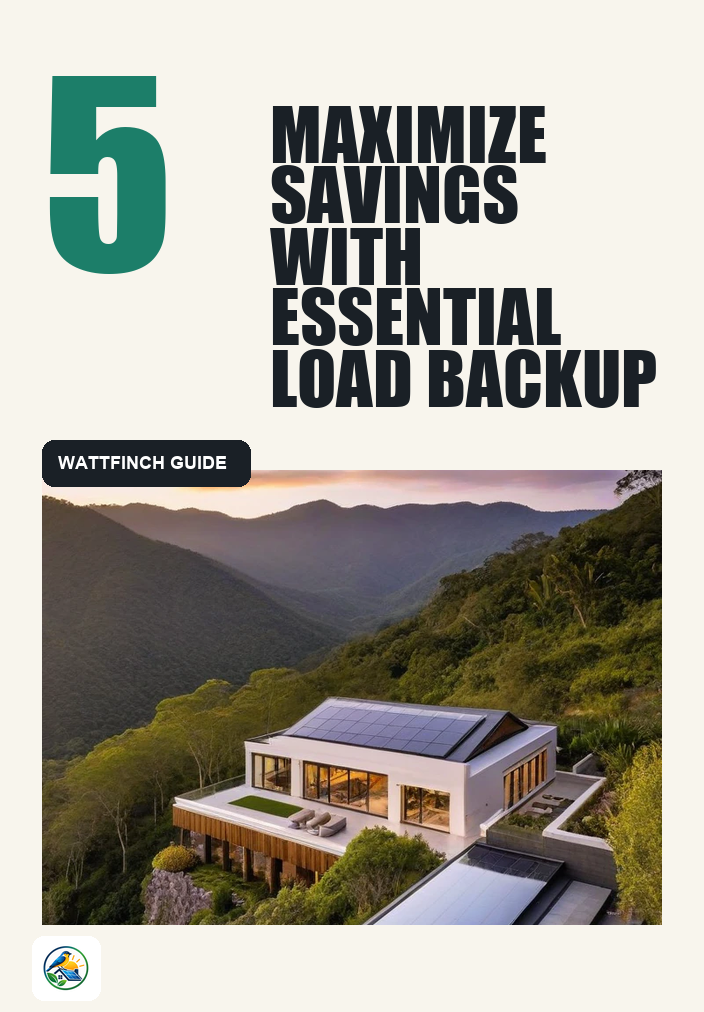
Whole Home Backup vs. Essential Load Backup
When integrating solar energy with battery systems, homeowners can choose between two primary backup configurations: whole home backup and essential load backup. Understanding the difference between these two options is crucial for making an informed decision.
Whole Home Backup
Whole home backup allows homeowners to connect their entire electrical system to a battery backup. In the event of a power outage, this option provides uninterrupted power for all appliances and devices. However, it requires a larger battery system and more extensive installation.
- Pros:
- Power for all appliances, including HVAC systems, refrigerators, and more.
- Convenience during outages, as no changes in behavior are needed.
- Greater flexibility for energy use during emergencies.
- Cons:
- Higher initial investment due to larger battery systems.
- Potential need for electrical upgrades, depending on the home’s existing setup.
- More complex installation and maintenance requirements.
Essential Load Backup
Essential load backup, on the other hand, is designed to power only critical appliances during a power outage. This typically includes lights, a refrigerator, and medical equipment, while non-essential loads like heating and cooling might not be included.
- Pros:
- Lower upfront costs due to smaller battery capacity requirements.
- Simple installation, as it often requires fewer modifications to your existing electrical system.
- Efficient use of energy, as the system focuses on critical needs.
- Cons:
- Limited power supply may leave some appliances unusable during an outage.
- Homeowners may need to adjust their behavior during outages, prioritizing essential appliances.
- May not provide enough power for larger homes or high-energy needs.
Key Considerations for Homeowners
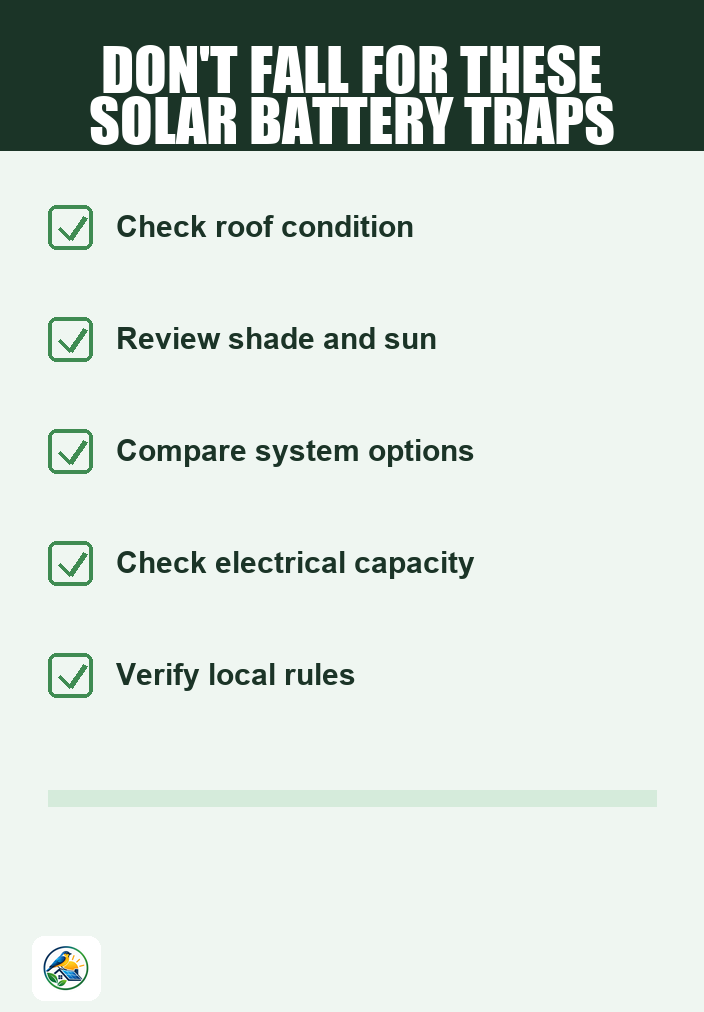
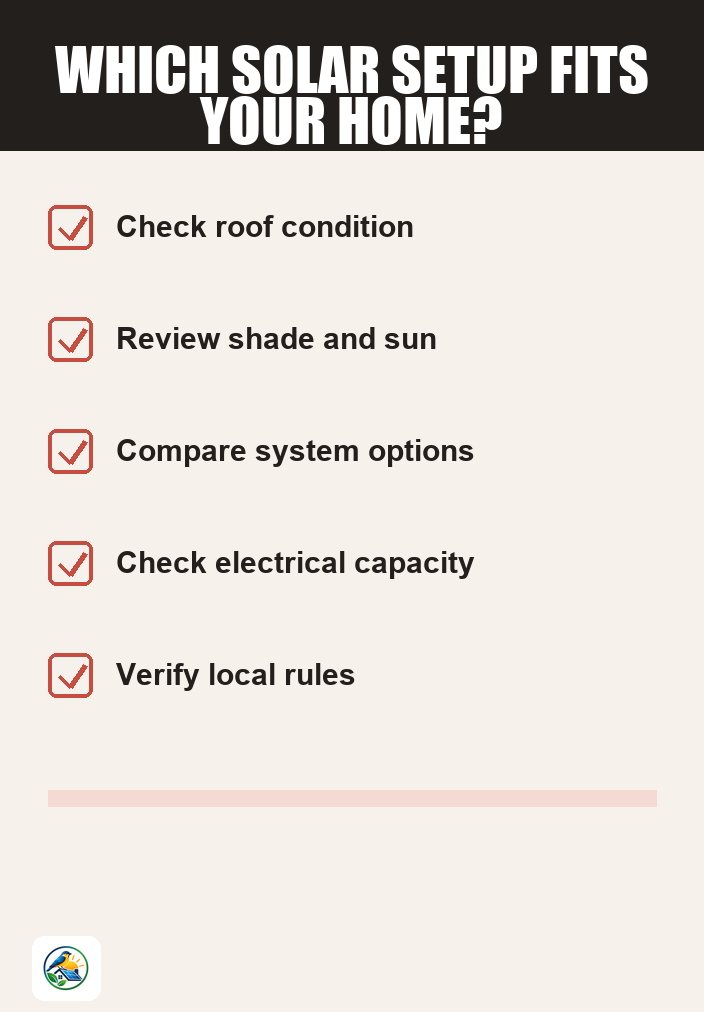
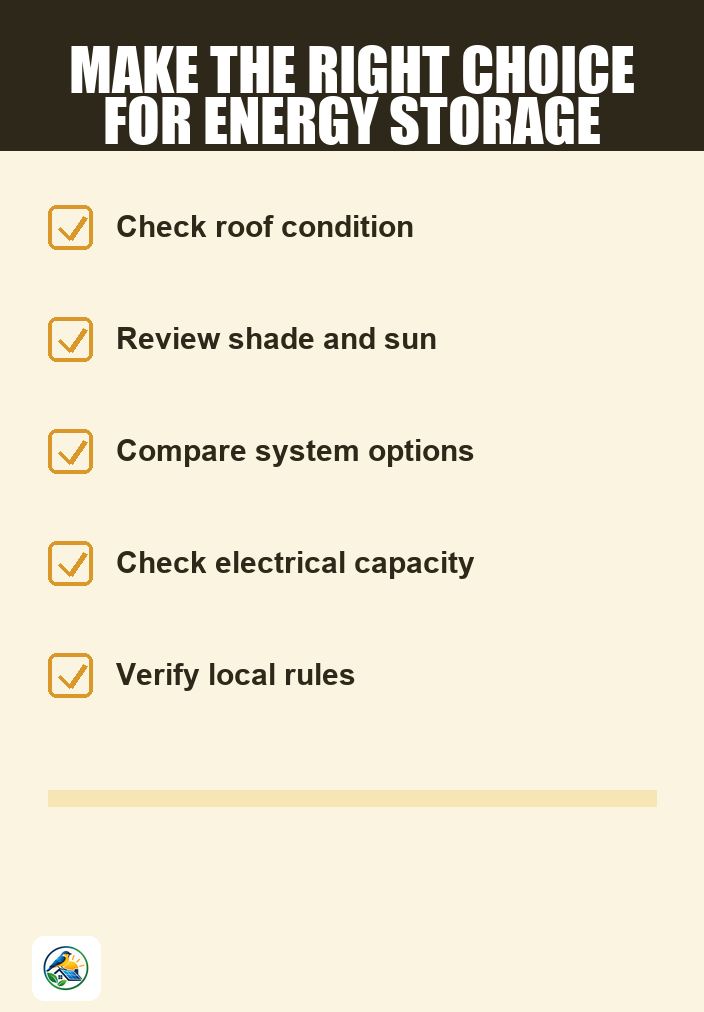
Deciding between whole home and essential load backup involves several key considerations. Here are some factors to weigh in your decision-making process:
Energy Needs Assessment
Start by evaluating your energy needs. List all the appliances and devices you rely on and their power requirements. This will help you determine whether essential load backup will suffice or if whole home backup is necessary. For example, a family with medical devices that require constant power might prioritize whole home backup, while a couple living in a small home might find an essential load system sufficient.
Budget and Financial Considerations
Cost is a major factor when installing a solar system with battery backup. Whole home backup systems tend to be more expensive due to larger batteries and potentially more complex installations. Essential load systems, while cheaper, might not meet all your power needs. Before making a decision, consider obtaining itemized quotes from qualified solar installers to understand the financial implications.
Roof Condition and Orientation
The condition and orientation of your roof can impact the effectiveness of your solar system. A roof that is shaded or in poor condition may not support optimal solar production, which is critical for both whole home and essential load systems. If your roof requires repairs or replacement, this should be factored into your solar planning.
Local Utility Rules and Incentives
Utility policies regarding net metering, interconnection, and battery storage can vary significantly by location. Before committing to a solar system, check with local utilities to understand any relevant rules or incentives. Additionally, verify current federal, state, and local tax incentives with a tax professional, as these can affect the overall cost of your solar investment.
Comparing Backup Options
When comparing whole home and essential load backup options, consider the following:
- Power Requirements: Calculate the total wattage needed for essential appliances versus the entire home.
- System Size: Determine the battery size required for both options based on your energy assessment.
- Installation Complexity: Assess how each option will affect your current electrical system and any necessary upgrades.
- Future Needs: Consider your future energy usage and whether your needs may change over time.
Next Steps for Homeowners
After exploring whole home and essential load backup options, the next step is to gather quotes from qualified solar installers. Ensure that each quote includes detailed information about system size, battery capacity, installation costs, and any relevant permits or inspections. Comparing itemized quotes will help you make a well-informed decision that aligns with your energy needs and budget.
As you weigh your options, remember that solar energy can be a valuable investment, but it requires careful planning and consideration of your unique circumstances. Take the time to explore all available options, and don’t hesitate to consult with professionals to ensure you make the best choice for your home.