
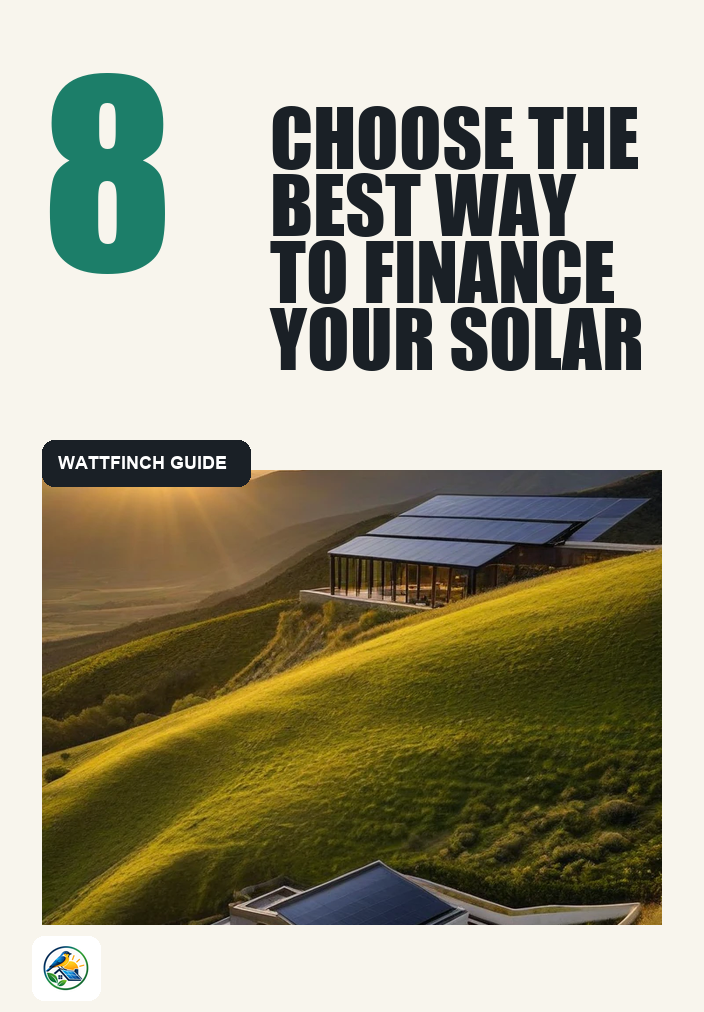
Understanding Your Financing Options for Solar Panels on Steep Roofs
As a homeowner considering the installation of solar panels on a steep roof, one of the crucial decisions you’ll face is how to finance your solar system. The two primary options available are leasing and purchasing the solar panels outright. Each choice comes with its own set of advantages and disadvantages, and the right decision for you will depend on several factors, including your financial situation, long-term plans, and the specific characteristics of your home. In this article, we’ll explore these financing options and help you assess which may be best for your steep-roof solar installation.
Leasing Solar Panels: An Overview
Leasing solar panels allows you to install a solar energy system without the upfront costs typically associated with purchasing. In a lease, you pay a fixed monthly fee to use the solar panels installed on your roof. This option can be appealing for homeowners who prefer not to make a large investment upfront.
Advantages of Leasing
- No Upfront Costs: Leasing often requires little to no down payment, making solar energy accessible even for those who may not have significant savings.
- Maintenance Included: Many lease agreements include maintenance and monitoring services, reducing your responsibility for system upkeep.
- Tax Benefits for Lessors: The leasing company typically receives any available tax credits and incentives, which may allow them to offer lower monthly payments.
Disadvantages of Leasing
- No Ownership: At the end of the lease term, you do not own the solar panels, which may limit your long-term savings.
- Potential for Higher Long-Term Costs: Over time, lease payments may exceed the cost of purchasing a system outright, depending on your lease terms.
- Restrictions on Modifications: Leased systems may come with restrictions on how you can modify or upgrade your solar setup.
Purchasing Solar Panels: An Overview
When you purchase solar panels, you own the system outright. This option usually involves a significant upfront investment but can lead to substantial long-term savings and benefits.
Advantages of Purchasing
- Ownership and Control: Owning your solar system allows you to control its performance, maintenance, and any future upgrades.
- Potential for Increased Property Value: Many homeowners find that solar panels add value to their property, which can be beneficial if you plan to sell in the future.
- Tax Benefits: When you purchase solar panels, you may be eligible for tax credits and incentives, which can significantly reduce your overall costs.
Disadvantages of Purchasing
- Higher Upfront Costs: The initial investment can be substantial, which may be a barrier for some homeowners.
- Maintenance Responsibility: As the owner, you are responsible for any maintenance or repairs needed for the system.
- Financing Costs: If you choose to finance your purchase with a loan, you may incur interest charges, adding to the overall cost.
Key Considerations for Steep Roofs
When installing solar panels on a steep roof, several additional factors come into play that can influence your financing decision.
Roof Condition and Orientation
The condition of your roof is critical. A steep roof may require specialized installation techniques, which can increase installation costs. Additionally, the orientation and shading of your roof can affect energy production, influencing whether you benefit more from leasing or purchasing.
Local Regulations and Utility Policies
Before deciding on financing, familiarize yourself with local regulations, utility policies, and incentive programs. These can vary widely by location and can impact both leasing and purchasing options. For example, some areas may offer net metering, which allows you to sell excess energy back to the grid, potentially enhancing your return on investment if you purchase.
Future Plans
Consider your long-term plans for your home. If you intend to move in the next few years, leasing may be more appropriate, as it often offers more flexibility. Conversely, if you plan to stay long-term, purchasing could provide greater financial benefits through ownership and potential appreciation in property value.
Comparing Costs and Benefits
To make an informed decision, it’s helpful to compare the total costs of leasing versus purchasing. Here’s a simple checklist to guide your evaluation:
- Calculate the total cost of leasing over the lease term, including monthly payments and any potential fees.
- Estimate the total cost of purchasing, including installation, any financing fees, and potential maintenance costs.
- Research local incentives and tax credits available for both leasing and purchasing.
- Consider potential energy savings and how they might offset costs in both scenarios.
- Consult with qualified solar installers for itemized quotes that reflect your specific roof characteristics and energy needs.
Next Steps
Deciding between leasing and purchasing solar panels for a steep roof involves careful consideration of your financial situation, long-term plans, and the unique characteristics of your home. Consulting with qualified solar installers can provide clarity on your options and help you make an informed decision. Be sure to compare itemized quotes from different installers, which can reveal the true costs and benefits associated with each financing option.
Remember to verify current local utility, installer, government, or tax information, as costs and incentives can change over time. Taking the time to analyze your choices will empower you to select the most suitable financing route for your solar energy needs.


















