
Ground Mounted vs. Roof Mounted Solar Installation: Which Option Fits Your Home?
As more U.S. homeowners look to solar energy as a sustainable and potentially cost-effective power source, the decision between ground-mounted and roof-mounted solar installations becomes increasingly relevant. Each option has its advantages and trade-offs, and understanding these can help you determine which solution might best fit your home and lifestyle.
Understanding Ground-Mounted Solar Systems
Ground-mounted solar installations involve placing solar panels on a frame or structure installed directly onto the ground. This option is often chosen by homeowners who have ample yard space and prefer not to alter their roof structure. Here are some key considerations:
Advantages of Ground-Mounted Systems
- Flexibility in Placement: Ground-mounted systems can be placed in the most optimal position for sunlight exposure, away from shade from trees or buildings.
- Ease of Maintenance: Accessing ground-mounted panels is generally easier, making cleaning and maintenance more straightforward.
- Larger System Capacity: If your energy needs are significant, ground-mounted systems can accommodate more panels without the space limitations of a roof.
Drawbacks of Ground-Mounted Systems
- Space Requirements: Not all homeowners have sufficient yard space, and local zoning laws might restrict installations.
- Higher Installation Costs: Ground-mounted systems often incur additional costs for the framing and installation process.
- Potential for Soil Erosion: Depending on the installation site, there may be concerns about soil stability and erosion.
Exploring Roof-Mounted Solar Systems
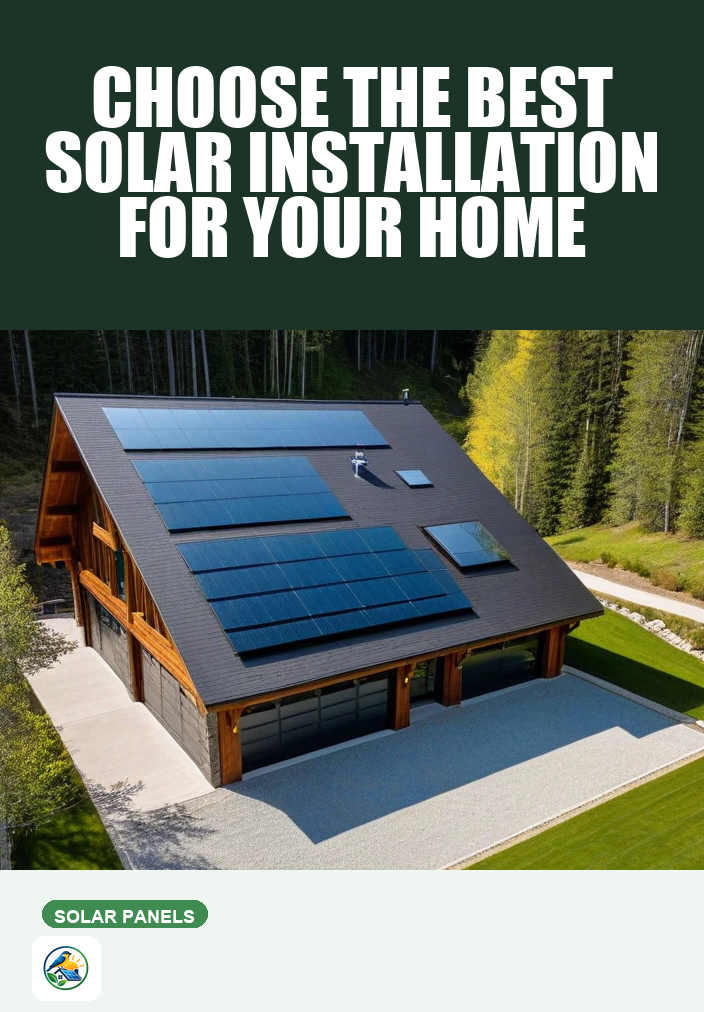
Roof-mounted solar panels are installed directly onto your home’s existing roof structure. This option is popular among homeowners who want to utilize their roof space without sacrificing yard area. Here are some essential factors to consider:
Advantages of Roof-Mounted Systems
- Space Efficiency: Utilizing your roof means you can save your yard for other uses, such as gardening or recreation.
- Lower Installation Costs: Generally, roof-mounted systems are less expensive to install than ground-mounted systems since they require less structural work.
- Aesthetic Integration: Many homeowners prefer the look of panels on their roof, which can blend seamlessly with the home’s architecture.
Drawbacks of Roof-Mounted Systems
- Roof Condition and Age: If your roof is older or in poor condition, you may need to invest in repairs or replacements before installation.
- Shade and Orientation Issues: Roofs may be partially shaded by nearby trees or structures, reducing the system’s efficiency.
- Limited Capacity: The size of the roof can limit the number of panels you can install, which may not meet all your energy needs.
Key Considerations for Homeowners
When deciding between ground-mounted and roof-mounted solar systems, take the following factors into account:
1. Property Layout and Space
Evaluate your property’s layout. Do you have ample space in your yard, or is your roof the most viable option? Homes with large, unobstructed yards may benefit from ground-mounted systems, while those with limited outdoor space might find roof-mounted installations more practical.
2. Roof Condition
Inspect your roof’s condition. If it requires repairs or is nearing the end of its lifespan, consider addressing these issues before investing in solar. A new roof can last longer than a solar panel system, so it may be wise to ensure your roof is in good shape first.
3. Energy Needs and Usage
Consider your energy consumption. If you have high energy demands, ground-mounted systems might better accommodate your needs. Conversely, if your energy use is moderate, a roof-mounted system could suffice.
4. Local Zoning and Building Codes
Check with your local government about zoning laws and building codes. Some areas have restrictions on ground-mounted installations, such as setbacks from property lines or height limitations.
5. Aesthetic Preferences
Consider how each option aligns with your aesthetic preferences. Ground-mounted systems can be quite visible, while roof-mounted systems can be more discreet.
When to Consult a Professional Installer
To make an informed decision, it’s advisable to consult a professional solar installer. They can assess your property, provide detailed quotes, and help you understand the permitting process specific to your location. Getting itemized quotes will allow you to compare installation costs, system capacity, and potential energy production for both options.
Next Steps for Homeowners
Choosing between ground-mounted and roof-mounted solar installations is a significant decision that should align with your unique circumstances. Here’s a practical checklist to guide you:
- Evaluate your property layout and available space.
- Inspect your roof’s condition and age.
- Understand your energy consumption and needs.
- Research local zoning laws and building codes.
- Determine your aesthetic preferences and priorities.
- Contact qualified solar installers for detailed quotes and professional evaluations.
Ultimately, both ground-mounted and roof-mounted solar systems can provide clean, renewable energy. By weighing the pros and cons of each option and considering your unique circumstances, you can make a more informed decision that fits your home and lifestyle.


















