
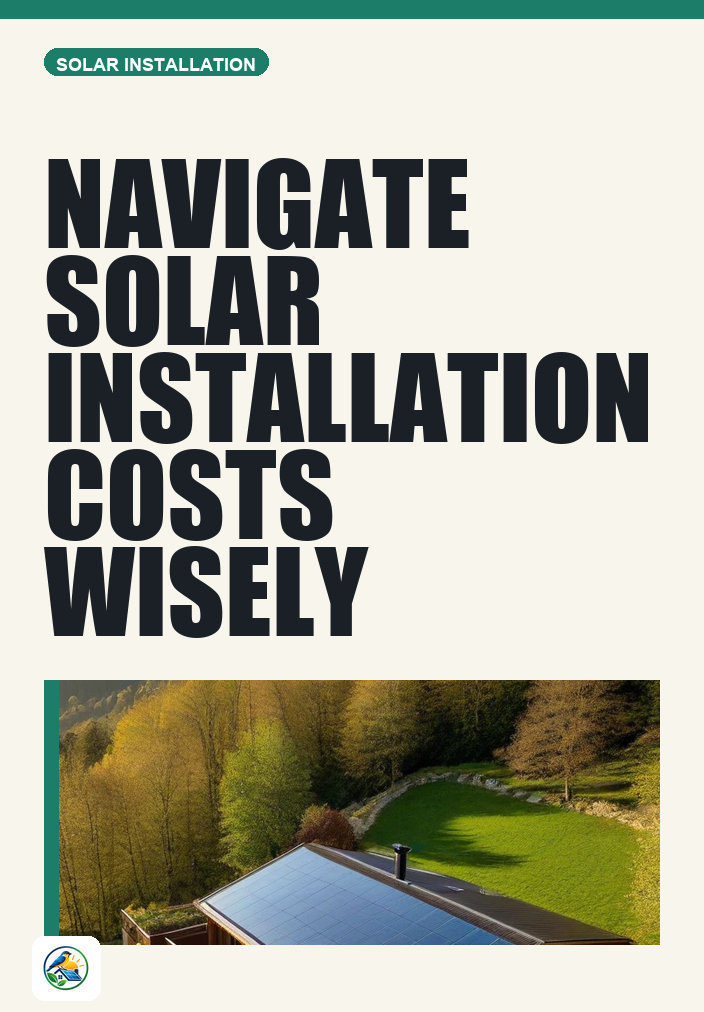
Understanding Installation Costs When Choosing a Solar Installer for Your New Home
For many homeowners, installing a solar energy system can be a significant investment, offering long-term benefits and sustainability. However, understanding the installation costs associated with solar energy can be complex. This article aims to clarify the various costs involved and important considerations when selecting a solar installer for your new home.
Breaking Down Solar Installation Costs
When assessing the costs of a solar installation, it’s essential to understand the various components that contribute to the overall price. Here are the primary factors influencing solar installation costs:
- Equipment Costs: This includes solar panels, inverters, mounting hardware, and any additional components like battery storage. The type and quality of equipment can significantly affect the total cost.
- Labor Costs: Professional installation requires skilled labor. Labor costs can vary based on your location, the complexity of the installation, and the installer’s expertise.
- Permitting and Inspection Fees: Local governments often require permits for solar installations, which may involve fees. Inspections to ensure compliance with local codes can also add to your costs.
- Interconnection Costs: If you are connecting your solar system to the grid, there may be fees associated with interconnection. This process allows you to sell excess energy back to the grid.
- Financing Costs: If you choose to finance your solar system, consider the interest rates and terms associated with loans or leases, which can add to the overall cost.
Evaluating Your Home’s Solar Suitability
Before seeking quotes from installers, it’s crucial to evaluate your home’s suitability for solar energy. Here are some factors to consider:
- Roof Condition: Ensure your roof is in good condition and can support the weight of solar panels. If your roof needs repairs or replacement, factor in those costs.
- Orientation and Shade: Ideally, your roof should face south or southwest to maximize sunlight exposure. Shade from trees or nearby buildings can significantly reduce solar efficiency.
- Electrical System Upgrades: Some homes may require electrical system upgrades to accommodate solar energy, which can add to your installation costs.
- Local Climate: Your local climate affects the solar energy production potential. Areas with more sunlight generally yield better energy production.
- Future Plans: Consider how long you plan to stay in your home. If you intend to move soon, the investment may not provide a favorable return.
Comparing Installer Quotes
Once you have a good understanding of your home’s suitability for solar and the costs involved, the next step is to obtain and compare quotes from different solar installers. Here’s what to look for:
Itemization
Request itemized quotes that break down the costs for equipment, labor, permits, and any additional fees. This transparency will allow you to see where your money is going and help differentiate between installers.
Experience and Reputation
Check the experience of each installer. Look for reviews, testimonials, and any certifications or affiliations with professional organizations. A reputable installer should have a track record of successful installations in your area.
Warranties and Maintenance
Inquire about warranties for both equipment and installation. A good warranty can provide peace of mind and protect your investment. Additionally, discuss any maintenance services offered, as solar systems may require periodic checks to ensure optimal performance.
Understanding Incentives and Financing Options
Incentives can play a significant role in reducing the upfront costs of solar installation. However, these incentives can vary widely based on your location, and it’s important to verify current offerings. Here are some common types of incentives:
- Federal Tax Credit: The federal government often provides tax incentives for solar installations, but eligibility and amounts can change. Verify the current status before making decisions.
- State and Local Incentives: Many states and municipalities offer additional incentives. Check with local government or energy agencies for available programs.
- Utility Rebates: Some utility companies may provide rebates for solar installations or offer net metering programs that allow you to benefit from excess energy produced.
The Role of Battery Storage
If you’re considering adding battery storage to your solar system, be aware that this will increase your installation costs. Battery systems can provide backup power during outages and allow you to store energy for use when the sun isn’t shining. However, they also require additional consideration in terms of:
- Cost: Batteries can be expensive, and their prices vary widely based on capacity and technology.
- Maintenance: Battery systems may require maintenance and have a limited lifespan, which can impact long-term costs.
Next Steps for Homeowners
Choosing to install solar energy in your new home is a significant decision that requires careful consideration of installation costs and other factors. Here are some practical next steps:
- Evaluate Your Home: Assess your roof condition, orientation, and shading to determine solar suitability.
- Research Local Installers: Look for qualified solar installers in your area and check their reviews and experience.
- Obtain Multiple Quotes: Get itemized quotes from several installers to compare costs and services.
- Verify Incentives: Research current local and federal incentives to understand potential financial benefits.
By taking these steps, you can make informed decisions about solar installation that align with your home’s needs and your financial situation. Always prioritize obtaining detailed information from installers to ensure you choose the best system for your circumstances.


















