
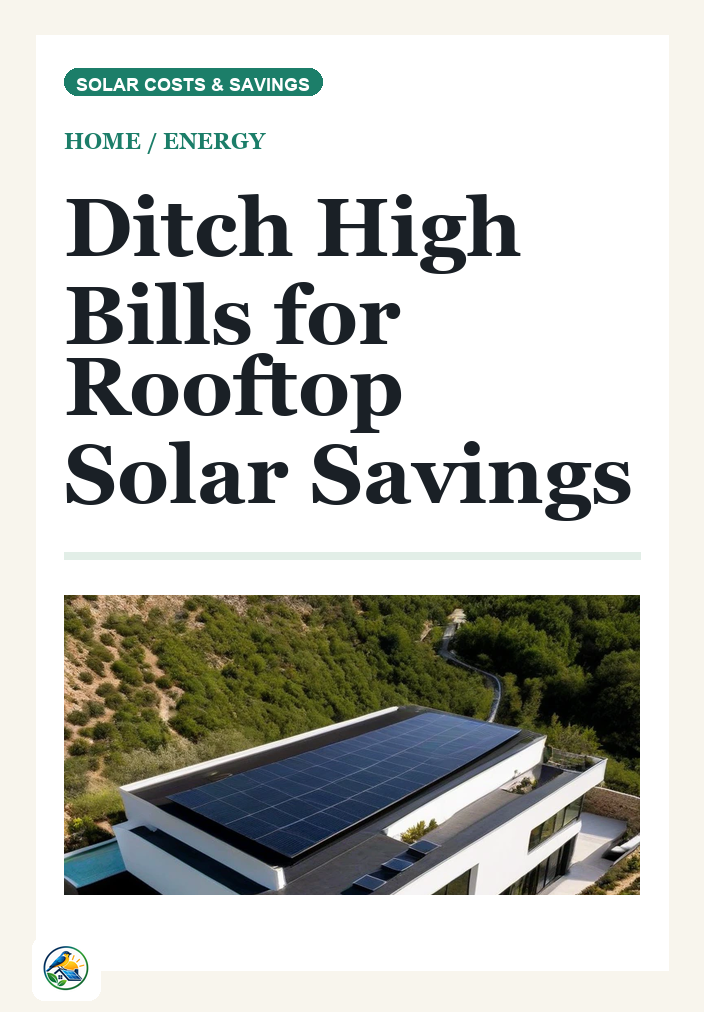
High Electricity Bills? Why Solar Might Be Your Most Surprising Solution
If you’ve recently opened your electricity bill and felt a wave of disbelief, you’re not alone. Rising energy costs are a reality for many U.S. homeowners, and the search for solutions can feel overwhelming. One option that often flies under the radar is solar energy. While it may seem like a complex and costly endeavor, solar power could be a surprising solution to your high electricity bills. Let’s explore how it works, the options available, and what considerations you should keep in mind as you weigh this choice.
Understanding Solar Energy for Your Home
At its core, residential solar energy involves harnessing sunlight through photovoltaic (PV) panels installed on your roof or property. The electricity generated can directly power your home, potentially reducing or even eliminating your dependence on traditional utility services. However, it’s essential to understand the different configurations available, as well as the associated costs and benefits.
Grid-Tied vs. Off-Grid Systems
- Grid-Tied Systems: These are the most common solar installations, connected to the local utility grid. They allow you to draw power from the grid when your solar panels aren’t producing enough electricity, such as at night or during cloudy days. If your system generates more power than you use, you may receive credits through net metering, depending on your utility’s policies.
- Off-Grid Systems: These systems are not connected to the utility grid and require batteries to store energy for use when solar production is low. They can provide energy independence but often come with higher upfront costs and maintenance requirements.
Battery Backup Systems
Adding a home battery system to your solar setup can enhance your energy independence. These batteries store excess energy generated during the day for use at night or during outages. While they can provide peace of mind, they also introduce additional costs and may have limitations regarding capacity and lifespan. It’s crucial to determine whether a battery system aligns with your energy needs and budget.
Evaluating Your Home’s Suitability for Solar
Not every home is an ideal candidate for solar energy. Before moving forward, it’s important to consider several factors that can affect the feasibility and effectiveness of a solar installation.
Roof Condition and Orientation
Your roof plays a significant role in the performance of a solar system. If your roof is old or in need of repairs, it may be wise to address those issues before investing in solar panels. Additionally, the orientation and angle of your roof can impact energy production. South-facing roofs typically receive the most sunlight, while shaded areas or roofs with steep angles may generate less energy.
Local Climate and Weather Patterns
Your local climate will also affect the efficiency of your solar system. Homes in sunny regions tend to benefit more from solar energy, while those in areas with frequent rain or snow might see reduced energy production. Understanding these climate factors can help you set realistic expectations for energy output.
The Cost of Going Solar
While the initial investment in solar can be significant, many homeowners find that the long-term savings on electricity bills can offset this expense over time. However, costs vary widely based on location, system size, and local incentives. Here are some considerations:
- Installation Costs: The price of solar panel installation includes the cost of equipment, labor, and any necessary permits. Obtaining multiple quotes from qualified installers can help you understand the market rate in your area.
- Financing Options: Homeowners often have several financing options, including cash purchases, loans, and leases. Each option has its pros and cons, and it’s important to consider which aligns best with your financial situation.
- Incentives and Rebates: Federal, state, and local incentives can significantly reduce the cost of solar installation. However, these incentives can change over time, so it’s crucial to verify current offerings with local authorities or tax professionals.
Assessing Your Energy Needs
Before committing to a solar installation, it’s essential to assess your home’s energy usage. Review your electricity bills from the past year to determine your average consumption. This will help you understand what size solar system you might need. Consider the following:
- Peak Usage Times: Identify when you use the most electricity. If your consumption is highest during the day, a solar system can directly offset these costs.
- Future Energy Needs: If you plan to add electric vehicles, appliances, or expand your home, factor in those future energy needs when sizing your system.
Next Steps: Making an Informed Decision
Transitioning to solar energy can be a significant decision, and it’s essential to gather as much information as possible. Here are some practical next steps:
- Research local solar installers and read reviews to find qualified professionals in your area.
- Request itemized quotes from multiple installers to compare costs, equipment quality, and warranties.
- Consult with a financial advisor or tax professional to understand available incentives and financing options.
- Evaluate your home’s suitability for solar, considering roof condition, orientation, and energy needs.
High electricity bills can be daunting, but exploring solar energy may provide a surprising solution. By understanding your options and gathering the right information, you can make a more informed decision about whether solar is the right fit for your home.


















