
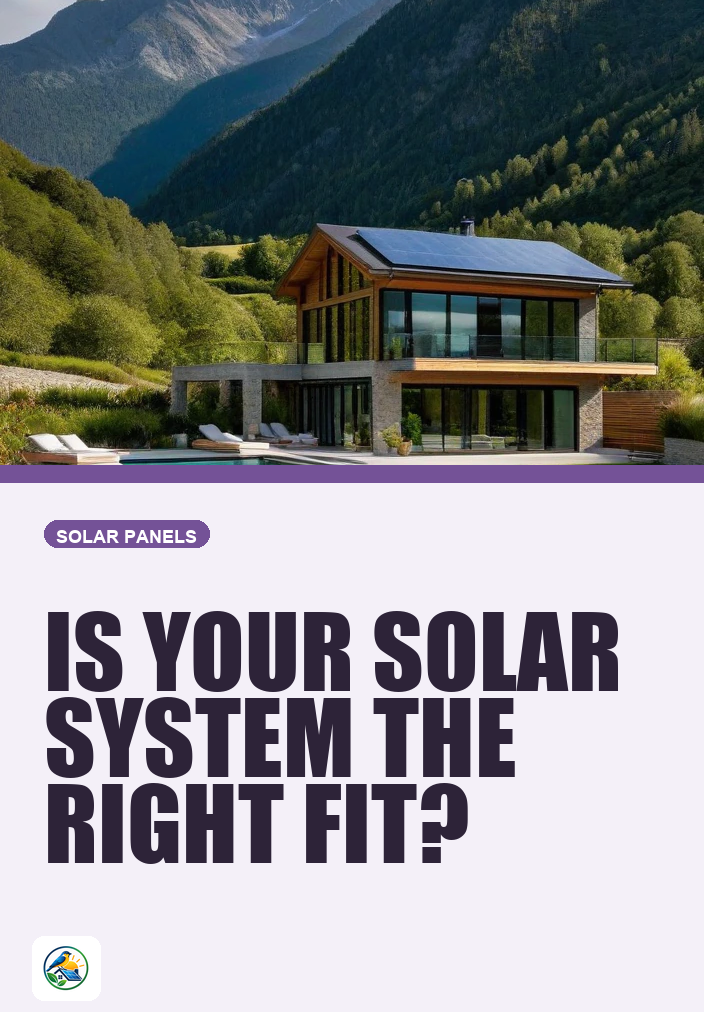
Understanding Solar Panel System Sizing
When considering a solar panel system for your home, determining the right size is crucial. The appropriate size affects your energy production, potential savings, and the overall effectiveness of your solar investment. However, sizing a solar panel system isn’t a one-size-fits-all process; it involves several factors unique to your household, energy needs, and property characteristics.
Assessing Your Energy Consumption
The first step in sizing your solar panel system is understanding how much electricity you consume. Start by reviewing your utility bills for the past year. Look for the following:
- Monthly Usage: Note your average monthly energy consumption, usually measured in kilowatt-hours (kWh).
- Seasonal Variations: Identify any seasonal fluctuations in your energy use, such as higher consumption during summer months due to air conditioning or winter months due to heating.
- Future Changes: Consider any anticipated changes in your lifestyle that may affect energy use, such as adding an electric vehicle, expanding your family, or investing in new appliances.
Once you have a good grasp of your energy consumption, you can better estimate the size of the solar panel system you may need.
Estimating Solar Panel System Size
To determine the size of the solar panel system that matches your energy needs, you can use a simple calculation. The general formula is:
Total System Size (kW) = Monthly Energy Consumption (kWh) / (Average Sun Hours per Day x 30)
Here’s how to break it down:
- Average Sun Hours: This varies by location and time of year. Research the average sun hours per day for your area. You can find this information from local weather services or solar calculators.
- System Efficiency: Account for system losses (typically around 15-20% due to factors like inverter efficiency and shading).
For example, if your monthly energy consumption is 900 kWh, and you receive an average of 5 sun hours a day, the calculation would be:
Total System Size = 900 kWh / (5 hours x 30 days) = 6 kW
Understanding Roof Characteristics
Your roof plays a significant role in determining the feasibility and efficiency of a solar panel installation. Consider the following factors:
- Orientation: South-facing roofs generally receive the most sunlight, making them ideal for solar installations. East and west-facing roofs can also work but may produce less energy.
- Roof Age and Condition: If your roof requires repairs or replacement, it’s wise to address these issues before installing solar panels.
- Available Space: Ensure you have enough square footage for the number of panels you’ll need. Standard panels are around 17-20 square feet each.
- Shade: Trees, buildings, or other obstructions can cast shadows on your roof, reducing solar efficiency. Conduct a shade analysis or consult with a professional installer.
Considering Battery Storage Options
If you’re contemplating adding a home battery to your solar panel system, this will affect the overall system size and design. Batteries can store excess energy produced during the day for use at night or during power outages. When sizing your system with a battery in mind, consider:
- Daily Usage: Determine how much energy you want to store for nighttime or backup use.
- Battery Capacity: Assess the capacity of the battery you’re considering—commonly measured in kilowatt-hours (kWh).
- Integration: Consult with your installer about how best to integrate battery storage with your solar system. This could impact the number of panels needed.
Local Regulations and Utility Policies
Before moving forward, familiarize yourself with local regulations, utility policies, and any incentives that may affect your solar installation. Key considerations include:
- Permitting: Check with your local authorities about any permits required for solar panel installation.
- Interconnection: Understand the process and rules for connecting your solar system to the grid.
- Net Metering: Investigate whether your utility offers net metering, which can allow you to receive credits for excess solar energy fed back into the grid.
- Incentives: Research any applicable federal, state, or local incentives that might help offset installation costs. Verify current offerings through local government or utility websites.
Getting Professional Quotes
Once you have a good understanding of your energy needs, roof characteristics, and local regulations, it’s time to reach out to professional solar installers. Obtaining multiple quotes is essential for making an informed decision. When comparing quotes, consider the following:
- Itemization: Ensure each quote provides a detailed breakdown of equipment, labor, and any additional costs.
- System Design: Look for differences in system sizing based on your calculations and specifications.
- Warranties and Support: Evaluate the warranties offered on both equipment and installation services.
- Reviews and References: Research customer reviews and ask for references to gauge the installer’s reputation.
Next Steps
Determining the right size for your solar panel system is a multi-faceted process that requires careful consideration of your energy consumption, roof characteristics, and local regulations. Start by gathering your energy use data and assessing your roof’s suitability for solar. Once you have this information, reach out to qualified solar installers to get itemized quotes that will help you make an informed decision. Remember, solar isn’t the right fit for every home, so take the time to evaluate your unique situation.


















