
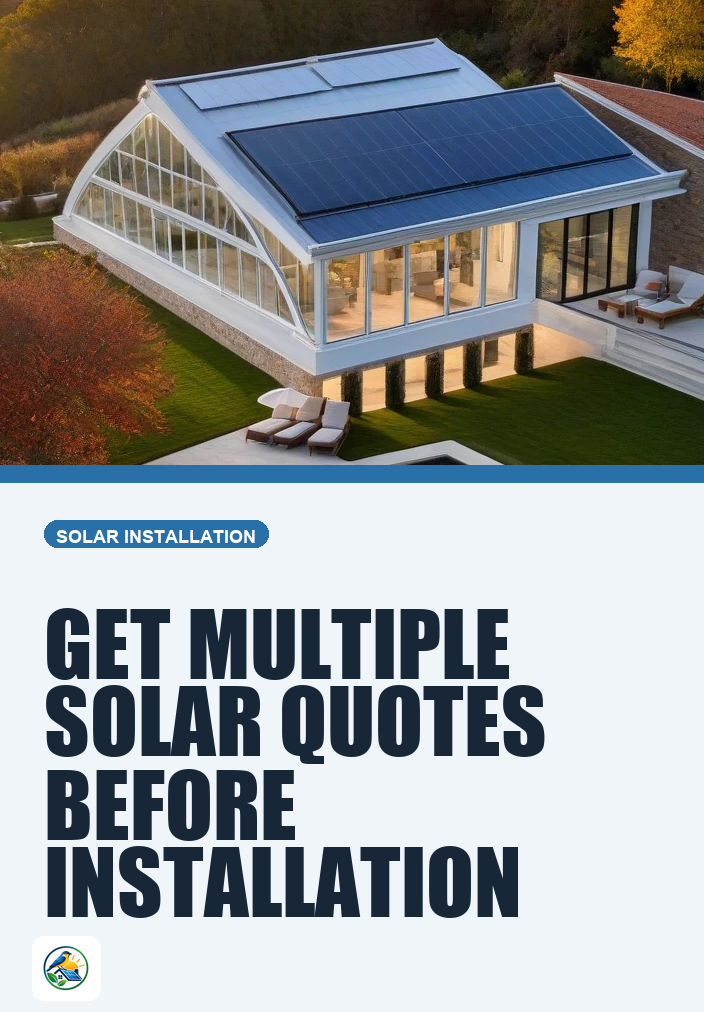
Understanding the Importance of Multiple Solar Quotes
When considering a residential rooftop solar system, obtaining multiple quotes is a crucial step in the decision-making process. Solar installation can be a significant investment, and comparing different proposals allows homeowners to assess their options effectively. However, navigating the solar market can be complex. This article will guide you through the process of obtaining and comparing solar quotes, ensuring you make an informed choice that aligns with your home’s unique needs.
Why You Should Get Multiple Quotes
Getting multiple quotes from different solar installers offers several advantages:
- Price Comparison: Different companies may offer varying prices for equipment and installation services.
- Equipment Choices: Installers often have different brands or types of panels and inverters, impacting performance and warranty.
- Installation Approaches: Each installer may have unique methods and timelines, affecting how the system is integrated with your home.
- Customer Service: Interacting with multiple companies provides insight into their customer service and responsiveness.
By gathering multiple quotes, you can better understand the market and find an option that suits your budget and preferences.
Key Considerations When Requesting Quotes
Before reaching out for quotes, it’s essential to prepare. Here are some considerations that can help you get the most accurate and relevant proposals:
1. Assess Your Home’s Solar Potential
Understanding your home’s solar potential is a crucial first step. Consider factors such as:
- Roof Condition: Ensure your roof is in good shape and can support solar panels.
- Orientation and Tilt: South-facing roofs typically receive the most sunlight, while shading from trees or buildings can affect energy production.
- Size: Know the square footage available for solar panels to help installers provide accurate estimates.
2. Identify Your Energy Needs
Gathering your past electricity bills can help you understand your energy consumption. Knowing your average monthly usage will allow installers to size the system appropriately. Consider whether you want to include battery backup options for energy storage, which adds complexity and cost to your installation.
3. Research Local Incentives and Regulations
Incentives for solar installations vary significantly by location. Research local, state, and federal programs that may apply to you. Be aware that some incentives require specific documentation or application processes, and their availability can change. Check with local utility companies about interconnection rules, net metering policies, and other regulations that could impact your installation.
What to Expect in Your Solar Quotes
When you receive quotes from installers, you should look for specific details in each proposal. Here are key elements to compare:
1. Itemized Costs
Ensure each quote includes a breakdown of costs, such as:
- Equipment costs (panels, inverters, racking)
- Installation labor fees
- Permitting and inspection costs
- Potential maintenance fees
2. Equipment Specifications
Compare the specifications of the solar panels and inverters proposed. Look for:
- Wattage and efficiency ratings of the solar panels
- Type of inverter (string, micro-inverter, or power optimizer)
- Warranty terms for both panels and inverters
3. Timeline for Installation
Each installer may have different timelines for completing the project. Clarify how long the installation process will take and when you can expect to see your system operational.
4. Financing Options
Solar installations can be financed in various ways, including cash purchases, loans, leases, or power purchase agreements (PPAs). Understanding the financing terms, interest rates, and payment structures in each quote is essential for budgeting.
Evaluating the Trade-offs
When comparing quotes, it’s important to recognize trade-offs. A lower price may come with less reputable equipment or installation practices, while a higher price could reflect superior service or higher-quality materials. Here are some factors to weigh:
- Quality vs. Cost: Sometimes, paying more upfront can lead to better long-term performance and fewer maintenance issues.
- Experience and Reputation: Research each company’s experience and customer reviews. An installer with a solid reputation may provide more reliable service.
- System Design: Some installers may offer custom designs that maximize your energy production potential, while others might provide cookie-cutter solutions.
Next Steps After Receiving Quotes
Once you have gathered and compared your quotes, take the time to analyze your options carefully. Here are some practical next steps:
- Review each quote thoroughly, focusing on itemized costs and equipment details.
- Contact installers for clarification on any uncertainties in their proposals.
- Discuss potential financing options and how they fit into your budget.
- Consider scheduling consultations with the top choices to gain further insight into their services.
As you move forward, remember that solar installation is a significant decision that should be based on thorough research and personal circumstances. By obtaining and comparing multiple quotes, you empower yourself to make a well-informed choice regarding your home’s solar energy system.


















