
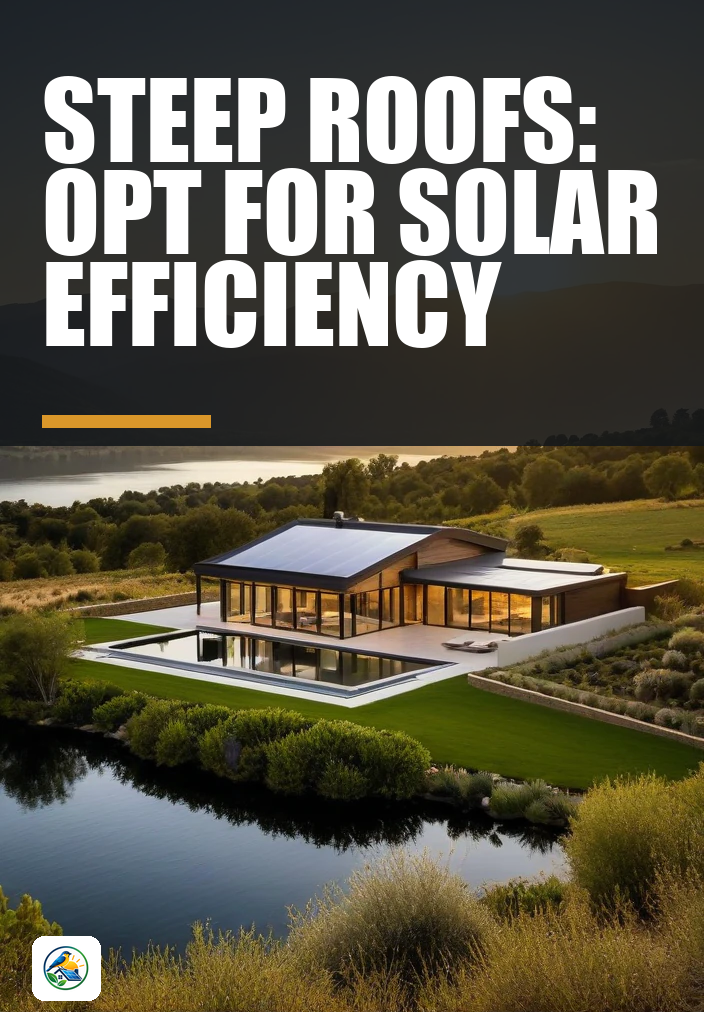
Understanding the Challenges of Installing Solar Panels on Steep Roofs
Installing solar panels on a steep roof presents a unique set of challenges and considerations. While steep roofs can offer excellent sun exposure, they also require specialized installation techniques to ensure safety, performance, and longevity. If you’re a U.S. homeowner contemplating a solar system for your steeply pitched roof, it’s essential to understand the various factors at play.
Assessing Your Roof’s Suitability for Solar Panels
Before diving into the installation process, assess whether your roof is suitable for solar panels. Here are key factors to consider:
- Roof Condition: Ensure your roof is in good shape. If it needs repairs or replacement, address those issues first.
- Orientation: South-facing roofs typically capture the most sunlight, but east and west-facing roofs can also be viable options.
- Shade: Check for nearby trees, buildings, or other obstructions that could cast shade on your roof during peak sunlight hours.
- Material: Different roofing materials (shingles, tiles, metal) affect the installation process and may require specific mounting systems.
Choosing the Right Installation Method for Steep Roofs
Once you’ve confirmed that your roof is suitable, the next step is to consider how the panels will be installed. Several methods can be effective for steep roofs, each with its trade-offs:
1. Fixed Mounting Systems
Fixed mounts are the most common installation method. These systems secure the solar panels at a fixed angle, optimizing sun exposure based on your roof’s pitch. However, installation on a steep roof may require additional safety measures for the installers, such as harnesses and scaffolding.
2. Ballasted Systems
Ballasted systems use weight to hold down the solar panels instead of penetrating the roof. This method can be beneficial for steep roofs, as it minimizes the risk of leaks. However, it may not be compatible with all roofing types, and local building codes should always be considered.
3. Adjustable Mounts
Adjustable mounts allow for tilting the panels to achieve the optimal angle for sunlight capture. While they can be beneficial for steep roofs, they may also increase installation complexity and costs.
Safety Considerations for Steep Roof Installations
Safety is a primary concern when installing solar panels on steep roofs. Installers must adhere to strict safety protocols to minimize risks. Here are some considerations:
- Proper Equipment: Installers should use appropriate safety gear, including harnesses, helmets, and scaffolding, to ensure a safe working environment.
- Roof Access: Ensure that the installation team has safe access to your roof, whether through ladders, scaffolding, or other means.
- Local Regulations: Be aware of local building codes and regulations that may affect the installation process.
Understanding the Costs and Trade-offs
The cost of installing solar panels on steep roofs can vary significantly based on several factors, including the roof’s size, pitch, chosen installation method, and local labor rates. Here are some cost considerations:
- Installation Complexity: Steep roofs may require additional labor and safety measures, leading to higher installation costs.
- Equipment Costs: The type of mounting system and solar panels chosen can impact overall costs.
- Permitting Fees: Check with local authorities on any permits required for installation, as these can add to the overall expense.
Combining Solar with Battery Storage
If you’re considering adding a home battery to your solar system, it’s essential to factor that into your overall plan. Batteries can store excess energy generated during the day for use at night or during outages. However, they also come with their own set of considerations:
- Cost: Battery systems can add significant upfront costs to your solar installation.
- Space Requirements: Ensure you have adequate space for the battery, which may need to be installed indoors or in a sheltered outdoor area.
- Compatibility: Not all solar systems are compatible with all battery types, so confirm compatibility with your installer.
Getting Professional Quotes and Evaluations
Before making any decisions, it’s wise to obtain multiple quotes from qualified solar installers who have experience with steep roofs. An in-person evaluation can help ensure that the installer assesses your roof’s unique characteristics and provides tailored recommendations. Here’s a checklist for what to ask during your consultations:
- What installation methods do you recommend for my steep roof?
- How will you ensure safety during the installation process?
- What warranties do you offer on the equipment and installation?
- Can you provide references from customers with similar roof types?
Next Steps: Comparing Quotes and Making Informed Decisions
Installing solar panels on a steep roof can be a great way to harness renewable energy, but it requires careful planning and consideration. Start by assessing your roof’s suitability and exploring different installation methods. Gather quotes from qualified installers and compare their recommendations, costs, and safety measures. Remember, solar energy can be a fantastic investment, but it’s crucial to verify local regulations, incentives, and installation requirements before proceeding.


















