Understanding Battery Storage Options for Your Solar System
When considering a rooftop solar system for your home, many homeowners also contemplate adding a battery storage solution. This decision can significantly influence your solar experience, allowing you to store excess energy produced during the day for use during nighttime or power outages. However, evaluating battery storage options involves understanding the types of batteries available, their benefits, and the trade-offs associated with each choice.
The Role of Battery Storage in Solar Energy Systems
Battery storage systems work in conjunction with solar panels to store energy generated during sunny days. This stored energy can be used later, enhancing your home’s energy independence and providing backup power during outages. Here are some key considerations when assessing battery storage:
- Energy Independence: Batteries allow you to utilize solar energy even when the sun isn’t shining, reducing reliance on the grid.
- Backup Power: In the event of a power outage, a battery can provide crucial electricity for essential appliances.
- Time-of-Use Rates: Storing energy during off-peak hours can potentially save on electricity bills if your utility offers variable rates.
Types of Battery Storage Systems
There are several types of battery storage technologies to consider, each with distinct characteristics, pros, and cons:
Lithium-Ion Batteries
Lithium-ion batteries are the most commonly used in residential solar applications. They are compact, efficient, and have a long lifespan. Here are some points to consider:
- Efficiency: Lithium-ion batteries typically have an efficiency rating of around 90-95%, meaning more of the stored energy can be used.
- Long Lifespan: These batteries can last 10-15 years, depending on usage and conditions.
- Cost: While initial costs can be higher, their longevity and efficiency can make them a worthwhile investment.
Lead-Acid Batteries
Lead-acid batteries are another option, though less common for residential solar systems today. They are often less expensive initially but come with drawbacks:
- Shorter Lifespan: These batteries typically last 3-5 years.
- Lower Efficiency: Their efficiency is generally between 70-80%, meaning a portion of the stored energy is lost.
- Maintenance: Lead-acid batteries require more maintenance and monitoring.
Flow Batteries
Flow batteries are a newer technology that can be beneficial for certain applications. They have unique advantages:
- Scalability: You can easily scale up their capacity by adding more electrolyte solution.
- Longevity: Flow batteries can last longer than traditional batteries, with lifespans of 10-20 years.
- Environmental Impact: They typically use less harmful materials compared to lead-acid batteries.
Key Trade-offs to Consider
When evaluating battery storage options, consider the following trade-offs that could impact your decision:
- Initial Costs vs. Long-Term Savings: A higher upfront investment in lithium-ion batteries may offer better long-term savings compared to cheaper lead-acid options.
- Space Requirements: Some batteries take up more space than others. Ensure you have adequate room for installation.
- System Compatibility: Not all batteries work seamlessly with every solar system. Consult with your installer to ensure compatibility.
- Local Utility Policies: Understand your utility’s net metering and interconnection policies, as these can impact how effectively you utilize battery storage.
Assessing Your Energy Needs
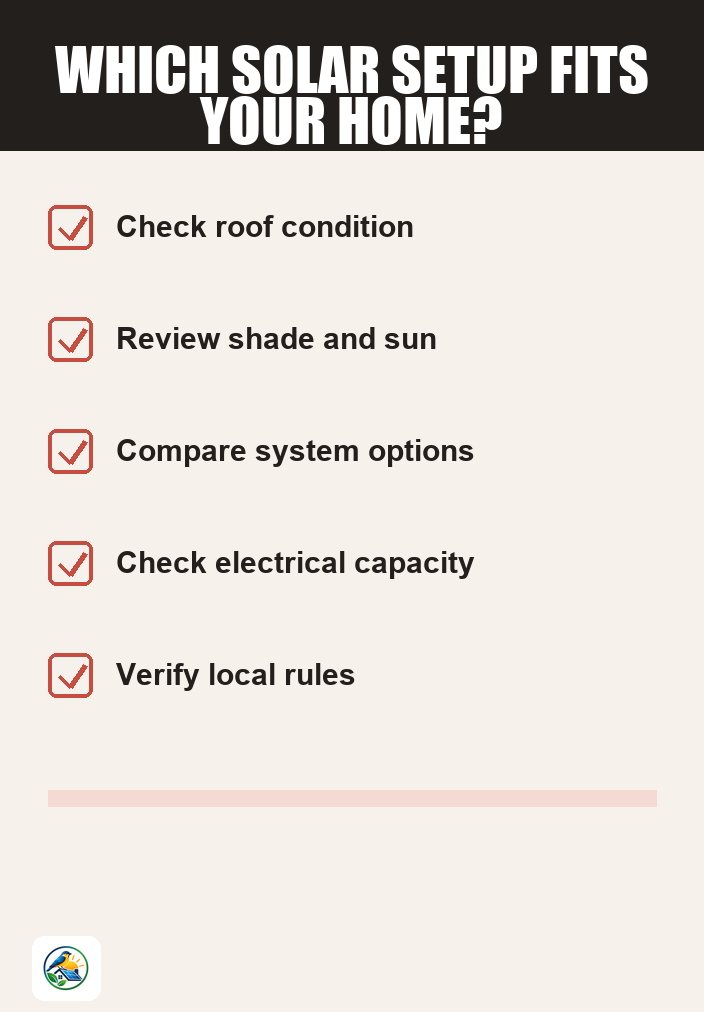
Before making a decision, it’s crucial to evaluate your household’s energy consumption patterns. Consider the following steps:
- Analyze your energy usage: Review your electricity bills to understand your monthly and daily energy consumption.
- Identify critical loads: Determine which appliances or systems you want to power during an outage (e.g., refrigerator, lights, HVAC).
- Calculate battery size: Using your energy needs, estimate the battery capacity required to meet your demands during outages or at night.
When to Get a Professional Quote
Obtaining a professional quote is essential to navigate the complexities of solar and battery systems. A qualified installer can assess your property and provide an itemized estimate that includes:
- Solar panel costs
- Battery system options and costs
- Installation fees
- Permitting and interconnection fees
- Potential incentives or rebates applicable in your area
Comparing quotes from multiple installers will give you a clearer picture of your options and help you make a more informed decision.
Next Steps for Homeowners
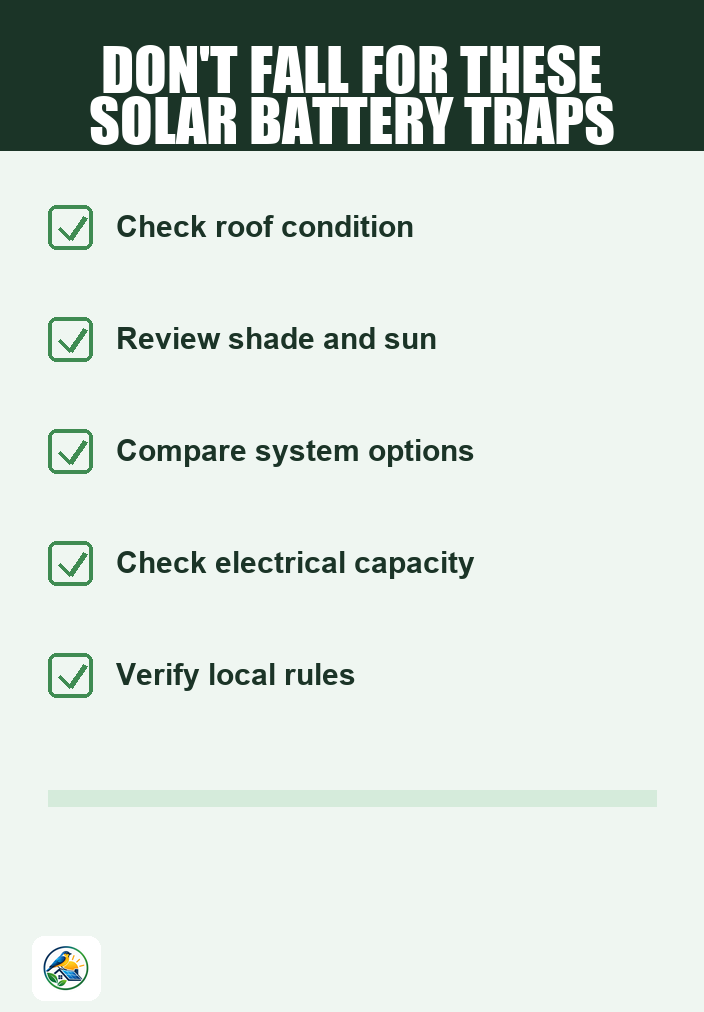
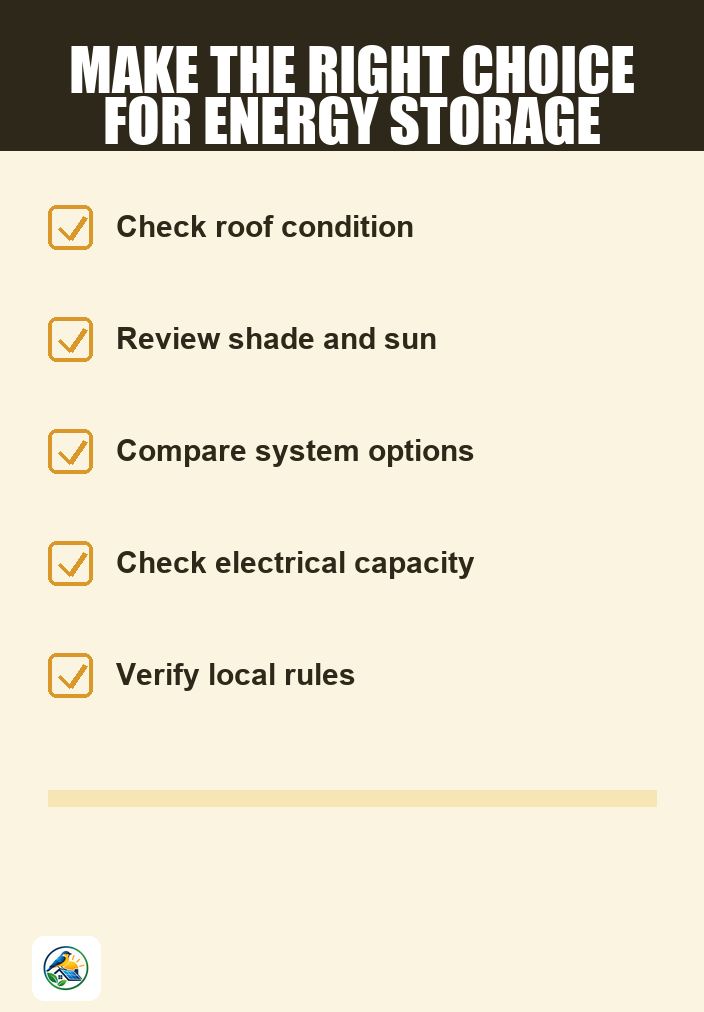
As you consider adding battery storage to your solar quote, take the time to research and compare your options. Remember to:
- Evaluate the type of battery technology that suits your needs and budget.
- Consult with multiple professional installers for detailed, itemized quotes.
- Verify local utility policies and incentives that may affect your solar and battery choices.
With the right information and guidance, you can make a well-informed decision that enhances your solar energy system and meets your household’s energy needs.