
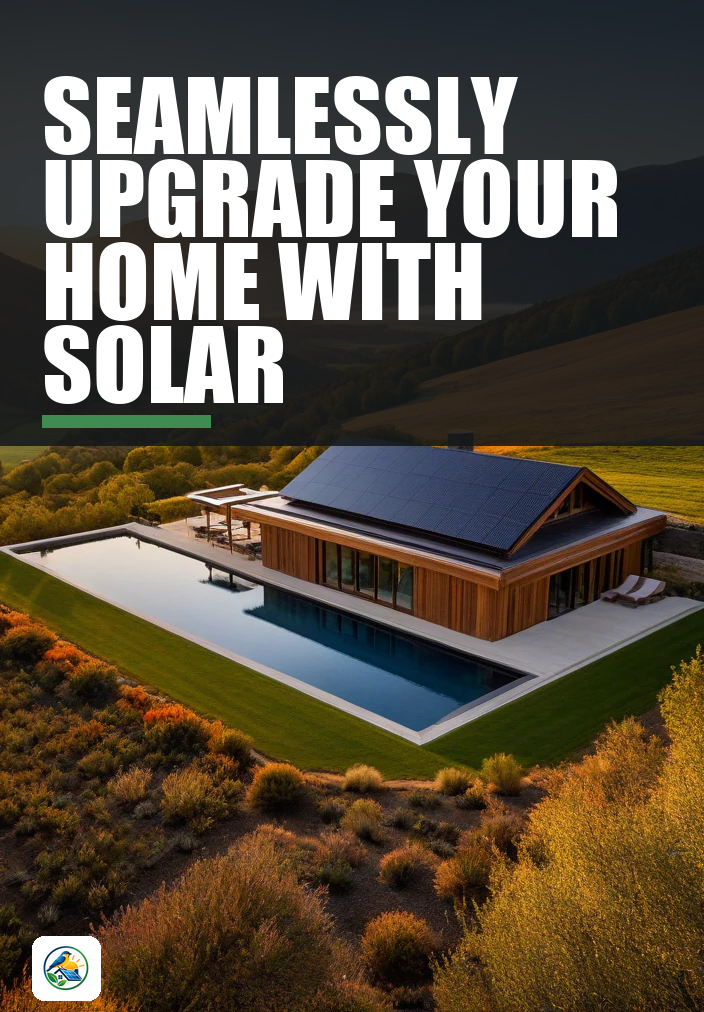
Understanding the Basics of Solar Panel Integration in Older Homes
Integrating solar panels into older homes can be a rewarding yet complex endeavor. Homeowners may find themselves considering this renewable energy source for various reasons, such as reducing electricity bills or enhancing home value. However, unique challenges associated with older structures necessitate careful planning and consideration. This guide will walk you through the essential aspects of integrating solar panels into older homes, ensuring you make informed decisions tailored to your situation.
Assessing Your Home’s Suitability for Solar Panels
Before diving into the installation process, it’s crucial to assess whether your home is suitable for solar panels. Here are some key factors to consider:
- Roof Condition: Ensure that your roof is in good condition. Older roofs may require repairs or replacement before solar panel installation. A sturdy roof is vital for supporting the weight of solar panels and ensuring their longevity.
- Roof Orientation: The direction your roof faces significantly affects solar efficiency. South-facing roofs typically gather the most sunlight, followed by southwest and southeast orientations. Evaluate your roof’s angle and orientation when considering solar panel placement.
- Shade Analysis: Nearby trees, buildings, or structures can cast shadows on your roof, reducing solar panel effectiveness. A professional installer can conduct a shading analysis to determine the best positioning for optimal sunlight exposure.
- Roof Size and Pitch: The size of your roof determines how many solar panels you can install. Additionally, the pitch can influence the angle at which panels are mounted, impacting their efficiency.
- Electrical System Compatibility: Older homes may have outdated electrical systems. A professional evaluation can determine if your home’s wiring and electrical panel can support a solar energy system.
Choosing the Right Solar System for Your Home
There are several types of solar systems to consider. Each has its benefits and trade-offs:
- Grid-Tied Systems: These systems connect to the local utility grid. They are often the most cost-effective option, as they allow you to draw electricity from the grid when solar production is low. However, they do not provide power during outages unless paired with battery backup systems.
- Battery Backup Systems: These systems store excess energy generated during the day for use when the sun isn’t shining. This option provides resilience during power outages but comes with additional costs associated with battery installation and maintenance.
- Off-Grid Systems: Designed for homes not connected to the utility grid, off-grid systems rely entirely on solar energy. These systems typically require extensive battery storage and may involve higher upfront costs. They are ideal for remote locations but may not be practical for most urban or suburban homeowners.
- Hybrid Systems: A combination of grid-tied and battery backup, hybrid systems offer the flexibility of grid connectivity while providing backup power when needed. They can be a good solution for homes that experience frequent outages.
Evaluating Financial Considerations
While the prospect of solar energy can be appealing, it’s essential to evaluate the financial implications. Homeowners should consider the following:
- Initial Costs: The upfront costs of solar panel installation can vary widely based on the system type and size. Obtain multiple quotes from reputable installers to compare itemized pricing.
- Financing Options: Explore different financing options, such as solar loans, leases, or power purchase agreements (PPAs). Each comes with its benefits and drawbacks, impacting your long-term financial commitment.
- Incentives and Rebates: Investigate potential local, state, or federal incentives that may help offset installation costs. Make sure to verify the current status of any credits or rebates, as these can change over time.
- Net Metering: Understand your utility’s net metering policies, which allow homeowners to receive credits for the excess energy their solar panels produce and feed back into the grid. Familiarize yourself with local regulations to maximize your financial benefits.
The Installation Process: What to Expect
Once you’ve determined your home’s suitability for solar panels and chosen the right system, you can begin the installation process. Here’s a general outline of what to expect:
- Site Assessment: A professional installer will conduct a thorough assessment of your property, evaluating roof conditions, shading, and electrical systems.
- Design Proposal: Based on the assessment, the installer will create a design proposal that outlines the recommended system size, type, and estimated costs.
- Permitting: The installer will handle the necessary permits and approvals from local authorities, ensuring compliance with regulations.
- Installation: Once approved, the installation team will set up your solar system, which typically takes one to three days, depending on the complexity of the project.
- Inspection and Activation: After installation, the system will undergo a final inspection before being activated and connected to the grid.
Maintaining Your Solar Energy System
After installation, it’s essential to maintain your solar energy system to ensure optimal performance:
- Regular Cleaning: Dirt, dust, and debris can hinder solar panel efficiency. Regular cleaning or hiring a professional service can help maintain optimal performance.
- Monitoring Performance: Many systems come with monitoring tools that allow you to track energy production. Regular checks can help identify any issues early on.
- Professional Inspections: Schedule periodic inspections with your installer to ensure all components are functioning correctly and address any potential issues before they become significant problems.
Next Steps: Moving Forward with Solar Energy
If you’re considering integrating solar panels into your older home, the best approach is to start with a comprehensive assessment. Gather quotes from qualified solar installers who can provide tailored solutions based on your home’s unique characteristics and your energy needs. Comparing itemized quotes will help you understand the scope of work and the financial commitment involved.
Ultimately, integrating solar panels into an older home can be a practical and sustainable choice, but it requires careful consideration of various factors. By taking the time to assess your home, choose the right system, and maintain it properly, you can enjoy the benefits of solar energy for years to come.


















