
Identifying Solar Installation Red Flags: A Homeowner’s Essential Checklist
As a homeowner considering the transition to solar energy, it’s vital to approach the installation process with a discerning eye. The benefits of solar energy can be substantial, but the path to successful installation isn’t without potential pitfalls. This article outlines essential red flags to watch for, ensuring that you make informed decisions and select a reputable installer.
Understanding Your Solar Installation Options
Before diving into the checklist, it’s essential to understand the various solar energy systems available. Homeowners typically choose between grid-tied systems, battery backup systems, generators, and off-grid setups. Each has its own advantages and trade-offs:
- Grid-Tied Solar: These systems connect directly to the power grid. They typically require no batteries, allowing for lower upfront costs but leaving you vulnerable during power outages.
- Battery Backup: This option combines solar panels with battery storage, providing energy during outages and maximizing self-consumption. However, it comes with higher installation costs.
- Generators: Often used as a backup power source, generators can be integrated with solar systems but require fuel and maintenance.
- Off-Grid Systems: These installations operate independently from the grid, necessitating a robust battery system and careful energy management.
Consider your home’s needs, location, and budget before deciding on the system that’s right for you.
Key Red Flags to Watch For
When evaluating solar installation proposals, keep an eye out for the following red flags:
1. Lack of Proper Licensing and Insurance
Always verify that the installer holds the necessary licenses and insurance. A reputable installer should have a valid contractor’s license specific to solar installations and comprehensive liability insurance. This protects you and your home in case of accidents during the installation.
2. Vague or Unrealistic Proposals
A credible installer will provide a detailed, itemized quote outlining the costs, equipment, and expected system performance. Be wary of proposals that lack specifics or make unrealistic claims about savings, energy production, or payback periods.
3. High Pressure Sales Tactics
If you feel rushed or pressured to sign a contract, this is a significant red flag. A reputable installer will allow you time to consider your options and encourage you to get multiple quotes before making a decision.
4. Poor Quality Equipment
Not all solar panels and inverters are created equal. Research the equipment being offered and ensure it meets industry standards. Low-quality products can lead to poor performance and increased maintenance costs down the line.
5. Inadequate Site Assessment
Your installer should conduct a thorough site assessment before providing a quote. This assessment should evaluate your roof’s condition, orientation, shading, and electrical system capacity. An installer who skips this step may not be considering critical factors that could affect your solar system’s performance.
6. Unclear Warranty Information
Warranties are essential for protecting your investment. Make sure the proposal includes clear terms regarding the warranties on both the equipment and the installation work. A lack of comprehensive warranty information may indicate a lack of confidence in the products or services offered.
7. Limited Experience and References
Experience matters in the solar installation business. Ask for references and check reviews. An installer with a solid track record should be happy to provide testimonials and a portfolio of completed projects.
Homeowner Considerations Before Installation
Before proceeding with a solar installation, consider the following factors:
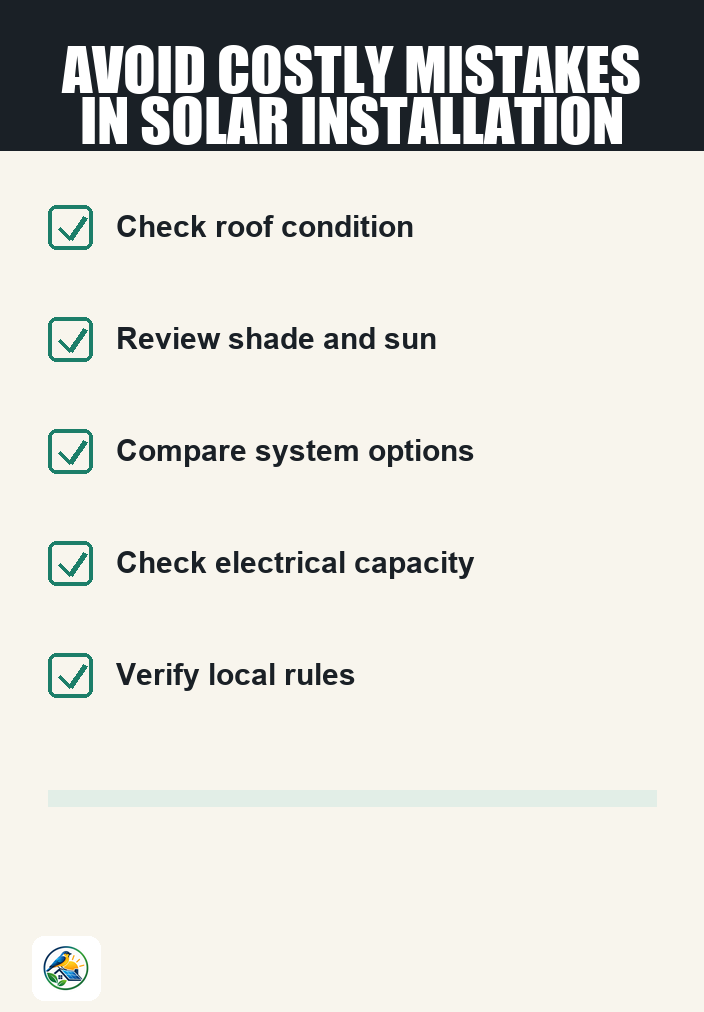
- Roof Condition: Ensure your roof is in good shape before installing solar panels. If your roof needs repairs or replacement, address those issues first.
- Shade and Orientation: Solar panels perform best when installed in full sunlight. Evaluate potential shading from trees, buildings, or other structures.
- Electrical Upgrades: Older homes may require electrical system upgrades to accommodate a solar installation. Discuss this with your installer.
- Financing Options: Understand the costs involved and explore financing options that fit your budget. Be cautious of high-interest loans.
- Permitting and Utility Regulations: Verify local permitting requirements and utility regulations, as these can impact your installation timeline and costs.
- Future Plans: Consider how long you plan to stay in your home. If you plan to sell soon, weigh the potential return on investment against installation costs.
Comparing Quotes: The Next Steps
Once you’ve identified red flags and considered your options, it’s time to compare quotes from qualified installers. Here are some practical steps to guide you:
- Request multiple itemized quotes from different installers.
- Compare the equipment, installation processes, and warranties offered.
- Ask questions and clarify any uncertainties before making your decision.
- Seek feedback from other homeowners who have installed solar systems.
Finally, remember that solar energy can be a valuable addition to your home, but it’s essential to proceed with caution. By following this checklist and being aware of potential red flags, you can make an informed decision that aligns with your energy goals and financial situation.


















