
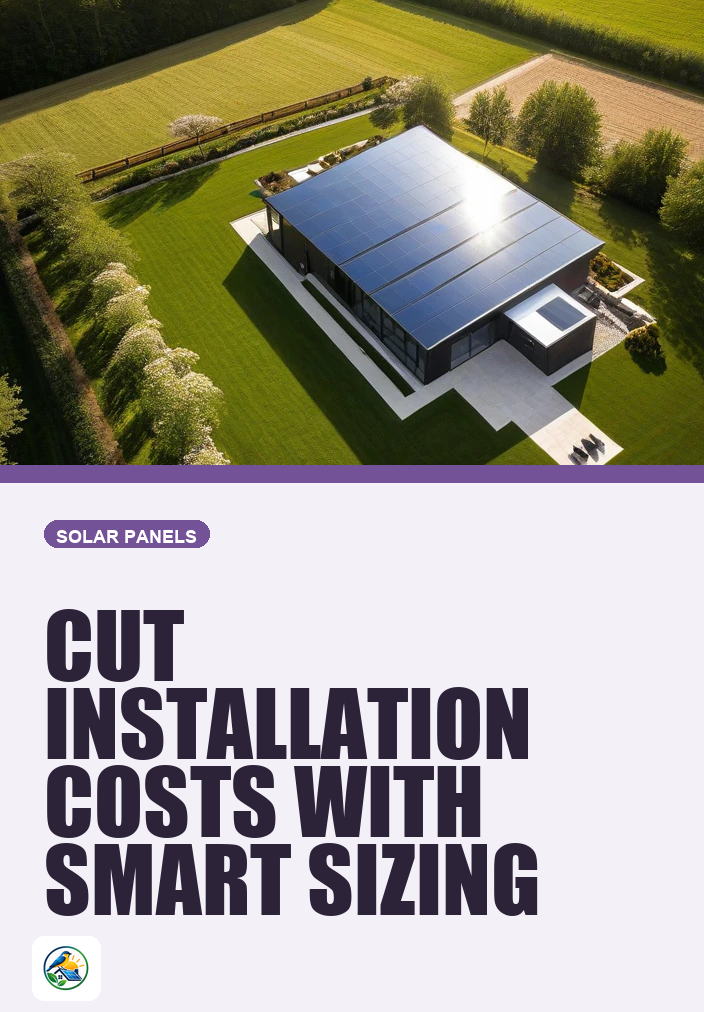
Understanding Solar Panel System Sizing to Manage Installation Costs Effectively
As a U.S. homeowner considering a rooftop solar system, one of the most crucial factors influencing both your installation costs and overall satisfaction is the size of your solar panel system. Choosing the right size is not merely a matter of calculating how many panels can fit on your roof; it involves understanding your energy needs, the characteristics of your property, and local regulations. In this article, we will guide you through the essentials of solar panel system sizing, helping you make informed decisions that align with your budget and energy goals.
The Basics of Solar Panel System Sizing
Solar panel system sizing refers to the process of determining how many solar panels you need to meet your energy consumption requirements. This process is influenced by several factors, including:
- Your Energy Usage: Understanding your household’s energy consumption is the first step. Review your utility bills to find your average monthly and annual energy usage in kilowatt-hours (kWh).
- Solar Panel Output: The amount of electricity a single solar panel can produce varies based on its efficiency and the amount of sunlight your location receives.
- Roof Characteristics: The orientation, angle, size, and shading of your roof will impact how much solar energy can be harnessed.
By accurately assessing these factors, you can determine the optimal size of your solar panel system to effectively meet your energy needs while managing installation costs.
Assessing Your Energy Needs
Your energy consumption is the cornerstone of solar panel sizing. To get started, consider the following steps:
- Gather Your Utility Bills: Look for at least 12 months of utility bills to understand your average monthly usage. Calculate your average daily usage by dividing your monthly total by 30.
- Consider Future Changes: Think about any upcoming changes that may affect your energy usage, such as adding appliances, expanding your family, or working from home more often.
Once you have a clear picture of your energy needs, you can move to the next step: evaluating how much energy a solar panel system can produce.
Calculating Solar Panel Output
The output of solar panels varies based on several factors, including the type of panel, sunlight exposure, and efficiency ratings. Here’s how to estimate potential output:
- Panel Efficiency: Solar panels typically have efficiency ratings between 15% and 22%. Higher efficiency panels produce more energy in smaller spaces.
- Solar Irradiance: This is the average solar power received per square meter in your area, usually measured in kW/m². Areas with more sunlight will yield better production.
- Shading and Orientation: South-facing roofs typically receive the most sunlight, while shade from trees or buildings can significantly reduce output.
For example, if you live in a sunny region and have a 5 kW solar panel system with an average production of 4 kWh per day, it would generate about 120 kWh per month. Compare this to your energy usage to see how well it meets your needs.
Understanding Roof Characteristics
The physical characteristics of your roof play a significant role in determining the size and number of solar panels you can install:
- Roof Size: Measure your roof area to determine how many panels can fit. A standard solar panel measures about 65 inches by 39 inches, covering approximately 17.5 square feet.
- Orientation and Tilt: Ideally, solar panels should face south and be tilted at an angle that maximizes sun exposure throughout the year.
- Shade Analysis: Assess any potential shading from trees, buildings, or other obstructions. Shaded panels can significantly reduce overall system performance.
Consider conducting a solar site assessment, which many professionals provide, to gather detailed information about your roof’s suitability for solar installation.
Tradeoffs in System Sizing
While larger systems can produce more energy, they also come with higher installation costs. Here are some tradeoffs to consider:
- Efficiency vs. Cost: Investing in high-efficiency panels may reduce the number needed, but the upfront cost is higher. Consider your budget and how long you plan to stay in your home.
- Battery Storage: If you plan to add a home battery for backup power, factor in the additional costs and how it impacts system sizing.
- Future Expansion: If you anticipate changes in your energy needs, you may want to size your system slightly larger now, though this also increases initial costs.
When to Consult a Professional Installer
While you can gather a lot of information on your own, consulting a professional installer can provide valuable insights tailored to your specific situation. A professional can conduct a detailed assessment and provide you with:
- An accurate estimate of how many solar panels fit on your roof.
- Information on local permitting and interconnection requirements.
- Detailed quotes that break down costs, including installation, equipment, and potential incentives.
Getting multiple quotes can also help you compare options and find a solution that best fits your financial and energy needs.
Next Steps for Homeowners
Understanding solar panel system sizing is key to managing installation costs effectively. Start by assessing your energy needs, calculating potential solar output, and evaluating your roof’s characteristics. Consider the tradeoffs in system sizing and consult with qualified solar installers to receive itemized quotes tailored to your home.
Remember that solar energy is not a one-size-fits-all solution, and the right choice for your home will depend on your unique circumstances. Take your time to gather information, compare options, and make a decision that best aligns with your energy goals and budget.


















