
Understanding the Financial Landscape of Solar Loans vs. Cash Purchases
When it comes to investing in a residential solar system, homeowners often find themselves at a crossroads: should they pay in cash or opt for solar loans? This decision can significantly impact the financial outcome of the investment. In this article, we will explore the potential pitfalls of choosing cash over solar loans and help you assess whether this choice might be a costly mistake.
The Case for Solar Loans
Solar loans can make solar energy more accessible for many homeowners. They allow individuals to spread out the cost of the system over time, making it easier to manage cash flow without depleting savings. Here are a few reasons why solar loans might be preferable:
- Lower Upfront Costs: With a loan, you don’t need to pay the full price of the solar system upfront.
- Potential Financial Benefits: Depending on your local utility’s net metering policy, you may begin saving on your electricity bill right away, even while you’re paying off your loan.
- Tax Benefits: In some cases, interest paid on solar loans may be tax-deductible. However, verify with a tax professional for your specific situation.
Cash Purchases: The Immediate Appeal
Paying cash for a solar system can offer some immediate benefits, such as:
- No Monthly Payments: Owning your system outright means you won’t have loan payments hanging over your head.
- Increased Equity: A cash purchase increases the equity in your home immediately.
- No Interest Charges: Avoiding interest means you won’t pay more for the system than its sticker price.
However, while these benefits might seem appealing, there are several factors to consider before deciding that cash is the best option.
Potential Drawbacks of Paying Cash
While paying cash may appear straightforward, it can come with significant drawbacks:
- Opportunity Cost: By using cash to buy a solar system, you might miss out on other investment opportunities that could yield higher returns.
- Liquidity Concerns: Tying up a large sum of cash in a solar system can limit your financial flexibility in case of emergencies or other significant expenses.
- Long-Term Financial Strategy: Cash purchases might not align with a long-term financial plan, especially if your goal is to maintain liquidity.
Evaluating Your Home’s Specific Needs
Every home is unique, and various factors influence whether solar loans or cash purchases are more appropriate. Here are some considerations:
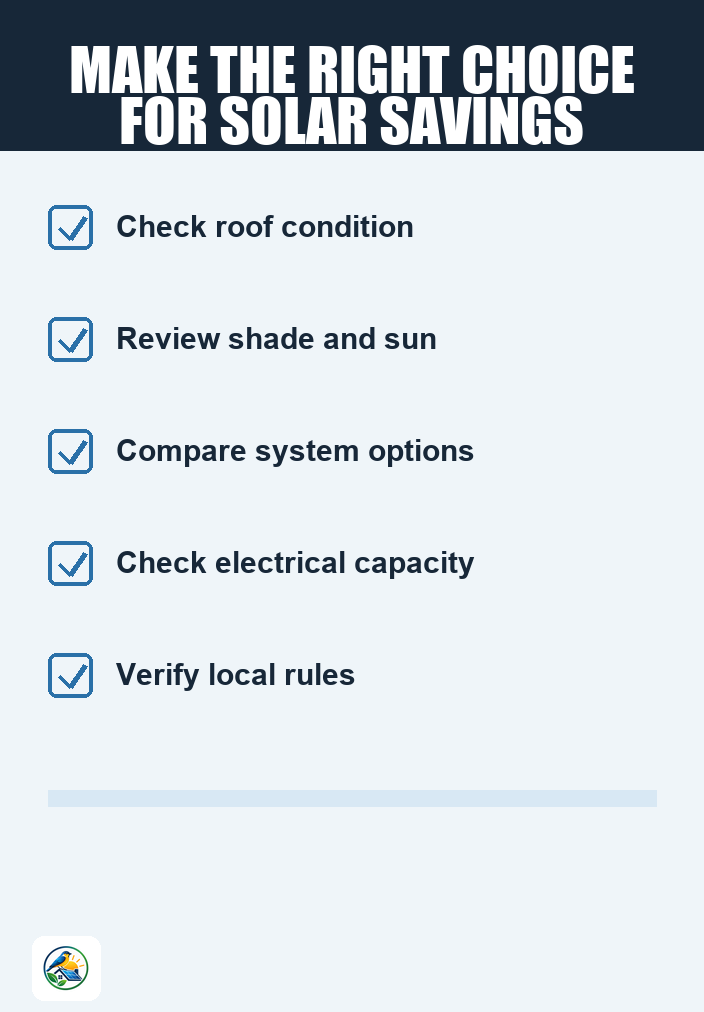
- Roof Condition: Ensure your roof is in good condition and capable of supporting a solar system. If repairs are needed, it may be wise to finance your solar system to preserve cash for these improvements.
- Energy Needs: Assess your energy consumption and how a solar system could meet those needs. A professional installer can help size the system based on your usage.
- Local Incentives: Research local solar incentives, tax credits, and rebates that could influence your financing decision.
- Utility Policies: Understanding your utility’s net metering rules and how they impact your potential savings is crucial when deciding between cash and loans.
Comparing the Costs
To make an informed decision, it’s essential to compare the total costs associated with cash purchases and solar loans. Here’s a basic way to approach this:
- Get Multiple Quotes: Consult with qualified solar installers to gather itemized quotes for both cash and loan options.
- Calculate Total Costs: For cash purchases, consider the sticker price. For loans, factor in interest rates and potential fees.
- Evaluate Savings: Estimate your potential savings based on local electricity rates and net metering policies.
When a Professional Installer Quote Can Help
Obtaining a professional installer quote is crucial for understanding the specifics of your solar installation. A qualified installer can assess your home’s suitability for solar, provide detailed information on equipment options, and explain financing choices. This insight can be invaluable when weighing the costs and benefits of cash vs. loans.
Common Misconceptions About Solar Financing
There are several myths surrounding solar financing that can lead homeowners astray:
- Cash is Always Cheaper: While paying cash avoids interest, it may not always be the most cost-effective way to finance a solar system.
- Loans are Risky: Many solar loans are designed with favorable terms, making them manageable for homeowners.
- Solar is Only for the Wealthy: With various financing options available, solar energy can be within reach for many homeowners.
Next Steps for Homeowners
Choosing whether to pay cash or finance a solar system is a significant decision that requires careful thought. Here are some practical next steps to consider:
- Research Local Incentives: Verify any current incentives available for solar installations in your area.
- Evaluate Your Financial Situation: Consider your cash flow, savings, and investment goals before making a decision.
- Compare Quotes: Obtain itemized quotes from multiple qualified installers to assess both cash and financing options thoroughly.
Ultimately, the right choice will depend on your individual circumstances, financial goals, and the specific dynamics of your home and local market. Take your time, weigh your options, and make an informed decision that aligns with your long-term objectives.


















