
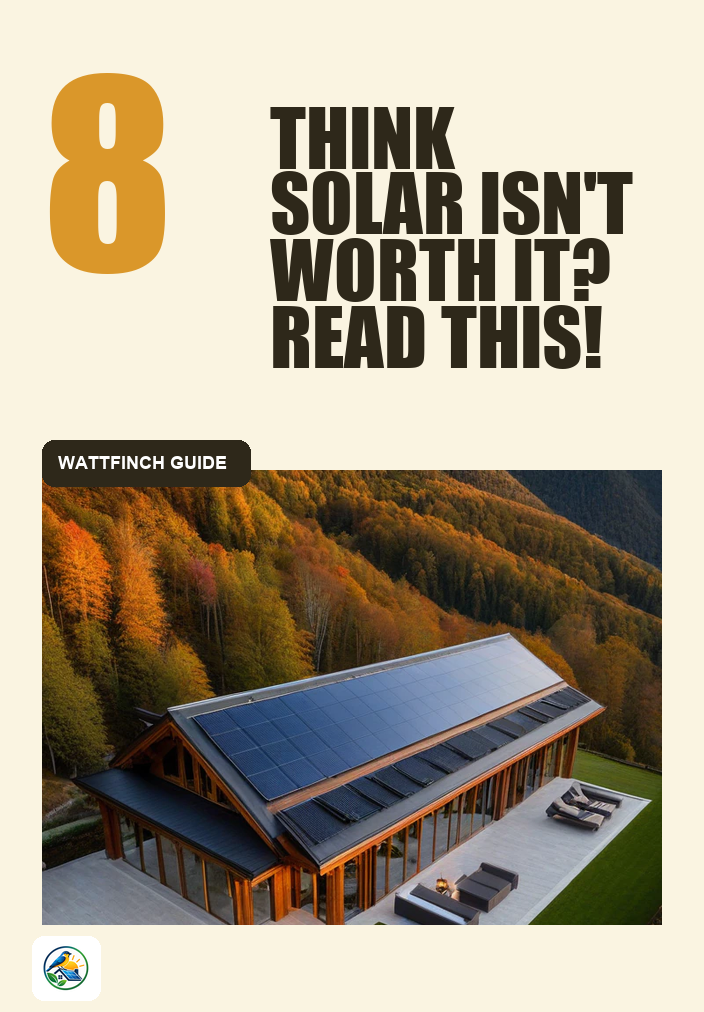
Assessing the Viability of Solar for Your 1500 Square Foot Home
Installing solar panels for your 1500 square foot home can be an appealing option, especially as more homeowners look for ways to reduce energy costs and minimize their environmental footprint. However, whether it’s the right choice for you at this time depends on various factors that must be assessed carefully. This article will help you navigate the considerations involved in deciding if solar energy is a good fit for your specific situation.
Understanding Your Energy Needs
Before diving into the specifics of solar installation, it’s crucial to understand your household’s energy consumption. A typical 1500 square foot home might use between 800 to 1,200 kilowatt-hours (kWh) per month, but this can vary based on several factors:
- Appliance Usage: The type and efficiency of appliances you use can significantly affect your energy bill.
- Heating and Cooling: Homes in colder climates may rely heavily on electric heating, while those in warmer areas may use more energy for air conditioning.
- Occupancy: More people living in the home generally means higher energy consumption.
Review your past utility bills to get a clearer picture of your average monthly energy usage. This will serve as a baseline for understanding how much solar energy you may need to generate.
Evaluating Your Home’s Solar Potential
Once you have a grasp on your energy needs, the next step is to evaluate your home’s suitability for solar installation. Several factors can impact the effectiveness of a solar system:
- Roof Condition: A sturdy roof is essential for solar panel installation. If your roof requires repairs or replacement, this should be addressed before considering solar.
- Orientation and Tilt: South-facing roofs typically receive the most sunlight, while east and west-facing roofs can also be effective. The angle of your roof will affect how much sunlight your panels receive.
- Shade: Nearby trees, buildings, or other structures can cast shadows on your roof, reducing the efficiency of solar panels. A professional installer can help assess shading issues.
- Local Climate: Areas with consistent sunlight will generally benefit more from solar installations than regions with frequent cloud cover or heavy snowfall.
Understanding Solar System Options
When considering solar for your home, you have several options to choose from, each with its own benefits and drawbacks:
Grid-Tied Systems
These systems are connected to the local electrical grid, allowing you to draw electricity when your solar panels aren’t producing enough power. Any excess energy generated can often be fed back into the grid, potentially earning you credits through net metering. This option is typically the most cost-effective, as it doesn’t require battery storage.
Battery Backup Systems
Incorporating a home battery with your solar installation allows you to store excess energy generated during the day for use at night or during power outages. While this adds a level of energy independence, it also increases the initial investment and maintenance considerations.
Off-Grid Systems
If you’re in a remote area or prefer complete energy independence, an off-grid system may be suitable. It requires a larger investment due to the need for battery storage and backup generators, but it can provide energy autonomy.
Cost Considerations
The cost of solar installation can vary widely based on your location, the size of the system, and the equipment used. Some factors to keep in mind include:
- Installation Costs: Professional installation is advisable for safety and efficiency. Get multiple quotes to compare prices and services.
- Financing Options: Consider how you will pay for the installation. Options may include cash purchases, loans, or leases.
- Maintenance Costs: While solar panels generally require minimal maintenance, you should budget for occasional cleaning and inspections to ensure optimal performance.
Incentives and Financial Considerations
Many homeowners look to federal, state, and local incentives to help offset the initial costs of solar installation. However, these incentives can vary significantly based on where you live and may change over time. It’s important to verify the current availability and eligibility requirements for any incentives that might apply to you. Consult with local installers or government resources to get accurate information.
Next Steps: Getting Professional Quotes
If, after evaluating your energy needs, home suitability, and financial considerations, you still feel that solar might be a good fit, the next logical step is to consult with qualified solar installers. Here are some practical next steps:
- Research Local Installers: Look for reputable solar companies in your area. Check reviews and ratings to gauge their reliability.
- Request Quotes: Get itemized quotes from multiple companies to compare costs, equipment, and services offered. Ensure each quote includes information on warranties, maintenance, and expected energy output.
- Ask Questions: Don’t hesitate to inquire about any aspect of the installation process, financing options, and potential issues such as permitting or interconnection with the grid.
- Review Your Options: Once you receive quotes, review them carefully to understand the differences and make an informed decision.
Deciding to install solar for your 1500 square foot home is a significant commitment that requires careful consideration of multiple factors. By understanding your energy needs, evaluating your home’s solar potential, and getting professional insights, you can make a well-informed decision that aligns with your goals.


















