
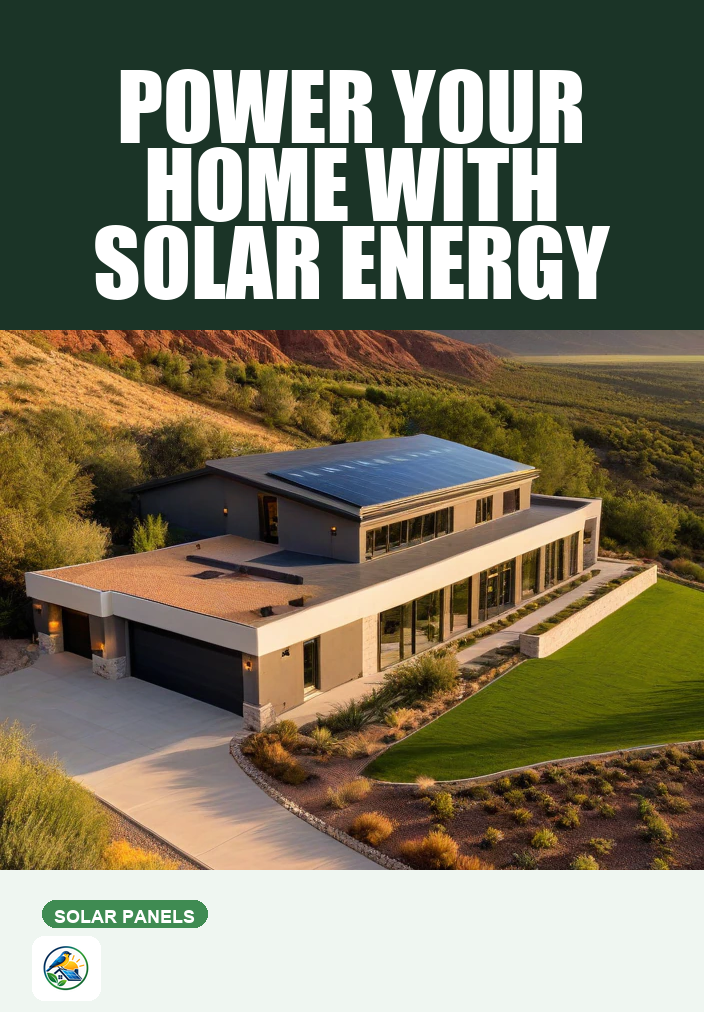
Understanding Solar Power for Your All-Electric Home
If you own an all-electric home and are considering solar power, you’re not alone. Many homeowners are exploring solar energy as a way to reduce their reliance on the grid, lower energy bills, and contribute to a more sustainable future. However, whether solar power is the right fit for your home depends on various factors, including your energy needs, location, roof condition, and financial situation. This article will help you evaluate those factors and understand what to consider before making a decision.
Assessing Your Energy Needs
The first step in determining if solar power is suitable for your all-electric home is understanding your energy consumption. Analyze your electricity bills over the past year to identify your average usage. Here are some key points to consider:
- Monthly Usage: Look for patterns in your monthly energy use. Do you have peak months where consumption is significantly higher?
- Seasonal Variations: Consider how your energy needs change with the seasons. For example, heating or cooling needs may vary throughout the year.
- Future Needs: If you anticipate changes in your household—like adding appliances, home expansions, or electric vehicles—factor those into your calculations.
Once you have a clear picture of your energy needs, you can better assess how much solar power you might require to meet those needs.
Evaluating Your Roof and Property
Your roof plays a significant role in the feasibility of installing solar panels. Here are some aspects to evaluate:
- Roof Condition: Ensure your roof is in good shape before installation. If it needs repairs or replacement, consider addressing those issues first.
- Orientation and Angle: South-facing roofs typically receive the most sunlight. East or west-facing roofs can also be effective, but north-facing roofs may not be ideal.
- Shade: Trees, buildings, or other structures that cast shade on your roof can significantly affect solar panel performance. Consider the amount of sunlight your roof receives throughout the day.
- Available Space: Assess how much roof space is available for solar panels. Larger systems require more space, and you may need to balance this with other rooftop installations like vents or skylights.
Understanding Different Solar Options
When considering solar power, you’ll come across various systems that cater to different needs. Here’s a breakdown of the main types:
Grid-Tied Systems
These systems are connected to the public electricity grid and allow you to draw power from the grid when your solar system isn’t producing enough energy. They are often the most cost-effective choice since they can utilize net metering, where excess energy produced can be sold back to the grid.
Battery Backup Systems
Battery backup systems enable you to store excess energy generated during the day for use at night or during outages. This option provides more energy independence but comes with higher upfront costs due to battery installation.
Off-Grid Systems
Off-grid systems are designed for homes not connected to the grid. They require a more substantial investment in battery storage and may involve more complex maintenance to ensure a reliable power supply.
Financial Considerations
Financial implications are crucial when deciding to install solar. Here are some factors to consider:
- Initial Costs: The upfront cost of solar panels and installation can be significant. Be sure to obtain multiple quotes from qualified installers to compare prices and services.
- Financing Options: Explore different financing options, such as loans, leases, or power purchase agreements, to find one that fits your financial situation.
- Incentives and Rebates: Investigate local, state, and federal incentives that may be available. These can vary widely, so verifying current programs is essential.
- Long-Term Value: While solar may increase your home’s value, the extent of this can vary based on factors like location and market trends.
Permitting and Utility Regulations
Before installation, you’ll need to navigate local permitting processes and utility regulations. Here’s what to keep in mind:
- Permits: Most areas require permits for solar installations. Check with your local government for specific requirements.
- Interconnection Agreements: If you plan to connect to the grid, you’ll need to understand your utility’s interconnection policies and requirements.
- Net Metering Policies: Explore your utility’s net metering policies, as these can affect how you receive credits for excess energy produced.
Potential Drawbacks of Solar Power
While solar power offers many benefits, it also comes with potential drawbacks. Consider these factors carefully:
- Initial Investment: The upfront cost can be a barrier for some homeowners, and financing options may come with interest.
- Maintenance: Although solar panels require minimal maintenance, occasional cleaning and inspections are necessary for optimal performance.
- Weather Dependency: Solar energy production can be affected by weather conditions, such as cloudy days or heavy snowfall.
- Battery Limitations: If considering a battery backup system, be aware of the limitations in terms of storage capacity and lifespan.
Next Steps: Making an Informed Decision
Deciding if solar power is the right fit for your all-electric home involves careful consideration of your energy needs, roof conditions, and financial implications. Start by gathering detailed information on your energy consumption and assessing your property. Then, research local regulations and incentives to understand the financial landscape.
Finally, obtaining itemized quotes from qualified solar installers will provide a clearer picture of costs and options available for your specific situation. Comparing quotes will allow you to make an informed decision that aligns with your goals and budget.


















