Understanding the Basics: Solar Batteries vs. Generators
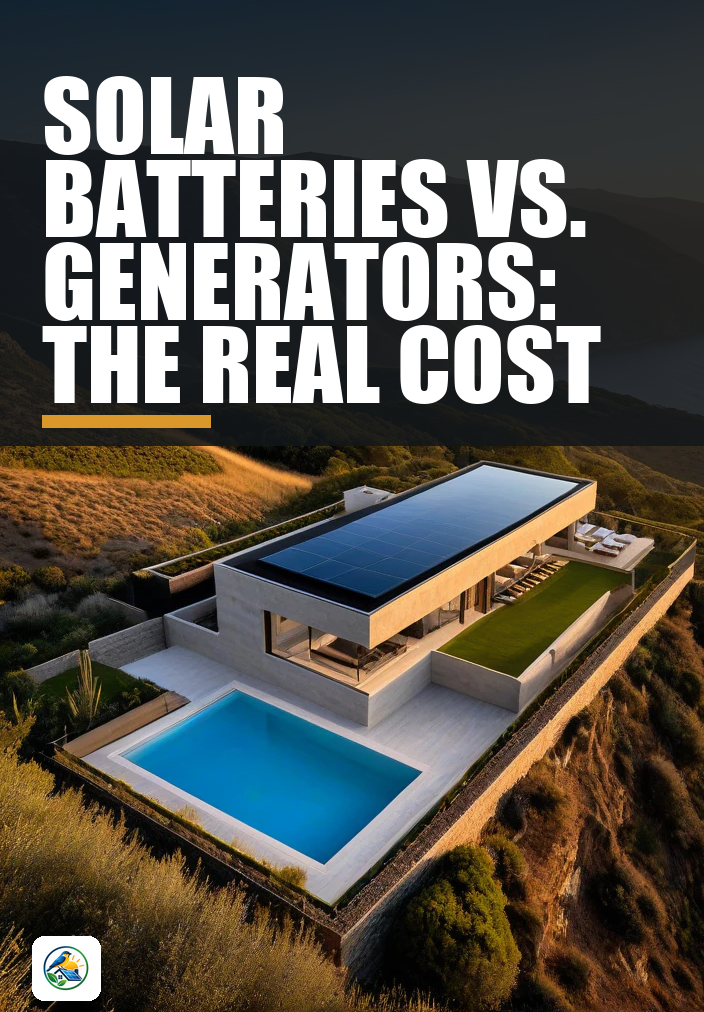
When it comes to ensuring a reliable energy supply for your home, you might find yourself weighing the options between solar batteries and generators. Both systems can keep your home powered during outages, but they operate differently and come with unique benefits and trade-offs. This article will guide you through the factors to consider when choosing between a solar battery system and a generator, helping you make an informed decision without compromising on reliability.
What is a Solar Battery System?
A solar battery system stores energy generated from your rooftop solar panels for later use. This stored energy can be utilized when your solar panels aren’t producing electricity, such as during the night or on cloudy days. Additionally, solar batteries can provide backup power during grid outages, allowing you to maintain essential functions in your home.
What is a Generator?
A generator, on the other hand, is a standalone device that converts fuel—such as gasoline, diesel, or propane—into electricity. Generators can be portable or permanently installed and typically provide power during outages. However, they do require fuel to operate, which can be a significant ongoing cost and requires regular maintenance.
Key Considerations for Homeowners
When deciding between a solar battery and a generator, homeowners should evaluate several key factors:
- Energy Needs: Assess your household’s energy consumption. A solar battery may be suitable if you aim for energy independence and self-sufficiency. Alternatively, a generator might work better for short-term power needs.
- Reliability: Solar batteries can provide a consistent power supply during outages, especially when paired with solar panels. Generators can also be reliable but depend on fuel availability and maintenance.
- Environmental Impact: Solar battery systems harness renewable energy, making them a more sustainable option than generators, which rely on fossil fuels.
- Installation and Maintenance: Solar battery systems typically require professional installation and may involve complex permitting processes. Generators may be easier to install but require regular maintenance and fuel storage.
Comparing Performance and Functionality
It’s essential to understand how each option performs under different circumstances:
Solar Battery Performance
Solar batteries work best in conjunction with a solar panel system, providing energy storage that maximizes the use of renewable energy. Here are some performance benefits:
- Energy Storage: The ability to store excess energy generated during the day for use at night or during outages.
- Grid Independence: Reduced reliance on the grid, especially in areas with frequent power outages.
- Smart Management: Many solar battery systems come equipped with smart technology that optimizes energy use based on your consumption patterns.
Generator Performance
Generators are typically used for immediate power needs and can be beneficial in specific scenarios:
- Instant Power: Generators can provide immediate power during an outage, making them suitable for short-term use.
- High Power Output: They can handle high-demand appliances, such as air conditioners or furnaces, without the need for an inverter.
- Fuel Flexibility: Depending on the type of generator, you can choose from various fuel sources based on availability and cost.
Cost Considerations
While both solar batteries and generators involve upfront costs, the long-term financial implications can differ significantly:
- Initial Investment: Solar battery systems generally have a higher initial cost due to the price of batteries, inverters, and installation. Generators tend to have lower upfront costs but can incur ongoing fuel and maintenance expenses.
- Operational Costs: Solar batteries can lead to reduced electricity bills over time if paired with solar panels since they allow you to use self-generated energy. Generators require regular fuel purchases and maintenance, which can add up quickly.
- Incentives and Rebates: Check local availability of incentives for solar installations, as these can affect the overall cost and feasibility of a solar battery system.
Limitations and Drawbacks
Both solar batteries and generators have limitations that homeowners should consider:
- Battery Limitations: The capacity of solar batteries is limited, meaning they can only store a certain amount of energy. Additionally, battery performance can be affected by temperature extremes and may degrade over time.
- Generator Dependency: Generators require fuel, which can be a logistical challenge during extended outages. They also produce noise and emissions, which can be a concern in residential areas.
- Permitting and Regulations: Installing a solar battery system can involve complex permitting processes that vary by location. Generators may also require permits, and local regulations may restrict their use.
Making the Decision: Solar Battery vs. Generator
Ultimately, the choice between a solar battery and a generator depends on your specific needs and circumstances. If your priority is reducing reliance on fossil fuels and achieving energy independence, a solar battery system may be the better option. However, if you require immediate backup power for short-term outages and are comfortable with the ongoing costs of fuel and maintenance, a generator might be more suitable.
Next Steps: Getting Professional Quotes
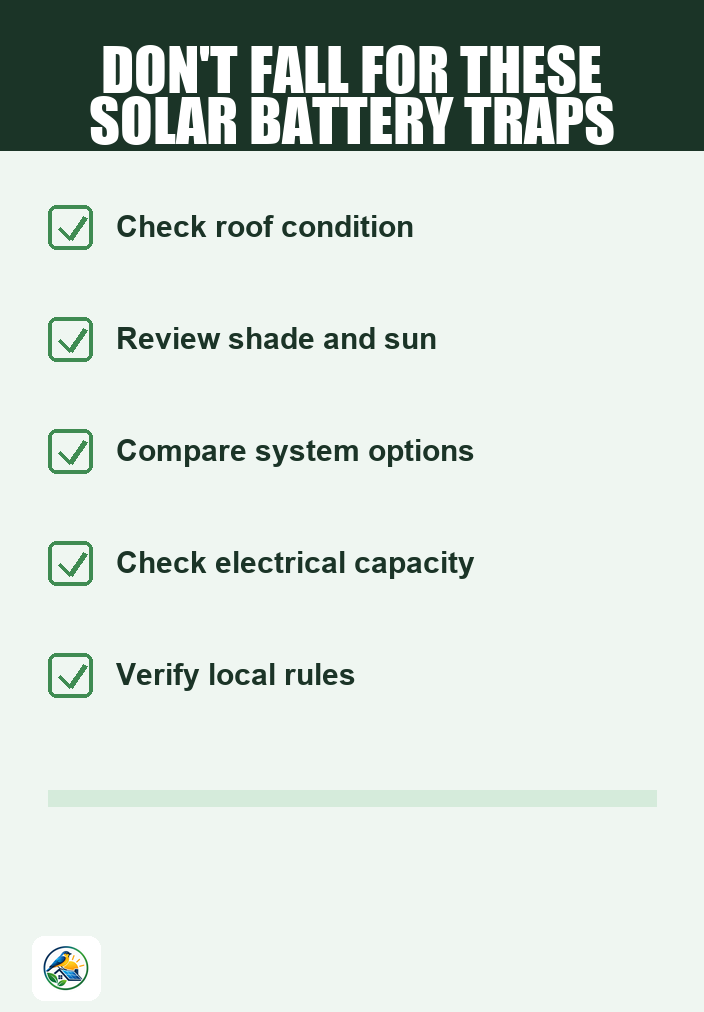
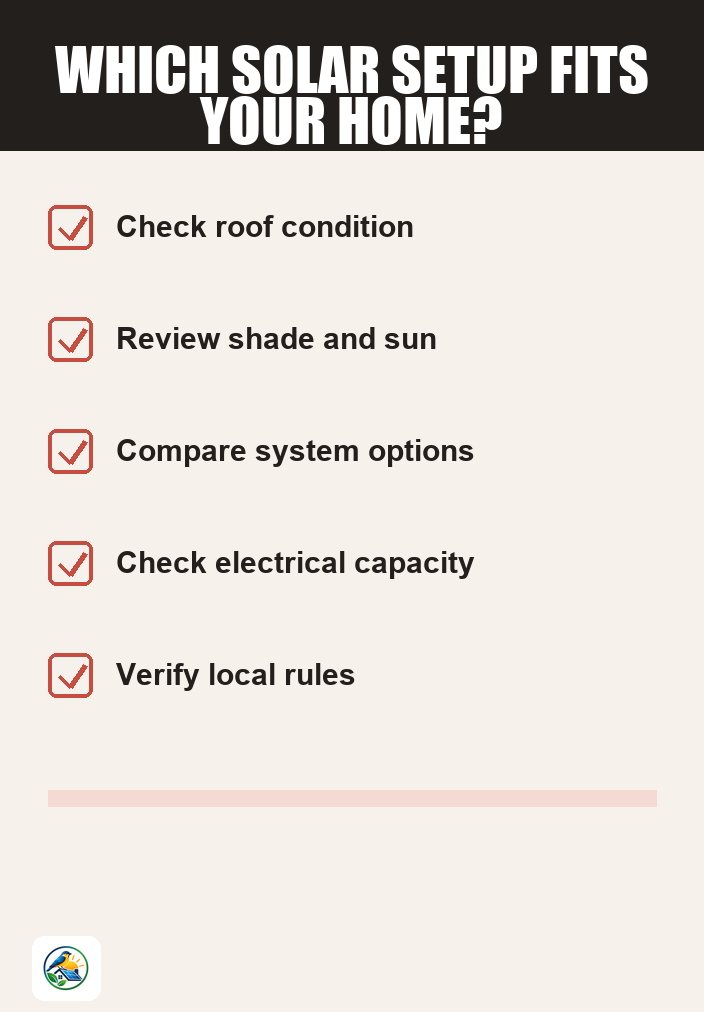
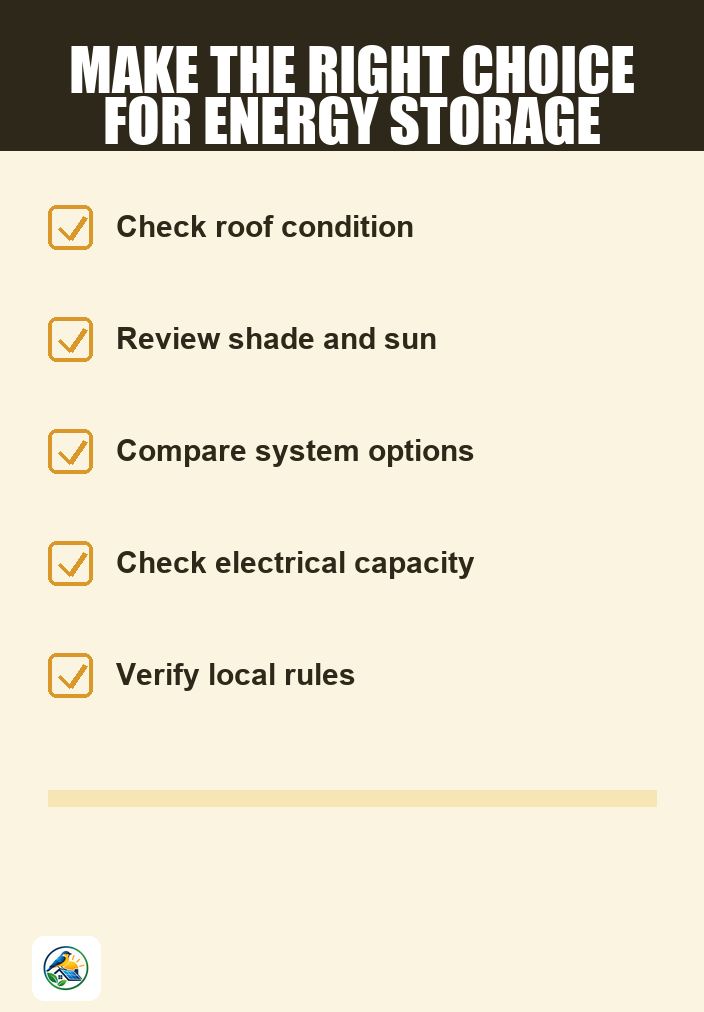
Before making a final decision, it’s advisable to obtain quotes from qualified installers. This will provide you with itemized estimates for both solar battery systems and generators, allowing you to weigh the costs and benefits based on your home’s unique situation. Remember to verify local incentives and regulations that may influence your choice. Comparing professional quotes will offer clarity and help you make the best decision for your home’s energy needs.