
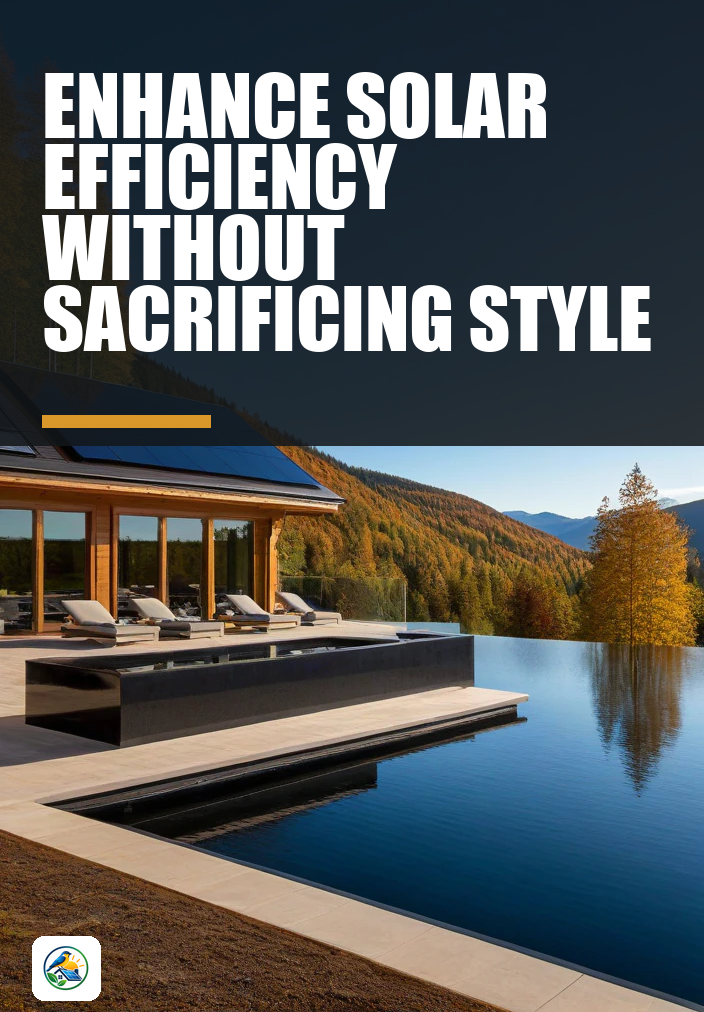
Understanding Solar Panel Efficiency on Shingle Roofs
Homeowners considering solar panels for their shingle roofs often face a dilemma: how to maximize efficiency without compromising the aesthetic appeal of their homes. While the potential benefits of solar energy are widely recognized, the decision-making process can be complex, particularly when balancing efficiency, aesthetics, and installation logistics. Let’s explore how to achieve the best results.
Evaluating Your Shingle Roof for Solar Installation
The first step in maximizing solar panel efficiency is to assess your shingle roof’s condition and characteristics. Here are key factors to consider:
- Roof Condition: Ensure your roof is in good condition. Damaged or aging shingles may require replacement before installation, which could add to your initial costs.
- Orientation: South-facing roofs typically receive the most sunlight throughout the day. If your roof is oriented differently, it’s essential to evaluate how this impacts potential energy production.
- Pitch and Size: The pitch of your roof can affect how many panels you can install. A steeper pitch may require specialized mounting equipment, while a larger surface area allows for more panels and greater energy production.
- Shade Analysis: Identify any potential shading from trees, buildings, or other obstructions that could limit sunlight exposure. Even partial shading can significantly reduce the efficiency of solar panels.
Choosing the Right Solar Panel Technology
Solar panels come in various types, each with its own efficiency ratings and aesthetic considerations. Here’s a brief overview:
- Monocrystalline Panels: Known for their high efficiency and sleek appearance, these panels are made from a single crystal structure and are typically more expensive. They are a great option for homeowners who prioritize aesthetics and efficiency.
- Polycrystalline Panels: These panels are less efficient than monocrystalline but are usually more affordable. They have a speckled blue appearance, which may not appeal to everyone.
- Thin-Film Panels: These panels are lightweight and flexible, making them easier to integrate into various architectural styles. However, they generally have lower efficiency rates and may require more surface area for installation.
Installation Techniques That Preserve Aesthetic Appeal
When installing solar panels, consider techniques that minimize visual impact:
- Flush Mounting: This method allows panels to sit nearly flat against the roof, reducing their profile and enhancing the overall look.
- Building-Integrated Photovoltaics (BIPV): These products are designed to blend seamlessly with roofing materials. They can be more expensive but are an excellent choice for homeowners prioritizing aesthetics.
- Color Matching: Some manufacturers offer solar panels in different colors, allowing homeowners to select options that better match their roof shingles.
Optimizing Solar Panel Placement
Once you’ve selected the right technology, the next step is to optimize panel placement for maximum efficiency:
- Spacing: Ensure sufficient space between panels to avoid shading and allow for airflow, which can help with cooling and efficiency.
- Angle: The angle of installation can impact energy production. Consider adjusting the tilt to optimize exposure, especially if your roof is not ideally oriented.
- Microinverters or Power Optimizers: These technologies can enhance performance by minimizing the impact of shading on individual panels, making them a worthwhile consideration for shaded roofs.
Understanding the Role of Home Batteries
Incorporating a home battery system can enhance your solar setup, providing energy storage for use when sunlight is not available. Here are some considerations:
- Energy Independence: Batteries allow you to store excess energy for later use, reducing reliance on the grid and potentially saving on electricity costs.
- Backup Power: During outages, a battery can provide a reliable power source for essential appliances.
- Cost Considerations: While batteries can improve your energy management, they add to the overall cost of your solar system. Evaluate if the investment aligns with your energy goals.
Permitting and Local Regulations
Before installation, it’s crucial to understand your local permitting process and regulations. Requirements can vary significantly by location:
- Building Codes: Check with your local building department to ensure compliance with all applicable codes.
- Homeowners Association (HOA) Rules: If you live in an HOA, verify that solar installations are permitted and understand any design guidelines.
- Utility Interconnection: Some utilities require specific interconnection agreements before you can connect your solar system to the grid.
Working with Professional Installers
Choosing a qualified solar installer is essential for maximizing your system’s efficiency. When seeking quotes, consider the following:
- Experience and Reputation: Look for installers with a proven track record in your area. Check reviews and ask for references.
- Comprehensive Quotes: Request itemized quotes that include equipment, installation, and any additional costs, such as permits and inspections.
- Warranties and Support: Inquire about warranties for both the panels and installation work, as well as post-installation support options.
Next Steps for Homeowners
Maximizing solar panel efficiency on shingle roofs while maintaining aesthetic appeal is certainly achievable with the right planning and considerations. Conduct a thorough evaluation of your roof, explore panel options, and consider your installation methods carefully.
As you move forward, consider obtaining itemized quotes from multiple qualified installers. This will help you make an informed decision tailored to your home’s unique characteristics and your energy needs. Remember, verifying current local incentives and regulations is crucial to ensure you have the most accurate information for your solar project.


















