
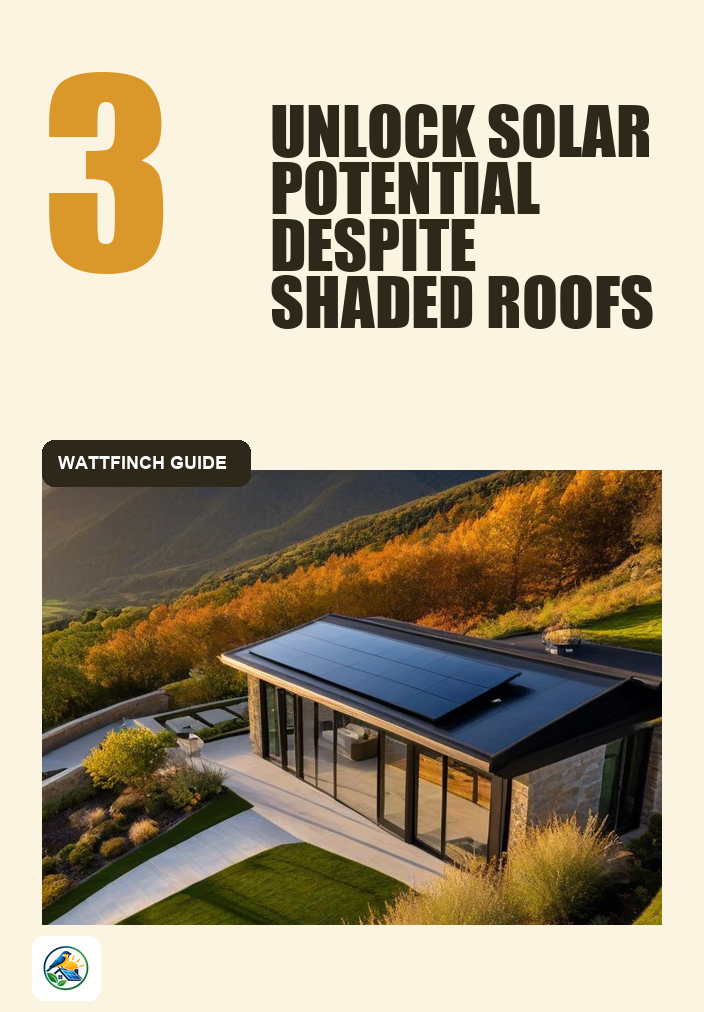
Understanding the Challenges of Shaded Roofs
When it comes to installing solar panels, homeowners often envision a sun-soaked roof generating energy to power their homes. However, for those with shaded roofs—whether due to trees, nearby buildings, or other obstructions—maximizing solar efficiency can be a bit more challenging. Understanding how shading affects solar production is essential for homeowners considering a rooftop solar system.
How Shade Affects Solar Panel Performance
Solar panels operate most efficiently when they receive direct sunlight. Shade can significantly reduce their output. Here are some key points to consider:
- Shading Types: Shading can be partial (some panels receive sunlight while others do not) or full (no sunlight reaches the panels). Partial shading typically causes a more significant reduction in energy production than you might expect.
- Impact on Output: Even a small amount of shade on one panel can decrease the performance of the entire solar array due to how solar cells are wired together. This is particularly true for traditional string inverters.
- Time of Day: The extent of shading can vary throughout the day. Some areas may be shaded in the morning but receive full sunlight in the afternoon, impacting your overall energy generation profile.
Evaluating Your Roof’s Solar Potential
Before committing to a solar installation, it’s crucial to assess your roof’s solar potential. Here are some steps to consider:
- Conduct a Shade Analysis: Use tools such as a solar pathfinder or smartphone apps that can help visualize how much sunlight your roof receives throughout the day and year.
- Consider Roof Orientation: South-facing roofs generally receive the most sunlight, but east and west orientations can also be effective, depending on shading.
- Evaluate Roof Condition: Ensure your roof is in good condition before installation. If repairs or replacements are needed, it may be best to address these before adding solar panels.
Options for Homes with Shaded Roofs
If your roof is shaded, several strategies can help maximize the efficiency of your solar system:
1. Choose the Right Type of Solar Panels
Not all solar panels are created equal. Some are designed to perform better in shaded conditions:
- Microinverters: These are installed on each panel and can optimize performance individually, minimizing the impact of shading on the entire system.
- Power Optimizers: Like microinverters, these devices optimize the performance of individual panels. They work well with traditional string inverters.
2. Optimize Panel Placement
For shaded roofs, strategic placement can make a significant difference. Work with a professional installer to find the least shaded areas for panel installation. They may recommend:
- Installing panels on a different roof section that receives more sunlight.
- Utilizing ground-mounted systems if roof space is limited or heavily shaded.
3. Consider Battery Storage
Integrating a home battery can be an effective solution for homeowners with shaded roofs. A battery allows you to store excess energy generated during sunny periods for use during less sunny times. This approach can help mitigate the effects of shading and provide backup power during outages.
4. Tree Trimming and Landscaping Adjustments
If shading is caused by trees or shrubs, consider whether trimming or removing some of these plants is feasible. Consult with a local arborist or landscape professional to determine the best approach without harming the environment or your property.
Understanding Financial Considerations
While the efficiency of solar panels is important, homeowners must also weigh the financial aspects of their solar investment. Here are some considerations:
- Initial Costs: The cost of solar panel installation can vary based on system size, equipment, and labor. Homes with shading may require additional equipment, such as microinverters or optimizers, which can increase upfront costs.
- Incentives and Tax Credits: Research available incentives and tax credits in your area. These can significantly impact the overall cost of installation. However, verify the current incentives as they can change over time.
- Long-Term Savings: While solar can reduce electricity bills, homeowners with shaded roofs may see less savings than those with unshaded roofs. A detailed analysis from a professional installer can help clarify potential savings.
When to Seek Professional Help
Consulting with a qualified solar installer is essential, especially for homes with shaded roofs. A professional can perform a comprehensive site assessment, analyze shading effects, and provide tailored recommendations. They can also help clarify local utility rules, permitting processes, and financing options. Getting multiple quotes can also help you compare services and pricing.
Next Steps for Homeowners
For homeowners considering solar energy, especially those with shaded roofs, the key is to gather as much information as possible. Start by:
- Conducting a preliminary evaluation of your roof’s shading and orientation.
- Researching local solar installers and requesting itemized quotes that detail equipment, installation costs, and potential performance.
- Reviewing available incentives and financing options with each installer to ensure you understand the full financial picture.
Maximizing solar efficiency on shaded roofs may require more planning and investment, but with the right strategies and professional guidance, it is possible to harness solar energy effectively.


















