
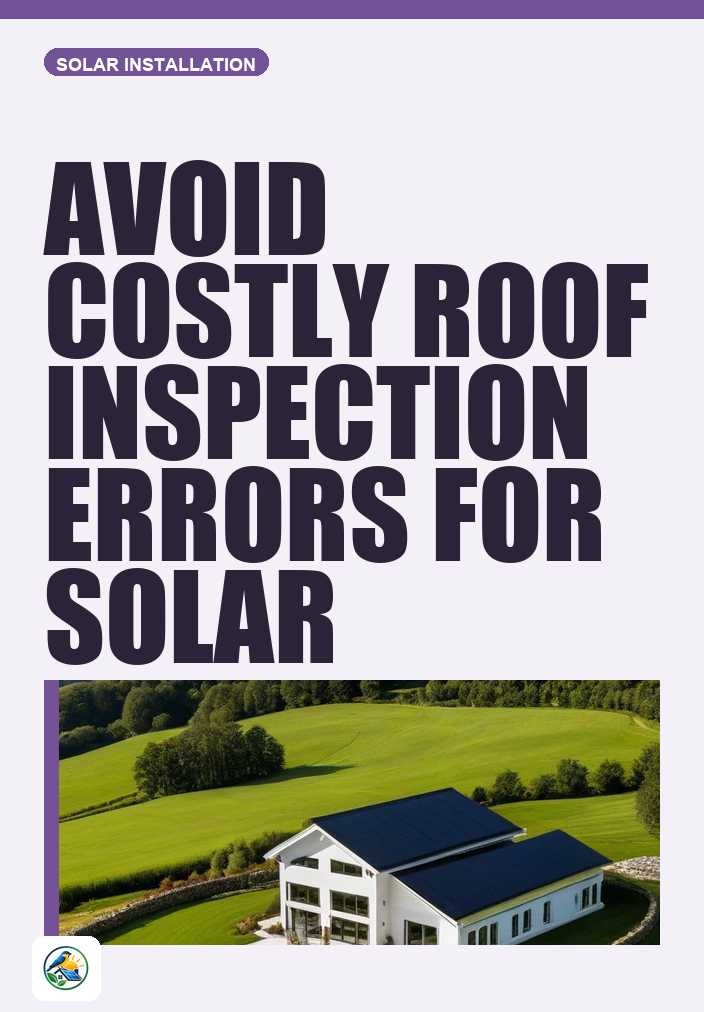
Understanding the Importance of Roof Inspections Before Solar Installation
When considering solar panels for your home, a thorough roof inspection is paramount. Many homeowners overlook this crucial step, leading to common mistakes that can complicate or even derail their solar installation process. This article will guide you through the importance of roof inspections and highlight the common pitfalls to avoid, ensuring a smoother path to solar energy.
Why Roof Condition Matters
Your roof is the foundation for your solar system. If your roof is in poor condition, you may encounter problems down the line. Here are a few reasons why a roof inspection is essential:
- Structural Integrity: Solar panels add extra weight to your roof. If the structure isn’t sound, it may not support the additional load.
- Longevity: If your roof needs repairs or replacement, it’s better to address these issues before installing solar panels. Otherwise, you might need to remove the solar system to perform necessary work later.
- Leak Prevention: Any existing leaks can worsen over time when covered by solar panels, leading to costly repairs and damage.
Common Mistakes to Avoid During Roof Inspections
1. Skipping the Inspection
One of the biggest mistakes homeowners make is skipping the roof inspection altogether. A professional inspection can identify hidden issues, such as weakened rafters or damaged shingles, that could affect the installation and performance of your solar system.
2. Relying on Visual Assessment Alone
Some homeowners may think they can evaluate their roof by merely looking at it. While a visual inspection can provide some insights, it often misses underlying problems. Professional inspectors use equipment and techniques that can reveal issues not visible to the naked eye.
3. Ignoring Roof Age and Material
The age and material of your roof play a significant role in determining its suitability for solar panels. For example, asphalt shingles typically last around 20 years, while metal roofs can last over 50 years. If your roof is nearing the end of its lifespan, consider replacing it before installing solar panels. Consult with your inspector about the best options based on your roof type.
4. Not Considering Roof Orientation and Shade
The orientation of your roof affects solar panel efficiency. South-facing roofs generally receive more sunlight, while shaded areas may not produce enough energy to justify the installation. A roof inspection should include an assessment of surrounding trees, buildings, or other objects that may cast shadows on your roof.
5. Overlooking Electrical System Compatibility
Your roof may be perfect for solar panels, but if your electrical system is outdated or incompatible, it can lead to complications. During the inspection, make sure to discuss your current electrical system with the inspector and consider whether upgrades may be necessary to support solar energy production.
Considerations for Different Roof Types
Each roof type has unique characteristics that can impact solar installation. Here’s a brief overview of common roof types and considerations:
- Asphalt Shingles: Common but may require replacement if nearing the end of their lifespan.
- Metal Roofs: Durable and long-lasting, making them ideal for solar installations.
- Tile Roofs: Aesthetically pleasing but can be heavier and may require additional structural support.
- Flat Roofs: Offer flexibility in installation but may require special mounting systems to optimize sunlight exposure.
What to Expect from a Professional Roof Inspection
A professional roof inspection typically involves a comprehensive assessment of your roof’s condition. Here’s what you can expect:
- Visual Inspection: Inspectors will look for visible damage, such as cracked shingles, rust on metal roofs, or sagging areas.
- Structural Assessment: They’ll evaluate the underlying structure to ensure it can support the weight of solar panels.
- Electrical Compatibility Check: Inspectors will assess your current electrical system and its compatibility with solar energy.
- Recommendations: After the inspection, they’ll provide recommendations for repairs or upgrades needed before solar installation.
Next Steps: Making an Informed Decision
Once you have completed your roof inspection, you’ll be better prepared to make an informed decision about solar installation. Here are some practical next steps:
- Compare Itemized Quotes: Obtain quotes from multiple qualified installers. Ensure they include details about equipment, installation costs, and any necessary upgrades.
- Verify Local Incentives: Research current local incentives and tax credits available for solar installations in your area. Always confirm this information with local utility companies or tax professionals.
- Evaluate Financing Options: Consider various financing options and their implications for your budget and long-term energy goals.
- Consult with Professionals: Don’t hesitate to ask questions or seek clarification from inspectors and installers regarding your specific situation.
By navigating the roof inspection process carefully and avoiding common mistakes, you can set the stage for a successful solar installation that meets your energy needs. Remember, informed decisions lead to better outcomes in your solar journey.


















