Understanding the Basics of Solar Installation in Massachusetts
As a homeowner in Massachusetts considering solar installation, you may be excited about the prospect of harnessing clean energy. While solar panels can provide numerous benefits, there are several common mistakes that homeowners make during the installation process. Understanding these pitfalls can help you make informed decisions and ensure that your solar investment is a success.
1. Skipping the Roof Assessment
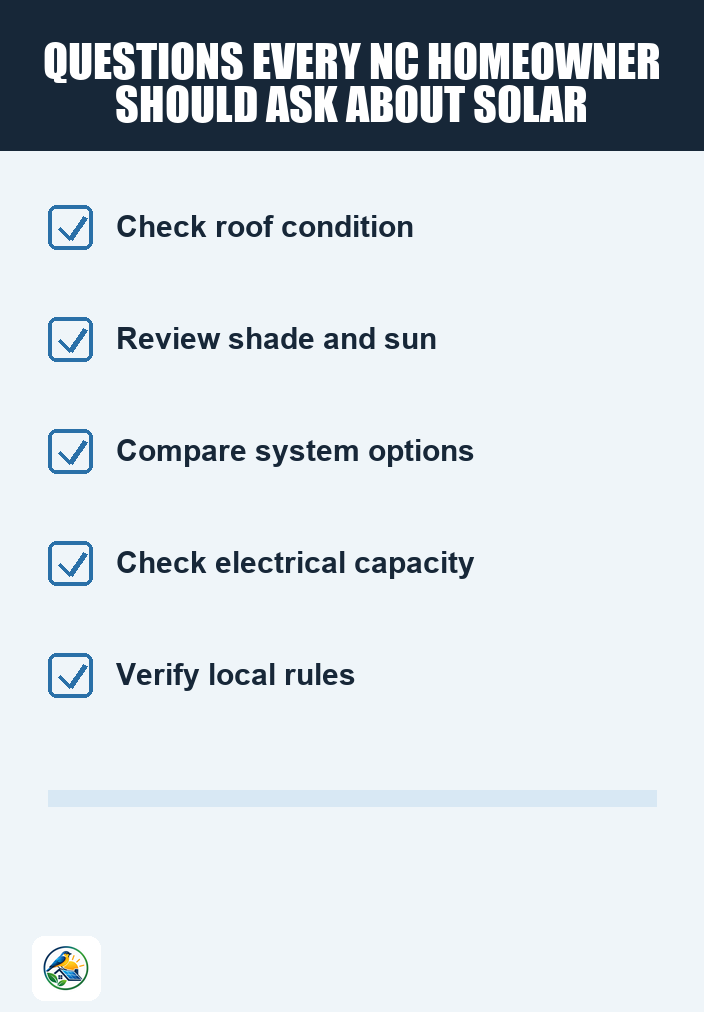
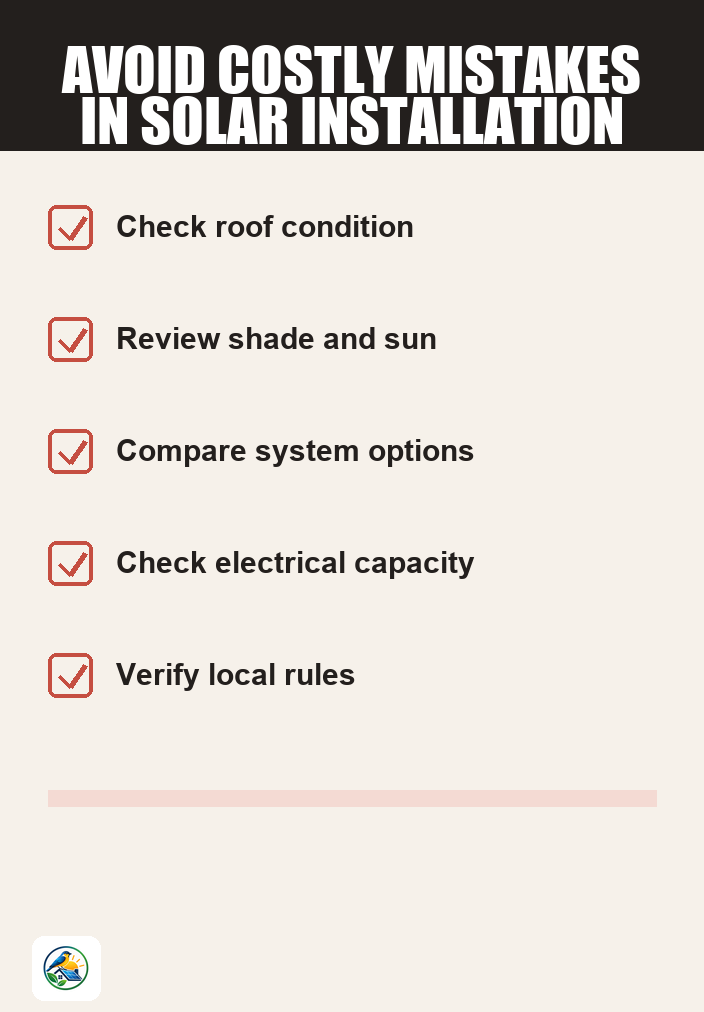
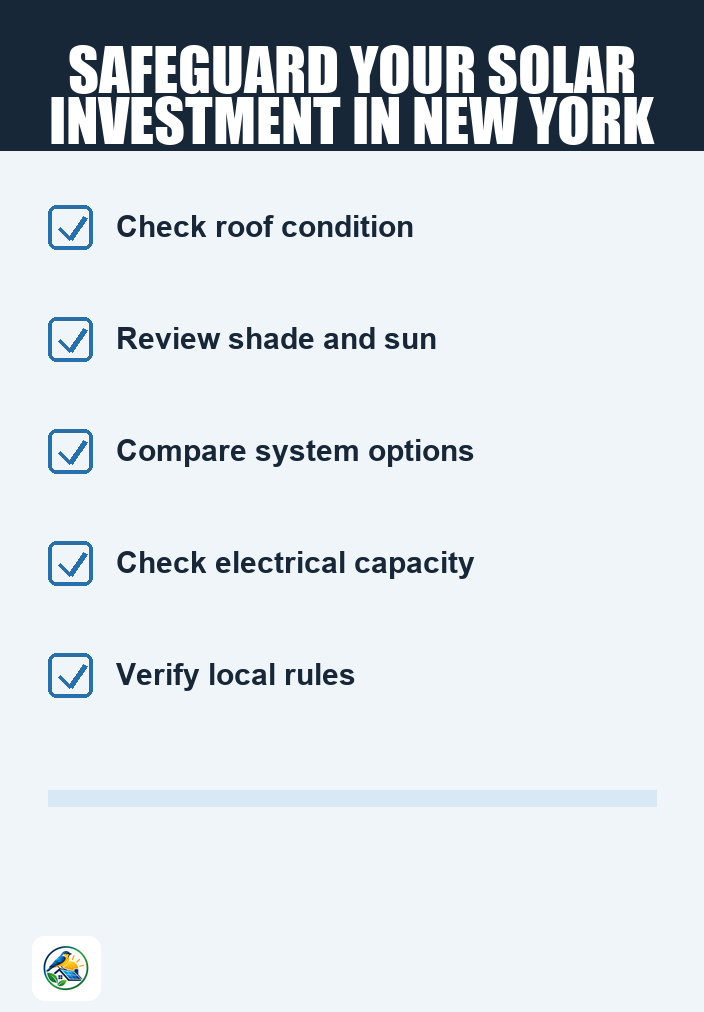
Before you even think about solar panels, it’s crucial to evaluate your roof’s condition. An old or damaged roof might not be suitable for solar panels, which could lead to costly repairs down the line. A professional installer can assess the roof’s integrity, checking for issues like leaks, sagging, or insufficient structural support.
2. Not Considering Solar Orientation and Shade
The orientation of your roof plays a significant role in the efficiency of solar panels. South-facing roofs typically receive the most sunlight, but this isn’t always an option. Additionally, nearby trees or buildings can cast shade, reducing solar production. A professional installer can help you determine the best placement and may suggest trimming trees or even installing panels on another part of your home.
3. Failing to Explore Local Incentives and Financing Options
Massachusetts offers various incentives for solar installations, including state rebates and federal tax credits. However, these incentives can change, and not all homeowners are aware of the options available to them. Before proceeding with installation, research current incentives and explore financing options. Some homeowners may benefit from solar loans, leases, or Power Purchase Agreements (PPAs).
4. Overlooking Interconnection Process and Utility Requirements
Connecting your solar system to the grid involves navigating your local utility’s requirements. Each utility has specific rules regarding interconnection, which can affect installation timelines and costs. Failing to understand these requirements can lead to delays or increased expenses. A qualified installer can help you navigate this process, ensuring all necessary paperwork is completed correctly.
5. Choosing the Wrong Type of System
Homeowners often choose between grid-tied systems, battery backup systems, or off-grid solutions. Each option has its pros and cons. For example, grid-tied systems are generally less expensive and easier to install, while battery backup systems provide emergency power during outages. Carefully consider your energy needs and how each system aligns with your lifestyle before making a decision.
6. Ignoring Electrical Upgrades
Depending on your home’s age and electrical system, you may need to upgrade your electrical panel to accommodate solar energy. This upgrade can add to the overall installation cost but is essential for ensuring that your system operates safely and efficiently. A professional installer can assess your current electrical system and provide recommendations for any necessary upgrades.
7. Not Comparing Multiple Quotes
One of the most significant mistakes homeowners make is failing to shop around for quotes. Obtaining multiple estimates from qualified installers can help you compare prices, equipment, and warranties. When reviewing quotes, look for itemized costs, including labor, equipment, and any additional fees. Make sure to compare apples to apples regarding the type of equipment and services offered.
8. Underestimating Maintenance and Long-Term Costs
While solar panels generally require minimal maintenance, they are not entirely maintenance-free. Homeowners should account for potential costs related to cleaning, inspections, or repairs. Additionally, if you opt for a battery backup, consider the lifespan and replacement costs, as batteries may need to be replaced every 5-15 years.
Next Steps: Making Informed Decisions
As you consider solar installation for your home, it’s essential to conduct thorough research and avoid common mistakes. Start by assessing your roof’s condition and exploring local incentives. Consult with qualified solar installers to obtain multiple itemized quotes, ensuring you compare the total costs and services offered. By taking these steps, you can make a more informed decision about whether solar energy is the right fit for your home.