
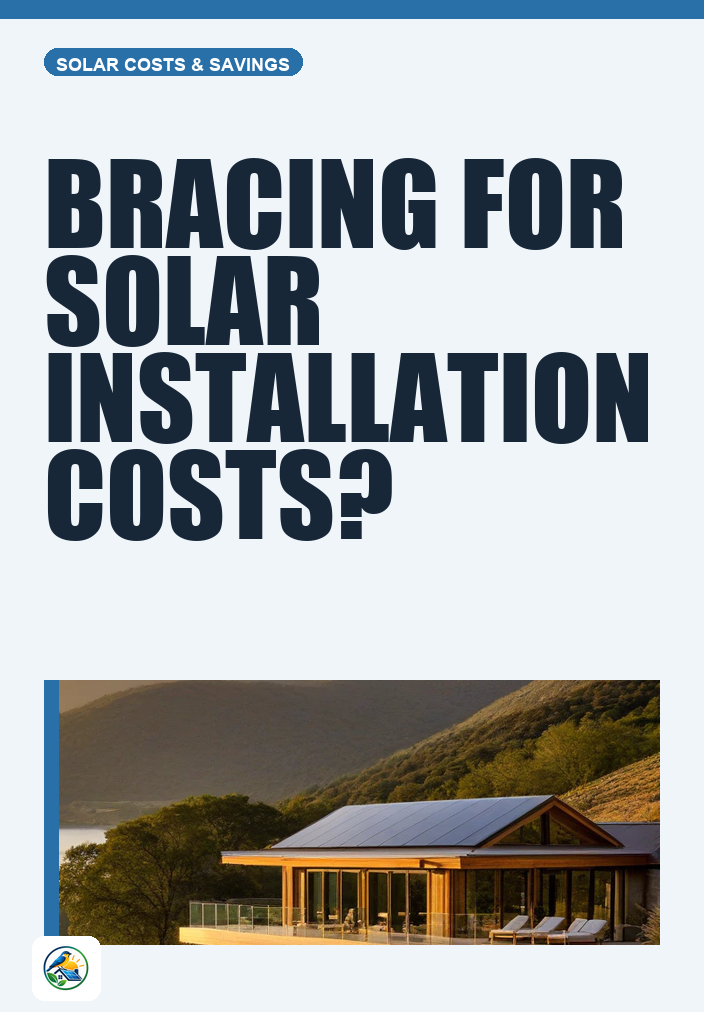
Understanding the Costs of Preparing Your 3000 Square Foot Home for Solar Installation
Deciding to install solar panels on your home is a significant commitment, particularly for a 3000 square foot residence. While many homeowners are drawn to the potential benefits of solar energy, it’s essential to understand the associated installation costs and preparation steps. This article outlines what you need to consider before moving forward with a solar installation.
Assessing Your Home’s Solar Potential
Before diving into the costs, the first step is to assess whether your home is suitable for solar energy. Here are some critical factors to consider:
- Roof Condition: A structurally sound roof is essential for solar panel installation. If your roof needs repairs or replacement, factor these costs into your budget.
- Orientation and Angle: South-facing roofs receive the most sun exposure. If your roof faces east or west, you may still be able to install solar, but it might affect efficiency.
- Shade: Trees, buildings, or other obstructions that cast shadows on your roof can significantly reduce solar panel effectiveness. Consider whether you can trim trees or if installing panels in a less shaded area is feasible.
- Local Climate: In regions with frequent cloud cover or heavy snowfall, solar production may be lower than in sunnier areas. Evaluate how climate impacts your potential solar energy output.
Estimating Installation Costs
The cost of installing solar panels varies widely based on several factors. For a 3000 square foot home, you can expect the following costs:
- System Size: The average solar system size for a home of this size typically ranges between 6 kW to 10 kW. The size directly influences the overall cost of the system.
- Panel Types: There are different types of solar panels available, each with varying prices and efficiencies. Higher-efficiency panels generally cost more but can produce more energy in limited space.
- Installation Labor: Professional installation is crucial for safety and efficiency. Labor costs can vary by region and the complexity of the installation.
- Permitting and Inspection Fees: These costs depend on local regulations and can add to the overall expense. Make sure to include estimates for permit applications and inspections in your budget.
- Electrical System Upgrades: If your home’s electrical system is outdated, you may need to invest in upgrades to handle the new solar installation. This can be a significant additional cost.
Considering Additional Features: Battery Backup and Generators
Many homeowners consider adding a battery backup system to their solar installation. Here’s what to know:
- Battery Costs: Battery systems can add significant costs to your solar project. Prices vary based on capacity and brand. For a typical home, battery systems can range from a few thousand to tens of thousands of dollars.
- Advantages of Battery Backup: Batteries allow you to store excess energy for use during outages or at night, providing additional security and flexibility.
- Generators: Some homeowners opt for a generator as a backup instead of a battery. While generators can be less expensive upfront, they require fuel and maintenance, potentially adding to long-term costs.
Evaluating Financing Options
When planning for solar installation, consider how you will finance it. Here are some common options:
- Cash Purchase: This method provides immediate ownership of the system and may qualify you for certain incentives, but it requires a significant upfront investment.
- Solar Loans: Many lenders offer loans specifically for solar installations. This option allows you to spread the cost over time, although it will involve interest payments.
- Leases and Power Purchase Agreements (PPAs): These options allow you to install solar with little or no upfront cost. However, you typically won’t own the system or receive the full benefits of tax credits.
Understanding Incentives and Local Regulations
Incentives can affect your overall costs significantly. However, they vary greatly depending on your location. Here are some points to consider:
- Federal and State Incentives: Various tax credits and rebates may be available, but these can change. Always verify current incentive programs with local government or tax authorities.
- Net Metering Policies: Understanding your local utility’s net metering rules is critical. This policy allows you to sell excess power back to the grid, potentially offsetting installation costs.
- Permitting and Interconnection: Each locality has its own permitting process for solar installations. Be sure to understand what is required before you begin the installation.
Getting Accurate Quotes from Installers
Once you’ve evaluated your home’s suitability for solar and considered the associated costs, the next step is to gather quotes from professional installers. Here’s how to approach this:
- Multiple Quotes: Contact several qualified solar installers to get itemized quotes. This will help you compare costs and services.
- Detailed Breakdown: Ensure the quotes include a detailed breakdown of installation costs, equipment, permits, and any other associated fees.
- Installation Timeline: Ask each installer about their expected timeline for installation, including any permitting or inspections that might delay the process.
Next Steps for Homeowners
Preparing your 3000 square foot home for solar installation involves careful consideration of various factors, costs, and options. Start by assessing your home’s solar potential, estimating installation costs, and exploring financing options. Gathering quotes from multiple qualified installers will help you make an informed decision about proceeding with solar energy. Remember to verify all local regulations and incentives to ensure you have the most accurate information for your situation.


















