
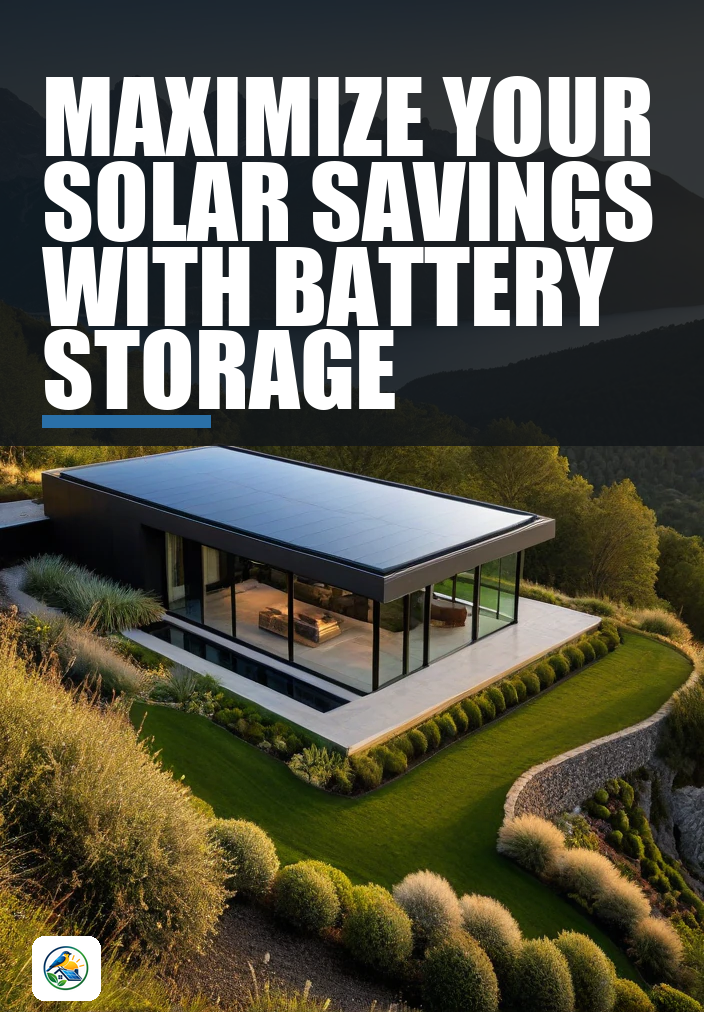
Understanding the Value of Adding Battery Storage to Your Solar Quote
As a U.S. homeowner considering a rooftop solar system, you may be asking yourself whether it makes sense to add battery storage to your solar quote. The decision to include battery storage can significantly impact your energy strategy, costs, and savings potential. This article will help you evaluate the options, trade-offs, and considerations involved in integrating battery storage with your solar installation.
What is Battery Storage and How Does it Work with Solar?
Battery storage systems allow you to store excess energy generated by your solar panels for later use. This means that when your solar system produces more electricity than you need during the day, the surplus can be stored in batteries. You can then draw on this stored energy during times when your solar panels are not producing electricity, such as at night or during cloudy days.
There are several types of battery systems available, including lithium-ion batteries and lead-acid batteries, each with different capacities, lifespans, and costs. Understanding the specific characteristics of these options is crucial as you compare quotes and consider which system might suit your needs best.
Pros and Cons of Adding Battery Storage
When weighing the decision to add battery storage to your solar quote, it’s important to consider both the benefits and drawbacks:
Benefits of Battery Storage
- Energy Independence: Storing energy can reduce your reliance on the grid, providing more control over your energy usage.
- Backup Power: In the event of a power outage, batteries can provide a reliable backup power source for essential appliances.
- Time-of-Use Savings: If your utility offers time-of-use rates, you can store energy during off-peak hours and use it during peak hours, potentially saving on electricity costs.
- Increased Self-Consumption: By using stored energy, you can maximize your solar investment and reduce the amount of energy you need to purchase from your utility.
Drawbacks of Battery Storage
- Initial Costs: Battery systems can add a significant expense to your solar installation, which may not be recouped quickly depending on your energy usage and local utility rates.
- Limited Lifespan: Batteries have a finite number of charge cycles, and their performance can degrade over time, requiring eventual replacement.
- Installation Complexity: Adding battery storage may complicate your solar installation, potentially requiring additional permits and electrical upgrades.
- Space Requirements: Batteries require physical space for installation, which can be a consideration for homeowners with limited room.
Evaluating Your Energy Needs and Usage Patterns
Before deciding whether to add battery storage, it’s essential to assess your energy needs and usage patterns. Here are some questions to consider:
- What is your average daily energy consumption? Review your utility bills to gather this information.
- How much of your energy consumption do you expect to offset with solar? This will help determine the capacity you may need.
- Do you experience frequent power outages? If so, a battery could provide valuable backup power.
- Are you on a time-of-use rate plan? This could affect your potential savings from storing energy.
Comparing Solar Quotes: With and Without Battery Storage
When comparing solar quotes, it’s essential to look at both the solar-only option and the solar-plus-battery option. Here are some aspects to consider:
- Itemized Costs: Ensure that both quotes include detailed itemization, so you can see how much each component costs, including installation, equipment, and warranties.
- Incentives and Rebates: Check if there are any local incentives for battery storage that could affect your overall costs.
- Performance Estimates: Look for performance estimates in both quotes. A good installer should provide insights into how much energy you can expect from each system.
- Warranty and Support: Compare warranties for both the solar panels and the battery storage system. Understand what support the installers offer post-installation.
Considerations for Your Home’s Unique Situation
Every home is different, and several factors can influence the decision to add battery storage:
- Roof Condition and Orientation: A roof in good condition with optimal solar orientation will capture more sunlight, potentially reducing the need for extensive battery storage.
- Shade Issues: If your roof is shaded for parts of the day, battery storage might help you make better use of the energy generated when the sun is shining.
- Future Plans: Consider your long-term plans. If you plan to add electric vehicles or expand your home, battery storage may become more beneficial.
- Local Utility Policies: Some utilities have specific rules regarding net metering and energy buy-back programs. Understanding these can inform your decision about battery storage.
Professional Assessment: The Value of Expert Quotes
To make a well-informed decision, it’s advisable to consult with qualified solar installers who can assess your home and energy needs. A professional assessment can provide insights into:
- Appropriate system sizing for both solar and battery storage.
- Customization options based on your unique energy requirements.
- Local regulations and permitting processes that may affect installation.
Having multiple detailed quotes from reputable installers will allow you to compare your options effectively, ensuring you choose the system that best meets your needs.
Next Steps: Making an Informed Decision
As you consider whether to add battery storage to your solar quote, take the time to evaluate your energy consumption, compare itemized quotes, and consult with experienced installers. Make sure to verify current local utility, installer, government, or tax information regarding incentives and policies. This thorough approach will help you make an informed decision that aligns with your energy goals and financial situation.


















