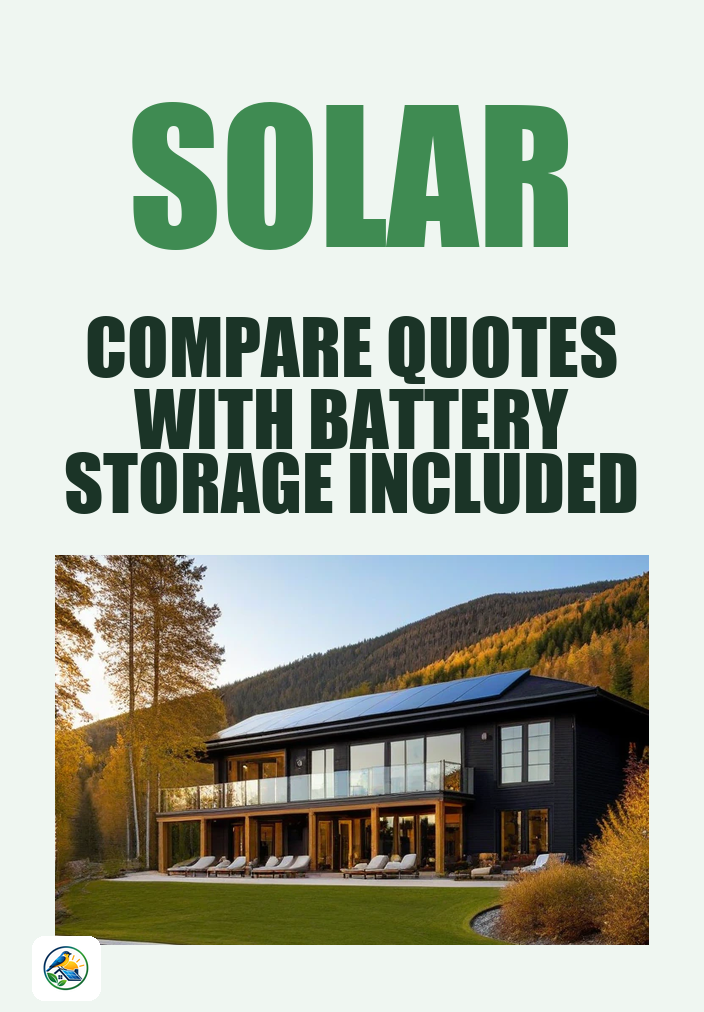
Understanding Battery Storage in Solar Quotes
When considering a rooftop solar system for your home, one of the critical decisions involves whether to include battery storage in your setup. Battery storage can offer various advantages, especially in certain scenarios, but it also adds complexity and cost to your solar investment. This article will help you navigate the decision-making process by outlining the trade-offs, benefits, and considerations regarding battery storage when comparing solar quotes.
What is Battery Storage and Why Consider It?
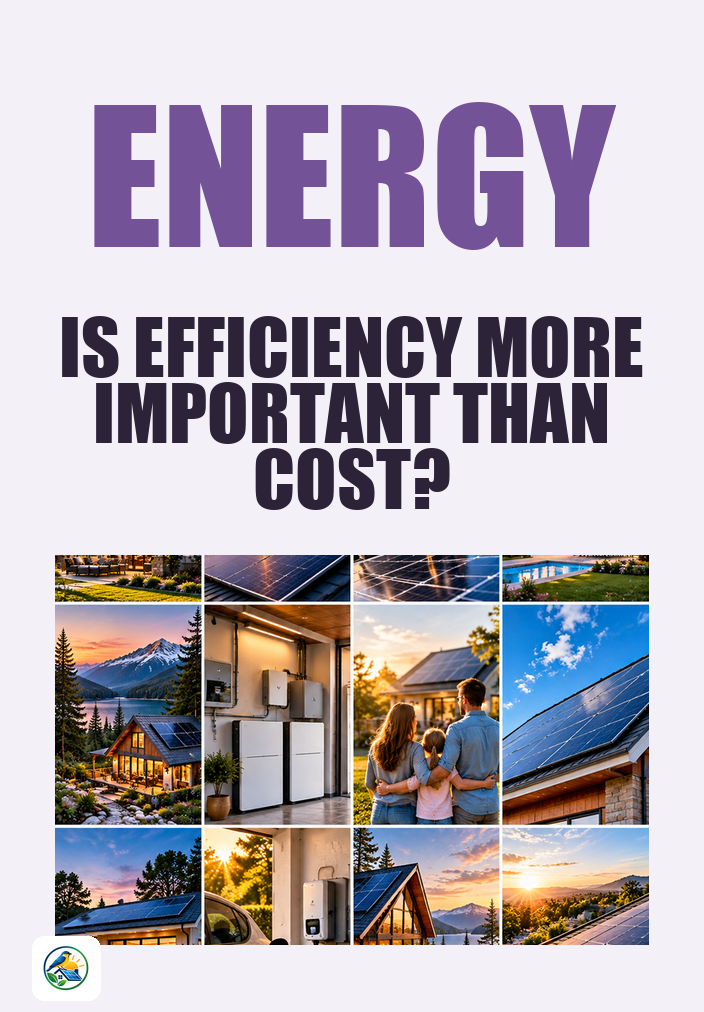
Battery storage allows homeowners to store excess energy generated by their solar panels for use during times when solar production is low, such as at night or on cloudy days. This capability can enhance your energy independence and provide a backup power source during outages. However, the decision to include battery storage in your solar quotes comes with several factors to consider.
Benefits of Including Battery Storage
- Energy Independence: Battery storage can reduce your reliance on the grid, making your home less vulnerable to utility rate increases and outages.
- Backup Power: In areas prone to power outages, having a battery can keep essential appliances running when the grid goes down.
- Maximizing Solar Usage: With a battery, you can store and use more of your solar energy rather than sending it back to the grid, which may offer limited financial benefits depending on local net metering policies.
- Environmental Considerations: Using stored solar energy reduces your carbon footprint and reliance on fossil fuels.
Potential Drawbacks of Battery Storage
- Higher Initial Costs: Battery systems can significantly increase the upfront cost of your solar installation.
- Maintenance and Lifespan: Batteries require maintenance and have a limited lifespan, which may necessitate future replacements.
- Space Requirements: Depending on your home’s layout, finding a suitable location for battery storage can be challenging.
- Complexity: Adding battery storage may complicate the installation process and could require additional permits or electrical upgrades.
Comparing Solar Quotes: What to Look For
When evaluating solar quotes, it’s essential to ensure that you’re comparing apples to apples, especially when it comes to battery storage. Here are some key factors to consider:
Itemized Pricing
Make sure each quote itemizes the cost of solar panels, installation, and battery storage separately. This transparency allows you to see the additional investment required for battery storage and helps you weigh whether the benefits align with your energy needs and budget.
Battery Specifications and Capacity
Different batteries offer varying capacities and functionalities. When comparing quotes, ask for details about:
- Storage Capacity: Measured in kilowatt-hours (kWh), this indicates how much energy the battery can store.
- Power Output: This is the rate at which the battery can deliver energy, measured in kilowatts (kW).
- Warranty and Lifespan: Understand the warranty terms and expected lifespan of the batteries offered.
Inverter Considerations
Battery systems often require a compatible inverter to manage energy flow between the solar panels, battery, and home. Check whether the quote includes a suitable inverter or if that’s an additional cost.
Common Scenarios for Battery Storage Use
Determining whether to include battery storage may depend on your specific circumstances. Here are a few scenarios where battery storage may be particularly beneficial:
Frequent Power Outages
In regions where power outages are common, a battery can provide peace of mind and ensure that you have access to electricity when you need it most.
High Electricity Rates
If your local utility charges high rates during peak hours, storing solar energy for use during these times can provide savings by avoiding expensive grid power.
Low Net Metering Benefits
If your area offers limited compensation for excess solar energy sent back to the grid, storing energy for your own use can prove more beneficial.
Future-Proofing Your Home
As more homeowners look to energy independence and sustainability, including battery storage may increase your home’s appeal and resilience against future energy challenges.
Next Steps: Making Your Decision
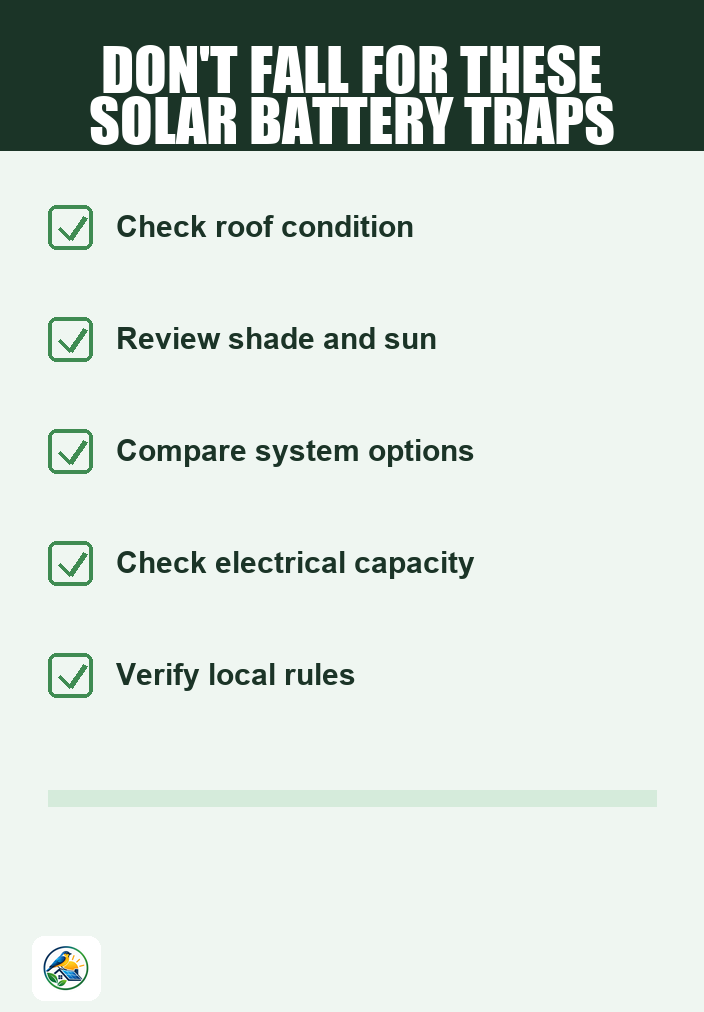
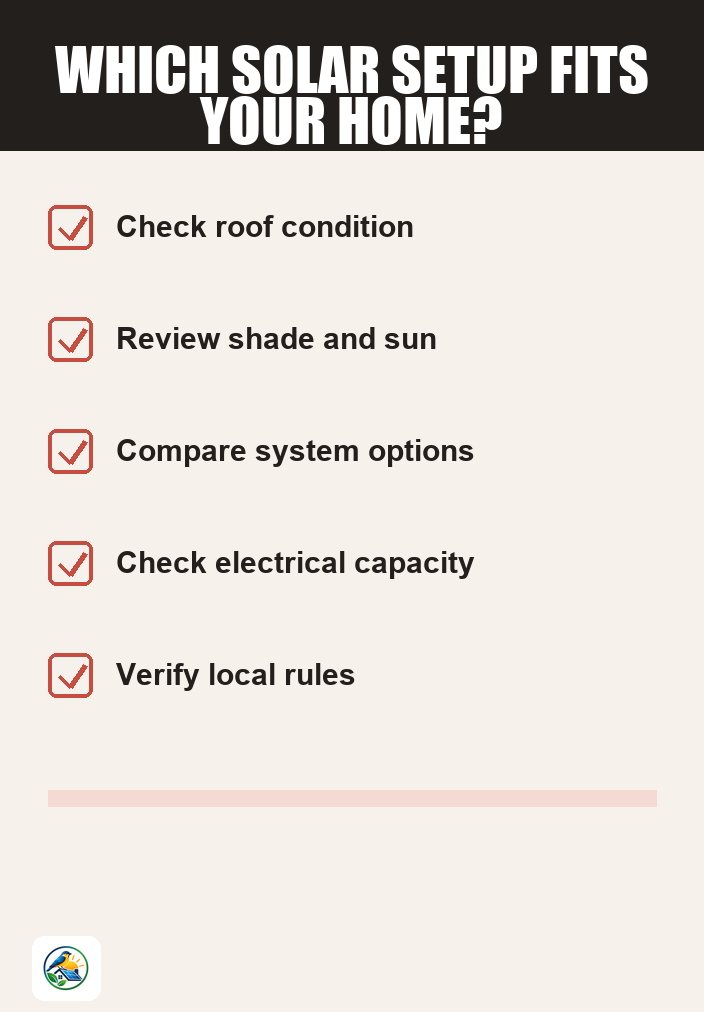
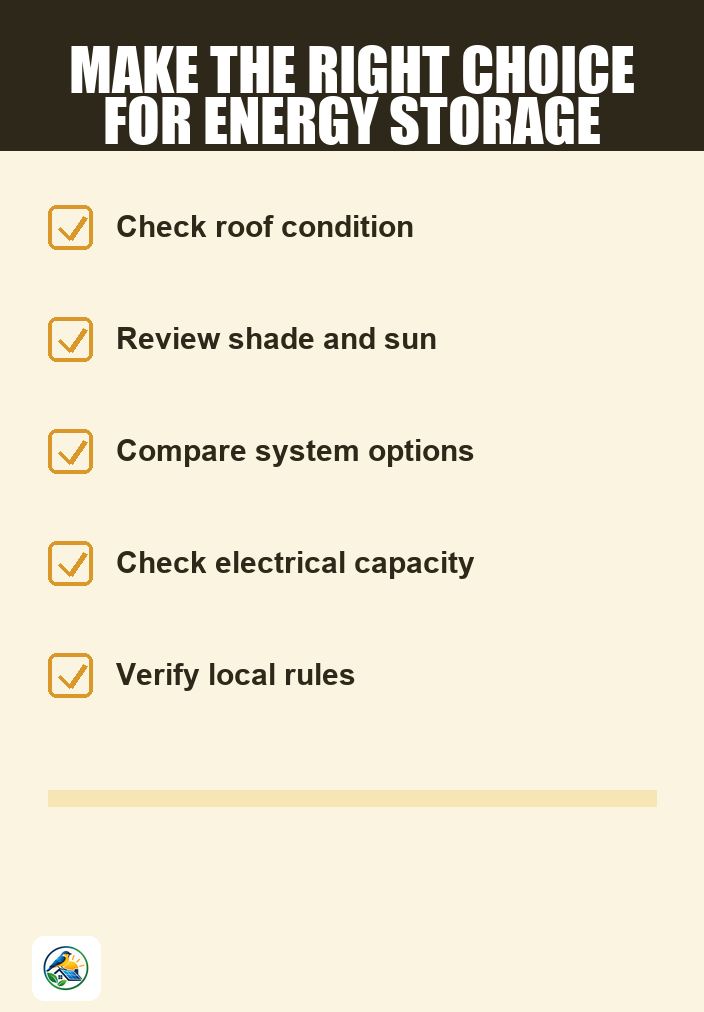
As you consider whether to include battery storage in your solar quotes, it’s essential to evaluate your energy needs, budget, and local conditions. Here are some practical steps to follow:
- Gather Multiple Quotes: Request quotes from multiple qualified solar installers, ensuring they include both solar panel and battery options.
- Compare Itemized Costs: Look closely at how each quote breaks down costs for solar panels, installation, and batteries.
- Ask Questions: Don’t hesitate to ask installers about the specifications of the batteries they offer, warranties, and installation requirements.
- Research Local Policies: Verify local utility regulations, incentives, and policies that may affect your decision.
- Evaluate Your Home’s Specifics: Consider factors like roof orientation, shading, and space for installation that may impact your solar and battery setup.
Ultimately, including battery storage in your solar quotes could enhance your energy independence and provide backup power, but it’s essential to weigh these benefits against the additional costs and complexities involved. By taking the time to compare quotes thoughtfully and consider your unique circumstances, you can make a well-informed decision that aligns with your energy goals.