
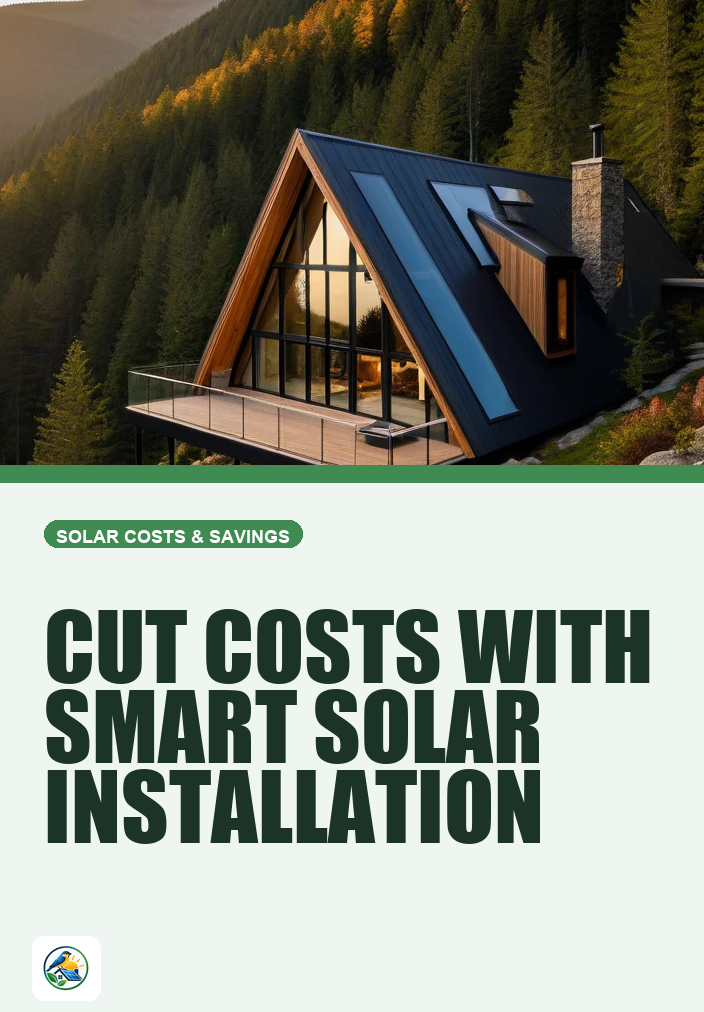
Understanding the Cost of Solar Installation for Your 1500 Square Foot Home
If you’re considering installing a solar energy system on your 1500 square foot home, it’s important to understand the various costs involved. This checklist will guide you through the key factors to consider, helping you make an informed decision about whether solar is a good fit for your property. Remember, every home is unique, and costs will vary based on location, roof condition, and personal energy needs.
Assessing Your Energy Needs
Before diving into installation costs, assess your current energy consumption. Here’s how:
- Review Your Electric Bills: Look back over the past 12 months to find your average monthly usage in kilowatt-hours (kWh).
- Consider Seasonal Variations: If your energy usage fluctuates by season (higher in summer for air conditioning, for example), factor this into your calculations.
- Estimate Future Needs: If you plan to add significant energy loads (like an electric vehicle), consider these in your total energy requirements.
Components of Solar Installation Costs
The cost of a solar installation can be broken down into several key components:
1. Solar Panels
The panels themselves typically account for a significant portion of the overall cost. Prices vary based on efficiency, type (monocrystalline, polycrystalline, etc.), and manufacturer.
2. Inverter
The inverter converts the DC electricity generated by the solar panels into AC electricity that your home can use. Options include string inverters, microinverters, and power optimizers, each with different cost implications.
3. Mounting Hardware
Depending on your roof type and layout, you’ll need different mounting solutions, which can affect installation costs. Flat roofs may require different hardware than pitched roofs.
4. Installation Labor
Labor costs can vary significantly by region and the complexity of the installation. Make sure to get multiple quotes from qualified installers to find the best rate.
5. Permitting and Inspection Fees
Most localities require permits for solar installation. These fees vary by location, so check your local regulations to understand what to expect.
6. Electrical Upgrades
If your home’s electrical system is outdated or not compatible with solar, you may need to invest in upgrades. This can add to your overall costs.
Considering Optional Add-Ons
While the basic solar installation is key, optional add-ons can enhance your system:
- Home Battery Storage: If you want to store excess energy for later use, a battery system can be a good investment, though it will increase your upfront costs.
- Smart Home Integration: Integrating your solar system with smart home technology can help you monitor and optimize energy use.
- Monitoring Systems: Many systems offer monitoring software to track energy production and consumption, providing insights into your system’s performance.
Estimating Total Installation Costs
To estimate the total installation cost for your 1500 square foot home, consider the following:
- Average system size: Most homes of this size may require a system between 5-7 kW, depending on energy needs.
- Cost per watt: Solar installation costs can range from $2.50 to $3.50 per watt, including equipment and installation.
- Example Calculation: A 6 kW system at $3.00 per watt would cost approximately $18,000 before incentives.
Understanding Incentives and Financing Options
Many homeowners are eligible for various incentives that can reduce the upfront cost of solar installation:
- Federal Tax Credit: Currently, a federal tax credit allows homeowners to deduct a percentage of solar installation costs from their federal taxes. Check for the latest rates as they can change.
- State and Local Incentives: Some states offer additional rebates or tax credits. Research local programs for potential savings.
- Financing Options: Options may include solar loans, leases, or power purchase agreements (PPAs). Each has different financial implications that should be carefully evaluated.
Key Considerations Before Proceeding
Installing solar panels is a significant investment. Here are some considerations to keep in mind:
- Roof Condition: Ensure your roof is in good condition and can support solar panels. If it needs repairs or replacement, address this first.
- Shade and Orientation: Evaluate how shade from trees or buildings may impact your system’s efficiency. Ideally, panels should face south for maximum sunlight exposure.
- Utility Policies: Understand your local utility’s net metering policies, which influence how you receive credit for excess energy produced.
- Long-Term Plans: Consider how long you plan to stay in your home. Solar is generally a long-term investment, and short-term homeowners may not see the full benefits.
Next Steps: Gathering Quotes
Once you have a clear understanding of the costs and considerations associated with installing solar panels, it’s time to reach out to qualified installers. Request itemized quotes from multiple vendors to compare costs, equipment, warranties, and services. This will help you make an informed decision based on your specific situation and goals.
Remember, investing in solar energy is not a one-size-fits-all solution. Take the time to evaluate your options and consult with professionals to determine what works best for your home.


















