
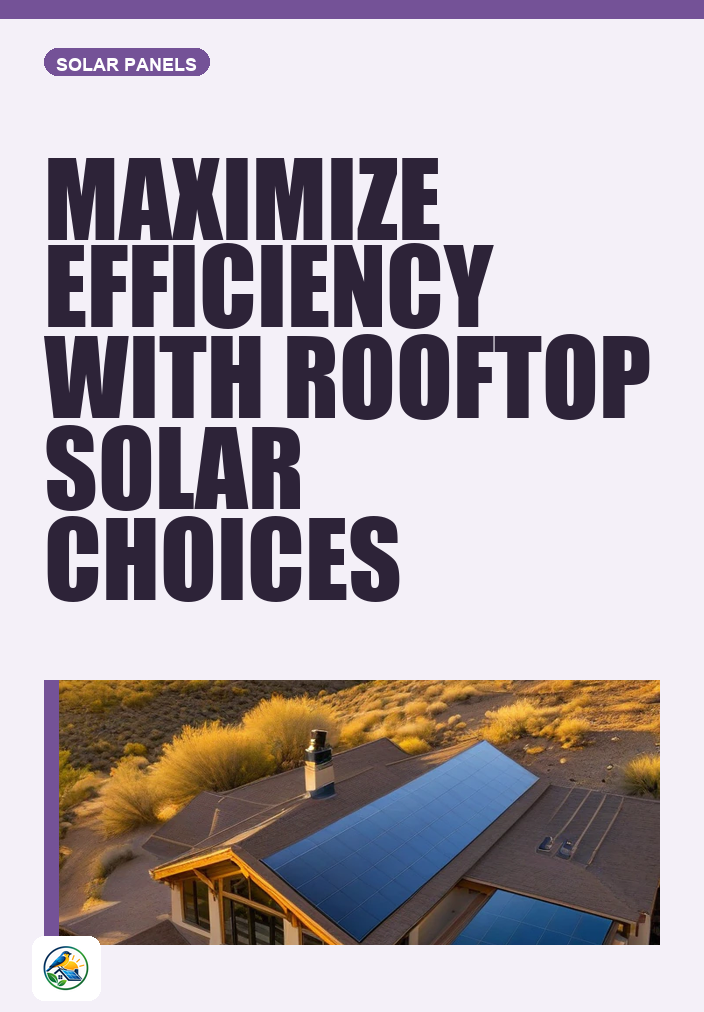
Solar Panels on Steep Roofs vs. Flat Roofs: Which Installation Is More Efficient?
When considering a residential solar panel installation, one key aspect that homeowners often overlook is the type of roof they have. Roofs come in various shapes and slopes, each presenting unique advantages and challenges for solar panel installation. In this article, we will explore the efficiency of solar panels installed on steep roofs compared to flat roofs, helping you better understand the options available for your home.
Understanding Roof Types and Solar Efficiency
Before diving into the comparisons, it’s essential to recognize the different roof types. Generally, roofs are categorized as flat or steep, with steep roofs typically having a pitch greater than 15 degrees. The angle and orientation of your roof play crucial roles in determining solar panel efficiency.
Flat Roofs: Pros and Cons
Advantages of Flat Roofs
- Flexible Installation: Flat roofs allow for more versatile mounting options. Installers can tilt panels at optimal angles to capture sunlight throughout the day.
- Ease of Access: Flat roofs are generally easier to access, making installation and maintenance simpler and safer for solar technicians.
- Space Utilization: Homeowners can often install multiple arrays on flat roofs, maximizing energy production without the constraints of roof angles.
Disadvantages of Flat Roofs
- Potential for Water Pooling: Flat roofs can experience drainage issues, leading to water pooling, which may require additional maintenance and could shorten the lifespan of solar panels.
- Less Natural Sun Exposure: Depending on the surrounding landscape and buildings, flat roofs might be more susceptible to shading, which can significantly affect solar production.
Steep Roofs: Pros and Cons
Advantages of Steep Roofs
- Natural Sun Exposure: Steep roofs often provide better sun exposure for a larger portion of the day, especially if they face south or southwest.
- Self-Cleaning: The slope helps rain wash dust and debris off the panels, potentially reducing maintenance needs.
- Aesthetic Integration: Panels mounted on steep roofs can blend seamlessly with the home’s architecture, often resulting in a more visually appealing installation.
Disadvantages of Steep Roofs
- Installation Complexity: The steep pitch may complicate the installation process, requiring more specialized equipment and safety measures.
- Limited Mounting Options: The angle of a steep roof can limit the ability to adjust panel positioning, potentially reducing overall efficiency.
- Higher Installation Costs: Due to the increased complexity, installation on steep roofs can be more expensive compared to flat roofs.
Comparative Efficiency: Key Considerations
When evaluating the efficiency of solar panels on steep versus flat roofs, several factors come into play:
- Orientation: The direction your roof faces can significantly impact solar production. South-facing roofs generally receive the most sunlight, while east and west-facing roofs will still generate energy but may not be as efficient.
- Shading: Nearby trees, buildings, or other obstructions can cast shadows on your panels, reducing efficiency. Flat roofs might be more susceptible to shading depending on their location.
- Panel Tilt: The tilt of solar panels affects how much sunlight they can capture. Flat roofs allow for adjustable mounts, while steep roofs may have fixed angles.
- Local Climate: Weather conditions can also influence efficiency. Areas with heavy snowfall may benefit from steep roofs for snow shedding, while regions with significant rainfall might require careful consideration for flat roofs.
Homeowner Considerations for Solar Installation
Before making a decision, here are some practical considerations to keep in mind:
- Roof Condition: Ensure your roof is in good repair. Solar panels can last 25 years or more, so it’s essential that your roof can support them without requiring major repairs during that time.
- Future Plans: Consider any future renovations or expansions that might affect your roof. If you plan to remodel, it may be wise to wait until those changes are complete.
- Utility Policies: Research local utility regulations regarding net metering, interconnection, and incentives, as these can vary significantly depending on your location.
- Professional Consultation: Obtaining quotes from qualified solar installers can provide you with tailored information based on your specific roof type, orientation, and local conditions.
Next Steps: Making Your Solar Decision
Choosing between solar panel installation on a steep roof versus a flat roof involves evaluating both the advantages and disadvantages of each option. Consider the unique aspects of your home and consult with professionals to get accurate assessments tailored to your situation.
Don’t forget to compare itemized quotes from multiple qualified installers to ensure you’re making the best decision for your home’s solar needs. Each quote should clearly outline installation specifics, potential energy production, and any required upgrades, helping you make an informed choice.
As you move forward, remember to verify current incentives and policies with local utility providers or government resources to ensure you have the most accurate and relevant information for your solar journey.


















