
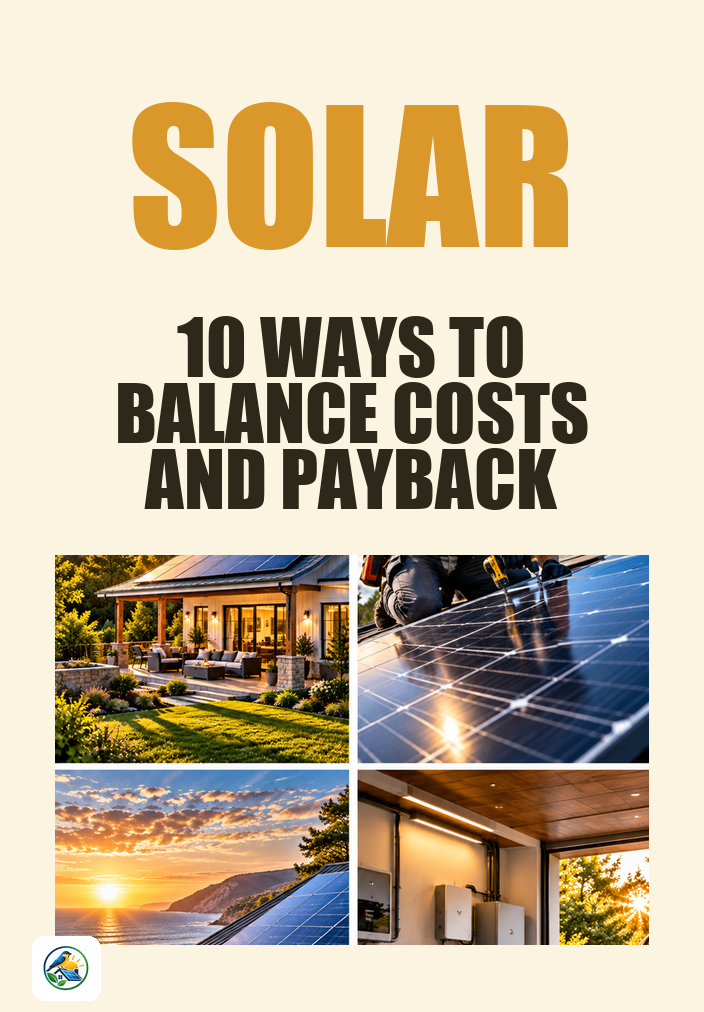
Understanding the Solar Payback Period
When considering a residential solar system, two critical factors often come into play: the upfront costs and the solar payback period. Understanding both can help homeowners make informed decisions about whether solar energy is a viable option for their homes.
The solar payback period is the time it takes for the savings generated by a solar system to equal the initial investment. For many homeowners, this metric is crucial. It helps assess how long it will take to recoup the costs of purchasing and installing solar panels. However, upfront costs can also heavily influence the decision-making process, especially if homeowners are on a tight budget. So, which factor should be prioritized?
Defining Upfront Costs
Upfront costs for a solar installation can vary significantly based on several factors, including:
- System Size: Larger systems may cost more upfront but can potentially produce more energy.
- Equipment Quality: Higher-quality panels and inverters may come with a higher price tag but can offer better performance and longer warranties.
- Installation Complexity: If your roof requires extensive work or if you have a unique home layout, installation costs may increase.
- Location: Prices can vary based on local market conditions, labor costs, and regulatory fees.
In addition to these factors, homeowners should also consider any financing options available. Choosing a solar loan, lease, or power purchase agreement (PPA) can affect the immediate financial burden and long-term savings.
Understanding Solar Payback Period
The payback period is typically calculated by dividing the total upfront costs of the solar system by the annual savings on electricity bills. While this sounds straightforward, several variables can influence the outcome:
- Electricity Rates: If rates are high in your area, the payback period could be shorter, as the savings from reduced electricity bills will be greater.
- Incentives and Rebates: Federal, state, and local incentives can significantly lower upfront costs, impacting the payback period. However, the specifics often change, so verifying current incentives is essential.
- Energy Production: The amount of energy your solar system produces depends on factors like orientation, shading, and local weather patterns.
As a rough guideline, many homeowners can expect a payback period ranging from 5 to 15 years. However, individual circumstances will vary widely.
Evaluating the Importance of Each Factor
To determine which factor is more important—upfront costs or payback period—homeowners should consider their unique situations.
When Upfront Costs Matter Most
If you are working with a tight budget or have limited cash reserves, upfront costs may take precedence. Here are some considerations:
- If the initial investment is too high, you may want to explore financing options or even consider a smaller system.
- Look for local or state incentives that can reduce upfront costs significantly.
- Consider the long-term implications of financing. Some loans may have high-interest rates that can negate savings.
When Payback Period Is a Priority
If you are financially secure and can afford a higher upfront investment, focusing on the payback period might make more sense. This is especially true if:
- You live in an area with high electricity rates that could shorten your payback period.
- You have plans to remain in your home long enough to benefit from the long-term savings.
- You are interested in maximizing your return on investment (ROI) and are willing to invest in higher-quality equipment.
Example Scenarios
Let’s consider two hypothetical homeowners, Sarah and John, who are contemplating solar installations:
Sarah’s Scenario
Sarah has a limited budget and can only afford a smaller solar system. Her primary concern is keeping upfront costs low. After researching local incentives, she discovers a state rebate that significantly reduces her initial investment. Although her payback period will be longer due to the smaller system size, she feels comfortable with the financing options that fit her budget.
John’s Scenario
John, on the other hand, has a solid financial background and is looking to invest in a larger system. He’s interested in maximizing energy production and understands that a higher upfront cost will yield greater long-term savings. He calculates that even with a longer payback period, the system will pay off in the long run, particularly given the incentives available in his area.
Common Trade-offs and Considerations
When weighing upfront costs against the payback period, homeowners should also consider the following:
- Roof Condition: If your roof needs repairs or is not suitable for solar panels, you may incur additional costs.
- Shading and Orientation: Trees, buildings, or roof angles can affect energy production and thus alter the payback period.
- Battery Backup: If you opt for a battery backup system, this can significantly increase upfront costs but may offer peace of mind during power outages.
- Permitting and Utility Rules: These can vary widely by location and may introduce unexpected costs or delays.
Next Steps for Homeowners
Deciding between upfront costs and payback period is a personal choice that depends on individual financial situations and long-term plans. Here are some practical next steps:
- Research local solar incentives and financing options to see how they impact both upfront costs and payback periods.
- Get itemized quotes from multiple qualified solar installers to compare costs and projected savings.
- Consider having an energy audit to understand your home’s energy needs and potential solar production.
- Evaluate your long-term plans. If you plan to stay in your home for many years, a focus on the payback period may be more beneficial.
By carefully weighing these factors, homeowners can make an informed decision that aligns with their financial goals and energy needs.


















