
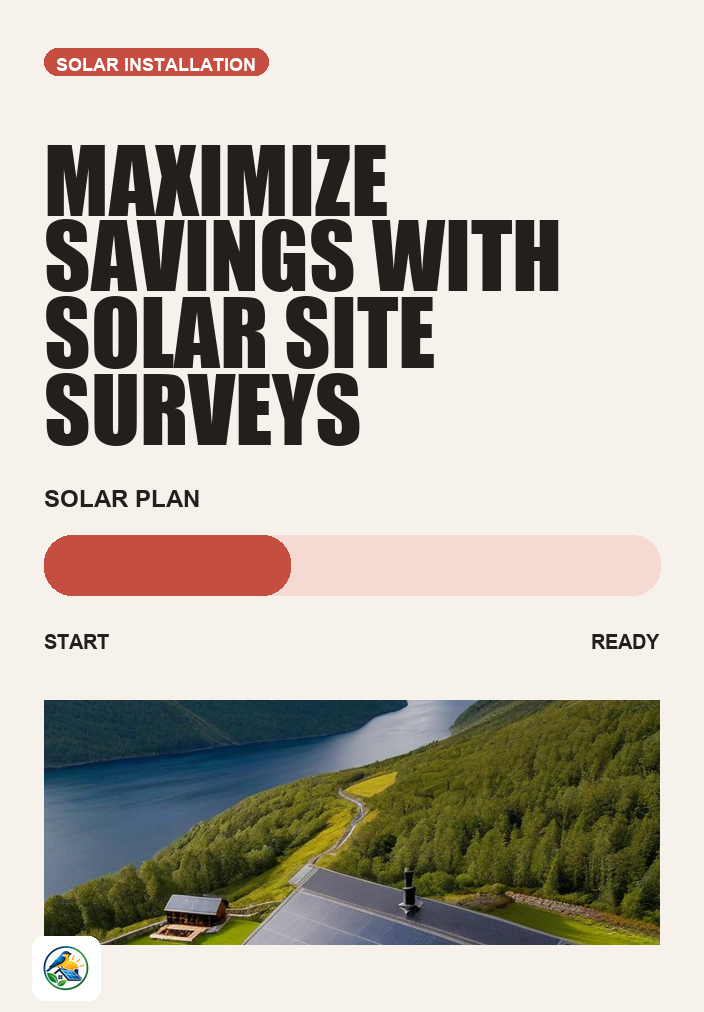
Understanding Solar Site Surveys vs. Traditional Assessments
As you consider a solar installation for your home, you may encounter two primary methods of evaluation: solar site surveys and traditional assessments. Both approaches aim to determine the feasibility and efficiency of a solar energy system, but they differ significantly in methodology, depth of analysis, and ultimately, the potential impact on your investment. So which one saves you more? Let’s explore the differences, advantages, and considerations of each option to help you make an informed decision.
What is a Solar Site Survey?
A solar site survey is a detailed evaluation conducted by a professional installer to assess your property’s unique characteristics. This assessment typically involves a site visit where the technician evaluates various factors that influence solar performance, including:
- Roof orientation and angle
- Shading from trees, buildings, or other obstructions
- Roof condition and material
- Available space for solar panels
- Electrical system capacity
During a solar site survey, the installer may use tools like solar pathfinders or even software simulations to analyze how much sunlight your roof receives throughout the year. This information is crucial in designing a solar system tailored to your home, maximizing energy production, and ensuring that your investment is as effective as possible.
What is a Traditional Assessment?
Traditional assessments, on the other hand, may involve a more generic evaluation of your home’s suitability for solar energy. This can include reviewing basic information about your property, such as:
- Square footage
- Existing energy consumption patterns
- General roof characteristics, without detailed measurements
- Utility information
These assessments might rely on publicly available data or previous installations in your area, and while they can provide a rough idea of potential savings and system size, they lack the precision offered by a solar site survey.
Comparing Costs and Benefits
When it comes to cost, a solar site survey will typically involve a fee, while traditional assessments may be offered free of charge as part of a sales pitch from solar installers. However, the potential benefits of a solar site survey can outweigh its initial cost in various ways:
Precision and Customization
A solar site survey provides a high level of detail that allows for a customized solar solution. Knowing the precise angle of your roof, for example, helps determine the optimal type and number of solar panels required for maximum efficiency. A traditional assessment may lead to a one-size-fits-all approach that may not be ideal for your unique situation.
Long-term Savings
While you may not see immediate savings from a solar site survey, the precision it provides can lead to better energy production and lower electricity bills over time. In contrast, a traditional assessment might result in an installation that doesn’t fully capitalize on your home’s potential for solar energy, leading to lower savings.
Identifying Issues Early
During a solar site survey, potential challenges such as roof damage, shading, or electrical system upgrades can be identified early in the process. This allows you to address these issues before installation, potentially saving you money and hassle later. Traditional assessments may overlook these details, resulting in unexpected costs during or after installation.
Factors to Consider When Choosing an Assessment Type
Ultimately, the choice between a solar site survey and a traditional assessment will depend on several factors unique to your home and situation:
- Roof Condition: If your roof is older or in disrepair, a solar site survey can help identify necessary repairs before installation.
- Shading: Homes with significant shading may benefit from a detailed analysis to determine the best panel placement.
- Homeowner Goals: If you are looking for a highly efficient system tailored to your energy needs, a solar site survey may be worth the investment.
- Budget: If upfront costs are a concern, a traditional assessment may provide a preliminary understanding of feasibility without immediate expenses.
- Future Plans: If you plan to add home improvements or experience changes in energy consumption, consider how this might impact your solar needs.
When to Get a Professional Quote
Regardless of the assessment type, obtaining a professional quote is essential in deciding whether solar energy is the right fit for your home. A detailed quote from a qualified installer will provide an itemized breakdown of costs, system recommendations, and installation timelines. It can also clarify any available incentives and financing options specific to your area.
Make sure to compare itemized quotes from different installers. This will give you a clearer picture of the costs involved and help you gauge the value of the service provided, whether it includes a solar site survey or a traditional assessment.
Next Steps for Homeowners Considering Solar
As you navigate the decision-making process for your residential solar system, consider the following practical steps:
- Research local solar installers and their evaluation methods.
- Request quotes that include the option for a solar site survey.
- Compare itemized estimates and ask questions about the specifics of each assessment type.
- Verify current incentives and financing options with local utility companies or government resources.
- Consider your long-term energy goals and how solar fits into those plans.
By carefully weighing the differences between solar site surveys and traditional assessments, you can make a more informed decision that aligns with your energy needs and financial goals.


















