
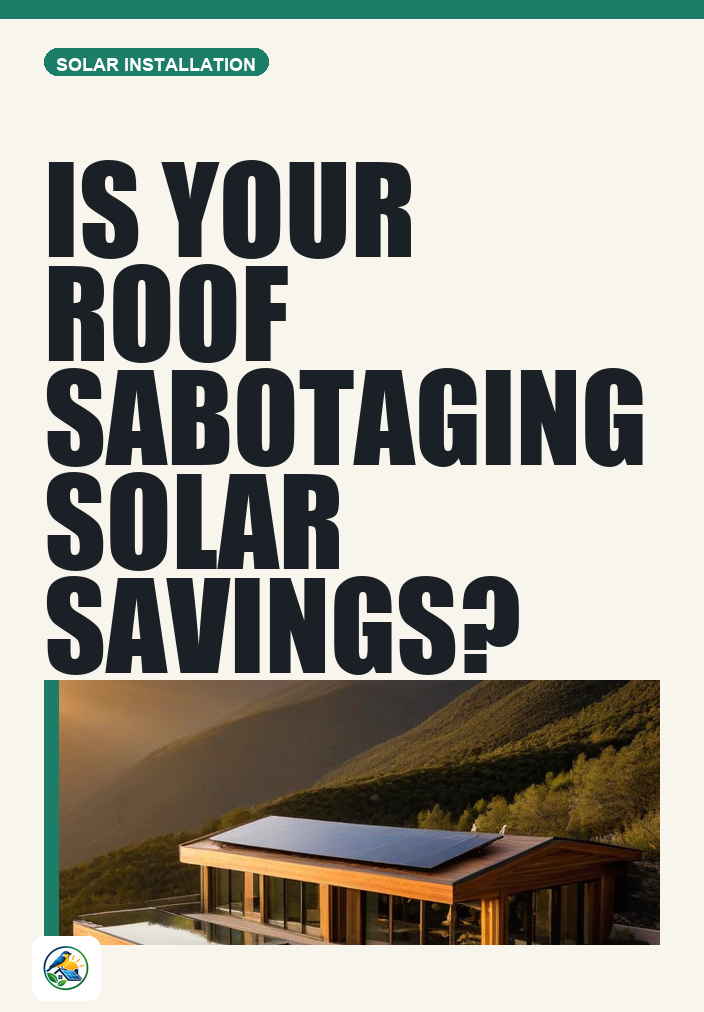
Understanding How Shade Affects Your Solar Panel Costs and Efficiency
As a homeowner considering a solar panel installation, one of the most critical factors to assess is the impact of shade on your solar energy system. Shade can significantly affect both the efficiency of your solar panels and the overall costs associated with installation and energy production. In this article, we’ll explore how shade interacts with solar technology, what options you have, and the trade-offs to consider when planning your solar project.
How Shade Impacts Solar Panel Efficiency
Solar panels generate electricity by converting sunlight into electrical energy. When panels are shaded, their ability to produce energy diminishes. This can lead to lower energy output and, ultimately, reduced savings on your electricity bills. The degree of impact depends on several factors:
- Extent of Shade: The more shaded panels are, the lower their energy production. Even partial shading can significantly reduce output.
- Type of Shade: The source of shade matters. Trees, buildings, and other obstructions cast shade differently at various times of the day and seasons. Understanding these patterns will help you assess potential impacts.
- Panel Technology: Some solar panels are more tolerant to shading than others. For example, panels with microinverters or power optimizers can mitigate some shading effects by allowing each panel to operate independently.
Assessing Your Property’s Shade Situation
To evaluate how shade affects your potential solar installation, consider these steps:
- Perform a Shade Analysis: Use a solar pathfinder tool or mobile app to analyze your roof’s exposure to sunlight throughout the day and year. This analysis will help identify which areas of your roof receive consistent sunlight and which are affected by shade.
- Identify Sources of Shade: Look at trees, chimneys, buildings, or other structures that might obstruct sunlight. Remember that trees grow over time, possibly increasing shade where there was none before.
- Consider Seasonal Changes: Assess how seasonal changes affect shade. For instance, trees may be leafless in winter, allowing more sunlight, while summer foliage can cast substantial shade.
Strategies to Mitigate Shade Effects
If your analysis reveals significant shading issues, there are several strategies you can consider to mitigate its effects:
- Tree Trimming or Removal: If trees are the primary source of shade, consider trimming or even removing them. However, this can be a sensitive issue, especially if the trees are part of your landscaping.
- Panel Placement: Work with your installer to strategically place solar panels in areas with the least amount of shade. Sometimes, this may mean utilizing a different part of your roof or even a ground-mounted system.
- Advanced Technology: Opt for systems that include microinverters or power optimizers. These technologies can help minimize the impact of shading on overall system performance.
Cost Considerations Related to Shade
Understanding how shade affects your solar panel efficiency is crucial for estimating costs. Here’s how shade can influence your financial decisions:
- System Size: If shade significantly reduces the efficiency of your panels, you may need to invest in a larger system to meet your energy needs. Larger systems generally increase upfront costs.
- Technology Choices: Investing in more advanced technologies (like microinverters) can lead to higher initial costs but may pay off in performance and efficiency, especially if your roof is prone to shading.
- Long-Term Savings: While shaded panels produce less energy, the savings from a solar installation can still be significant. However, it’s essential to evaluate if the reduced output justifies the costs involved.
Professional Assessment and Installation Quotes
Given the complexities involved in assessing shade effects on solar panel efficiency and costs, it’s wise to consult a professional installer. A qualified installer can provide a comprehensive site evaluation, taking into account your specific roof conditions, shading patterns, and energy needs. They can offer tailored solutions that meet your requirements and help you understand the costs involved.
Next Steps for Homeowners
As you consider solar for your home, here are practical steps to take:
- Conduct a thorough shade analysis of your property.
- Consult multiple qualified solar installers for detailed quotes that include shade considerations.
- Compare itemized quotes to understand the costs associated with different technologies and installation strategies.
- Verify current incentives, net-metering rules, and local utility policies that may affect your decision.
By carefully evaluating how shade affects your solar panel costs and efficiency, you can make a more informed decision on whether solar energy is right for your home. Remember that every property is unique, and professional guidance is crucial in navigating the complexities of solar installation.


















