
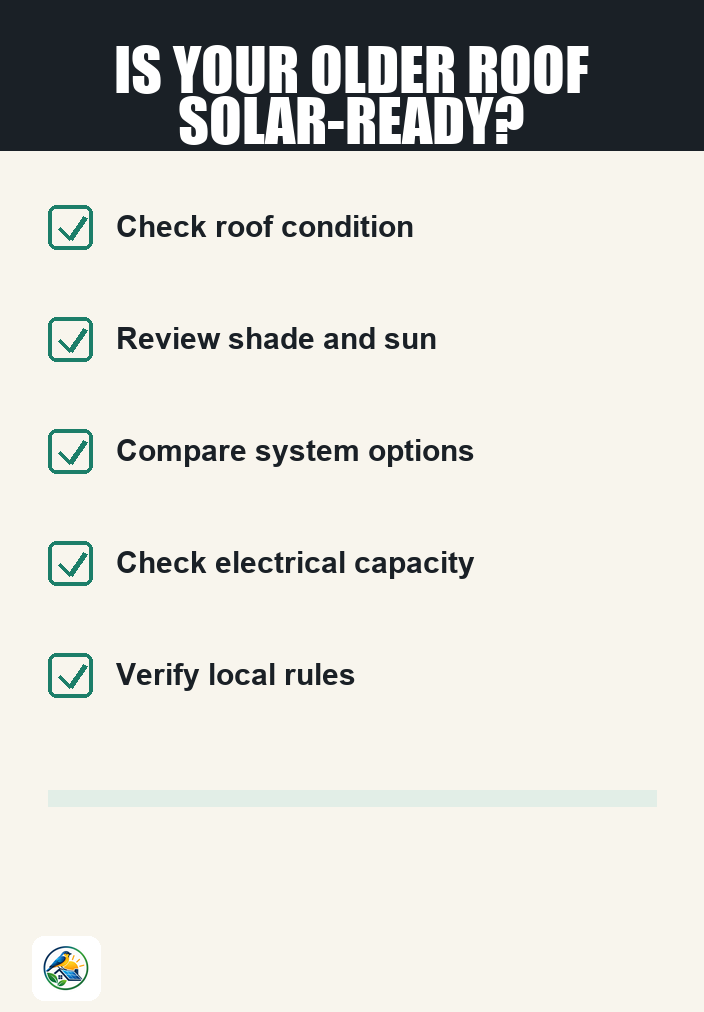
The Basics of Installing Solar Panels on an Older Roof
When considering solar panels for your home, an older roof can present both challenges and opportunities. Homeowners often overlook the condition of their roof, assuming that solar installation is straightforward. However, the truth is that several factors related to an older roof can significantly impact the feasibility and effectiveness of a solar installation.
Understanding Your Roof’s Condition
Before diving into solar installation, it’s essential to assess the condition of your roof. Here are some key considerations:
- Age: Most roofs are designed to last about 20 to 30 years. If your roof is nearing or past this age, it may need repairs or replacement before solar panels can be installed.
- Material: Different roofing materials (asphalt shingles, metal, tile, etc.) have varying lifespans and are suitable for different types of solar panel systems.
- Structural Integrity: Inspect for any signs of sagging, leaks, or water damage. A compromised roof structure may not safely support the weight of solar panels.
- Previous Repairs: If your roof has had numerous repairs, it may be worth considering a full replacement to ensure a solid foundation for your solar system.
Evaluating Roof Orientation and Shade
The orientation of your roof and the presence of shade can significantly affect solar panel performance. Here’s how to evaluate these factors:
- Orientation: South-facing roofs generally receive the most sunlight, making them ideal for solar panels. East and west-facing roofs can also work, but may produce slightly less energy.
- Shade Analysis: Trees, buildings, or other structures can cast shadows on your roof, reducing solar efficiency. A professional installer can help analyze shade levels throughout the day and year.
Trade-offs: Repairing vs. Replacing Your Roof
When considering solar panels on an older roof, you may face a critical decision: Should you repair or replace your roof?
Repairing Your Roof
If your roof is generally in good shape but has a few issues, repairing it may be the most cost-effective option. Some advantages include:
- Lower upfront costs compared to a full roof replacement.
- The ability to install solar panels sooner.
However, repairs might only be a temporary fix, and you could encounter issues later if the roof is nearing the end of its lifespan.
Replacing Your Roof
Opting for a roof replacement can involve higher initial costs, but it may provide long-term benefits:
- New roofs can last for several decades, providing a solid foundation for solar panels.
- Modern roofing materials are often more efficient and durable.
- A new roof can enhance your home’s overall energy efficiency, potentially reducing your energy bills before even installing solar panels.
Permits and Local Regulations
Before installing solar panels, familiarize yourself with local building codes and regulations. Here are some common aspects to consider:
- Permit Requirements: Most areas require permits for solar installations. Check with your local government for specific guidelines.
- Homeowner Associations: If you live in a community governed by a homeowner association (HOA), review their rules regarding solar panel installations.
- Utility Regulations: Understand your utility provider’s policies on net metering and interconnection, as these can affect how your system operates and the savings you might expect.
Electrical System Considerations
Your home’s electrical system also plays a crucial role in the solar installation process. Here are a few points to consider:
- Upgrades Needed: An older electrical panel may need upgrading to handle the additional load from solar panels. This could add to your project’s overall cost.
- Wiring Condition: Ensure that the wiring throughout your home is in good condition. Old or damaged wiring may require replacement.
- Battery Backup Options: If you’re considering adding a home battery for energy storage, ensure your electrical system can accommodate it.
Cost Considerations and Financing Options
Costs for installing solar panels can vary widely based on several factors, including roof condition, system size, and local market conditions. Here’s a breakdown:
- Installation Costs: Typically include labor, equipment, and materials. An older roof may incur additional costs for repairs or upgrades.
- Financing Options: Explore various financing options such as solar loans, leases, or power purchase agreements (PPAs). Each option has different financial implications, so it’s essential to understand the terms.
- Incentives and Rebates: Research local, state, and federal incentives that may apply to your installation. These can change frequently, so verify current offerings.
Next Steps for Homeowners
Installing solar panels on an older roof can be a complex process, but it can also lead to long-term benefits if approached correctly. Here are practical next steps:
- Conduct a thorough inspection of your roof’s condition and seek a professional assessment.
- Evaluate whether to repair or replace your roof based on its age and condition.
- Research local regulations, permits, and utility policies that may affect your installation.
- Consult with qualified solar installers for detailed, itemized quotes that reflect your specific situation.
- Compare quotes and consider the long-term implications of each option, including financing and potential incentives.
By taking the time to assess your roof and explore your options, you can make an informed decision about whether installing solar panels is the right choice for your home.


















