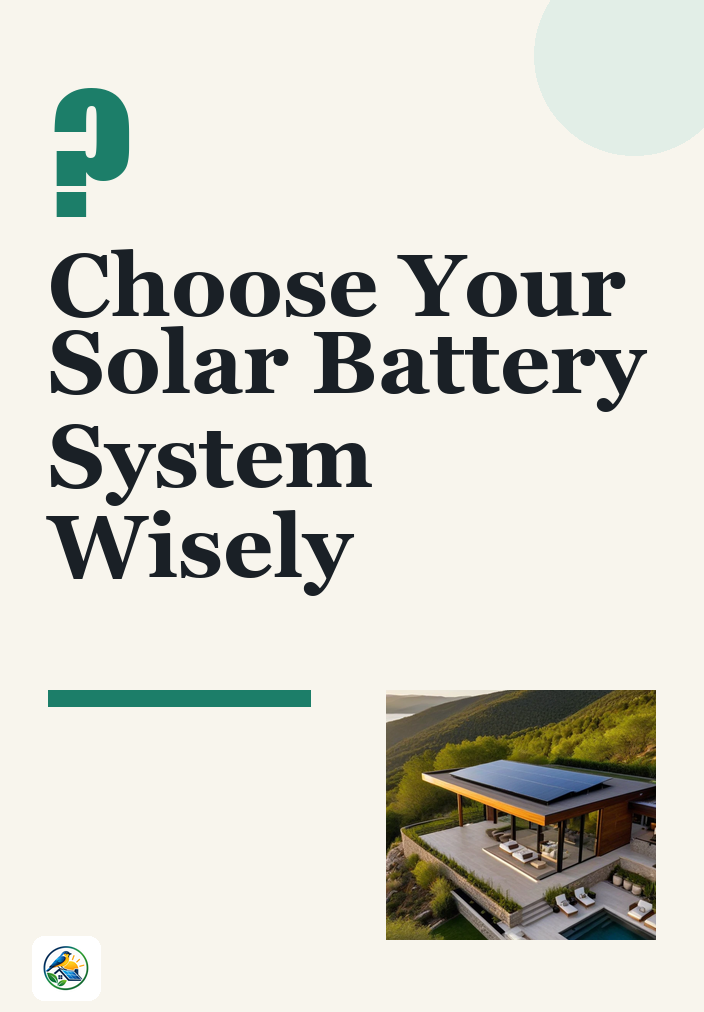
Understanding Cost Differences: Whole Home vs. Essential Load Backup for Solar Systems
As more homeowners consider integrating solar energy into their residences, understanding the cost differences between whole home backup systems and essential load backup systems is crucial. Each option has its own set of features, benefits, and trade-offs, impacting not only your initial investment but also your long-term energy strategy. In this article, we’ll break down both systems, helping you make an informed decision tailored to your home’s needs.
What Are Whole Home and Essential Load Backup Systems?
Before diving into costs, it’s essential to understand what each system entails. A whole home backup system allows your entire household to operate on energy stored in batteries during an outage, while an essential load backup system limits backup power to critical appliances and systems.
Whole Home Backup Systems
This system integrates with your solar panels and battery storage to power your entire home when the grid is down. It typically involves larger battery banks and more sophisticated equipment to manage the load efficiently.
Essential Load Backup Systems
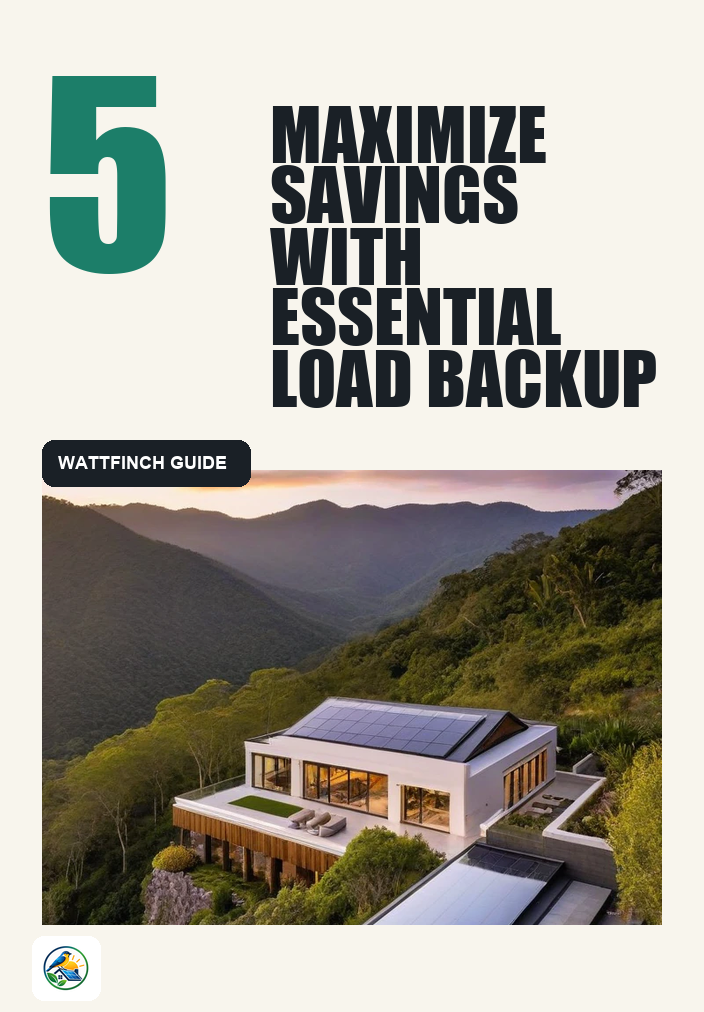
In contrast, this system is designed to keep only the crucial components of your home operational during an outage. This might include your refrigerator, heating or cooling systems, and essential lights. The goal is to minimize costs while still providing necessary power during emergencies.
Cost Considerations
When comparing these two systems, the cost can vary significantly based on several factors. Here are some critical elements to take into account:
- System Size: Whole home systems require more batteries and generally more powerful inverters, resulting in higher upfront costs. Essential load systems are smaller and often more affordable.
- Installation Complexity: A whole home backup may require more complex installation, especially if significant electrical upgrades are needed. This can increase labor costs.
- Battery Type: The type of batteries used can also affect costs. Lithium-ion batteries, commonly used for both systems, tend to be more expensive than lead-acid batteries but offer better performance and longevity.
- Inverter Costs: Whole home systems often require higher-capacity inverters to handle the larger load, which can add to the overall expense.
- Permitting and Interconnection Fees: The costs for permits and connecting your system to the grid can vary based on local regulations, impacting both system types.
Trade-offs Between Whole Home and Essential Load Backup
Choosing between a whole home and an essential load backup system involves weighing your priorities against the costs. Here are some common trade-offs:
- Power Availability: Whole home systems provide the comfort of having all appliances powered during an outage, which is vital for families relying on numerous devices. Essential load systems, while more economical, limit power availability and may require careful planning to prioritize which devices to connect.
- Cost Efficiency: Essential load systems are often more budget-friendly, making them an excellent choice for homeowners who want to dip their toes into solar backup without a significant financial commitment.
- Future Expansion: If you anticipate needing more power in the future, investing in a whole home system could be beneficial. Essential load systems may require upgrades and additional investments later on as your energy needs change.
- Maintenance and Lifespan: Both systems require maintenance, but a whole home backup system’s complexity may lead to higher long-term maintenance costs. Essential load systems can be simpler to keep running efficiently.
Sizing Your Backup System
Determining the right size for either a whole home or essential load backup system is crucial. Here are some steps to guide you through the sizing process:
- Assess Your Energy Needs: Start by evaluating your average energy consumption. Determine which appliances and systems you want to power during an outage.
- Calculate Peak Load: Identify the maximum power your essential appliances require simultaneously. This will help in choosing the right inverter and battery size.
- Consider Battery Capacity: The capacity of your batteries will dictate how long you can run your essential loads. Calculate how many kilowatt-hours (kWh) are needed to sustain your essential loads during typical outages.
- Consult Professionals: Once you have a rough idea, it’s beneficial to consult with a professional installer. They can provide insights tailored to your home and local conditions.
When to Consult a Professional Installer
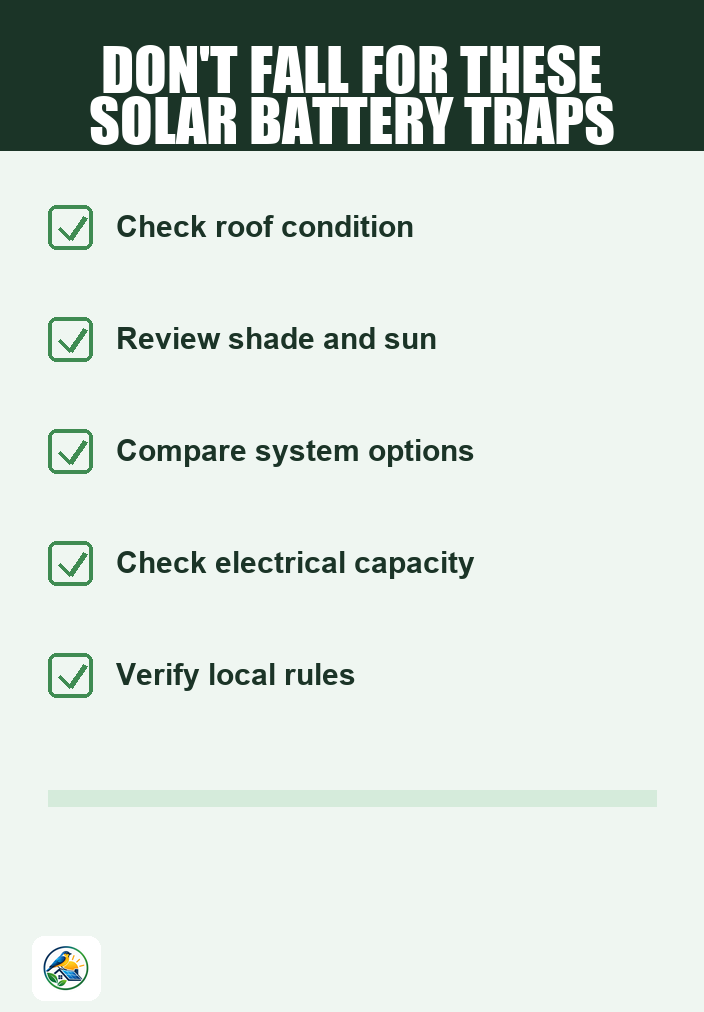
Getting quotes from qualified installers is an essential step in your solar journey. A professional can provide you with itemized estimates that reflect your unique situation and assist you in navigating the complexities of local regulations, utility policies, and available incentives.
When obtaining quotes, consider asking questions such as:
- What are the differences in installation costs for whole home versus essential load systems?
- What maintenance will be required for each type, and what are the associated costs?
- Are there any local incentives or rebates available for either system?
- What warranty options are available for the batteries and inverters?
Practical Next Steps
Ultimately, the decision between a whole home backup system and an essential load backup system depends on your personal preferences, budget, and energy needs. Carefully consider the costs, trade-offs, and your home’s unique requirements.
Start by gathering and comparing itemized quotes from qualified installers in your area. This will allow you to see the full picture, including the financial implications of each option. Remember to verify current local utility, government, and installer information before making your decision.
Investing in a solar system is a significant commitment, and understanding your options is key to ensuring that your choice aligns with your lifestyle and energy goals.