
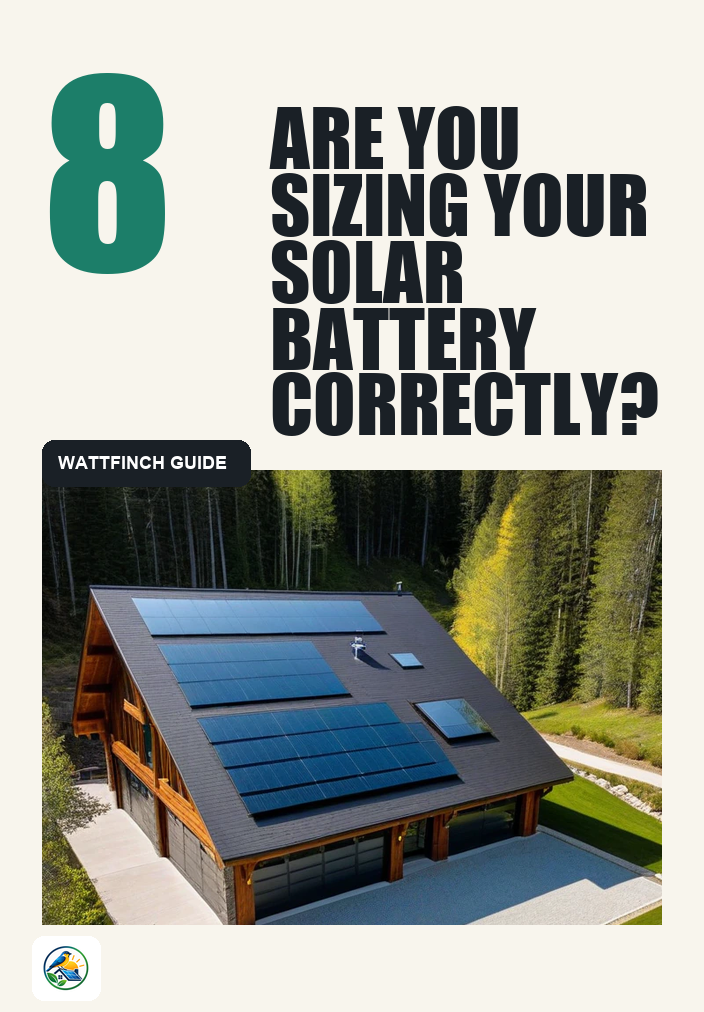
Understanding Cost Factors for Effective Solar Battery System Sizing
As more homeowners consider integrating solar energy into their residences, the importance of understanding the cost factors associated with solar battery system sizing becomes paramount. Properly sizing a solar battery system can optimize energy usage, enhance energy independence, and potentially save on electricity costs. However, the decision-making process involves various considerations that can significantly affect the overall investment.
Key Factors Influencing Solar Battery System Costs
When evaluating the costs of a solar battery system, homeowners should consider several key factors, including energy needs, battery capacity, installation costs, and ongoing maintenance. Each of these elements contributes to the overall financial picture and plays a crucial role in making an informed decision.
1. Energy Needs Assessment
Understanding your household’s energy consumption is the first step in sizing a solar battery system. You need to evaluate how much energy you use on a daily basis. This is typically measured in kilowatt-hours (kWh). To get a clear picture, consider the following:
- Monthly Utility Bills: Review your past utility bills to determine your average energy consumption.
- Peak Usage: Identify peak usage times—when your household consumes the most energy. This can help you decide how much battery storage you need.
- Future Needs: Consider any future changes that might affect your energy consumption, such as adding electric vehicles or home appliances.
2. Battery Capacity and Type
The capacity of the solar battery is another significant cost factor. Battery capacity is measured in kilowatt-hours (kWh) and indicates how much energy the battery can store. Homeowners have several battery types to choose from, including lithium-ion and lead-acid batteries, each with different price points, life spans, and maintenance needs.
When selecting a battery, consider:
- Daily Cycle Needs: How often will you discharge the battery? If you plan to use the battery daily, a higher capacity may be necessary.
- Depth of Discharge (DoD): Different batteries allow for varying levels of discharge before needing to be recharged. Lithium-ion batteries typically allow for a deeper discharge compared to lead-acid.
- Life Span: Evaluate the expected lifespan of the battery, often measured in charge cycles. A longer-lasting battery may justify a higher initial investment.
3. Installation Costs
The installation process can significantly impact the total cost of a solar battery system. Costs can vary based on the following:
- Location: Installation costs differ based on geographical location due to labor costs and permitting requirements.
- System Complexity: More complex installations, such as those requiring electrical upgrades or additional equipment, will increase costs.
- Installer Experience: Hiring a qualified installer may come at a premium, but it can ensure proper setup and compliance with local codes.
4. Incentives and Financing Options
While costs can be daunting, various state and federal incentives can help offset the initial investment. However, these incentives can vary widely by location and change over time, so it’s crucial to verify current offerings. Financing options, such as solar loans or leases, can also influence your overall expenses. Keep these points in mind:
- Tax Credits: Research available tax credits and incentives, but consult local authorities or financial advisors for the most current information.
- Financing Terms: Understand the terms of any financing options, including interest rates and repayment schedules, to evaluate long-term costs.
5. Maintenance and Warranty Considerations
Maintenance is a crucial aspect of owning a solar battery system. Although batteries generally require less maintenance than traditional generators, there are still considerations:
- Regular Checks: Regularly monitor battery health and performance to ensure longevity.
- Warranty Options: Review warranty terms and conditions, as they can affect replacement costs down the line.
Comparing Grid-Tied, Battery Backup, and Off-Grid Systems
Understanding the distinctions between different solar systems is essential for homeowners considering battery storage. The three primary system types are grid-tied, battery backup, and off-grid systems:
- Grid-Tied Systems: These systems are connected to the utility grid and typically do not require battery storage. They allow homeowners to draw power from the grid when solar production is low and sell excess energy back to the grid.
- Battery Backup Systems: A battery backup system provides a safety net against power outages. It stores energy generated by your solar panels for use when the grid is down. This requires careful sizing to meet your backup needs.
- Off-Grid Systems: Off-grid systems operate independently of the utility grid and rely on batteries for energy storage. These systems require significant planning to ensure adequate battery capacity for all household energy needs.
Making the Decision: Getting Professional Quotes
With numerous factors influencing the cost and effectiveness of a solar battery system, obtaining professional quotes is a prudent step. Qualified installers can provide tailored advice based on your specific needs and home characteristics. When comparing quotes, look for:
- Itemized Costs: Ensure the quote breaks down costs for equipment, installation, and any additional fees.
- Battery Sizing Recommendations: Review the proposed battery size and capacity recommendations based on your energy needs.
- Incentives and Financing Options: Ask about available incentives and financing methods to help reduce costs.
Practical Next Steps
As you navigate the world of solar battery systems, take the time to assess your energy needs, explore available battery options, and gather quotes from qualified installers. Comparing itemized quotes will help you understand the potential costs and benefits, enabling you to make a well-informed decision about whether solar energy is the right choice for your home.


















